Wedding cake stands run from a plain acrylic cylinder to a hand-turned walnut pedestal heavy enough to ignore a bumped table, and the right choice depends on whether you are buying to keep or renting once and handing back.
A thin acrylic wall needs extra support from your baker sooner than you would think; a solid metal frame tolerates breakdown after breakdown where acrylic clouds.
The rustic wooden barrel stand gives barn venues their look without any engineering, while an ornate silver pedestal reads heirloom even when the family name is not yours.
1. Tier Wedding Cake Stand
A tier wedding cake stand gives you separate levels for display without the engineering of a single stacked piece.
Most couples I see use these when they want the height without the risk, or when each tier is actually its own cake for easier serving.
The wooden platform builds from Ana White’s plans with a wide base and smaller top, though metal rod versions hold steadier under real cake weight. Dark stain hides scuffs from transport; light shows every fingerprint.
If you are ordering from a baker who delivers assembled, ask whether their stand matches what you are picturing. Mine arrived once with hardware I did not expect and no time to swap.
2. Tall Tiered Stands
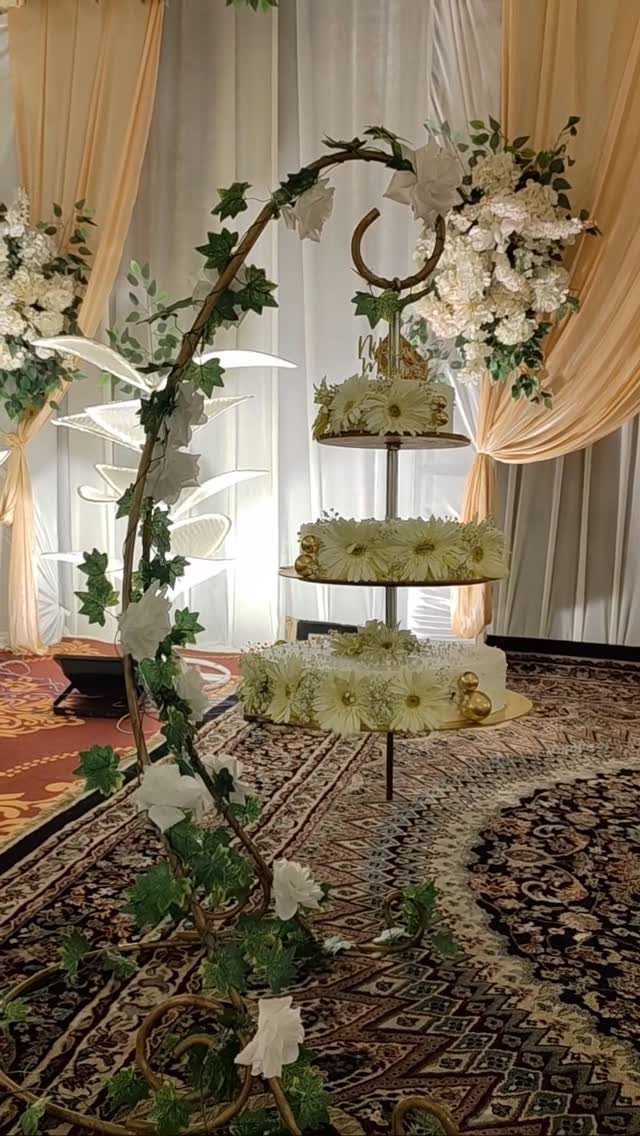
Tall tiered stands need checking before any cake touches them. The central rod or frame runs through stacked plates, largest at the base, each secured with collars or screws before the next goes on.
Tighten every fitting so no gap shows between plate and hardware.
Set it on a solid table, not a folding one, and sight from several angles to confirm the rod sits vertical. Press each tier edge gently; wobble means re-tightening or moving to a flatter surface.
For a heavy wedding cake, solid metal frames or thick acrylic columns handle the load better than lightweight plastic towers meant for cupcakes. When in doubt, keep the main cake lower and reserve height for lighter desserts.
3. Rustic Wooden Cake Stand
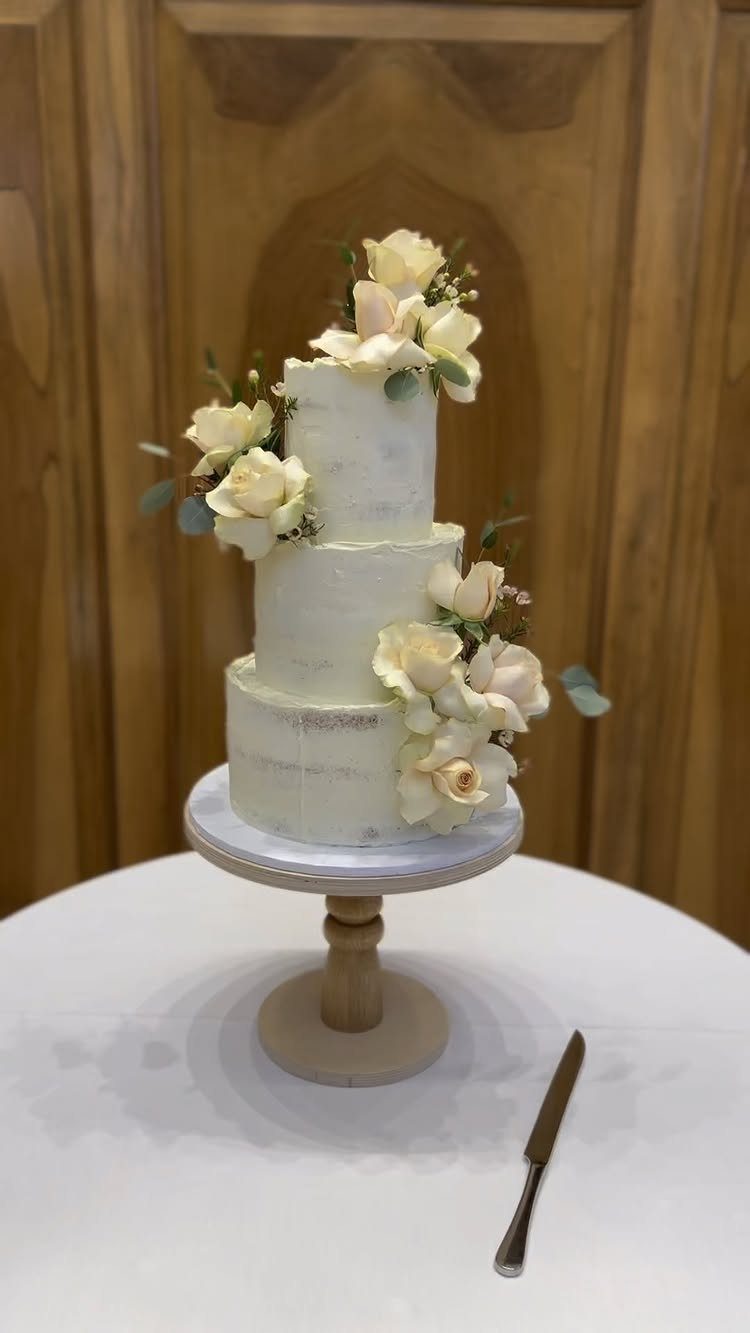
Natural wood grain warms up a reception in a way white ceramic never quite manages. Turned pedestals with bark edges or layered slices fit the farmhouse thread running through Gainesville barn venues right now.
The set I keep coming back to uses solid walnut with a flared base, heavy enough that bumping the table barely registers. Engraved bases work for initials or a date; layered slices let you vary height across dessert tables.
Stain choice matters more than couples expect. Dark walnut photographs richer but shows dust.
Light oak reads casual, which suits semi-naked cakes with eucalyptus. Seal the surface if you are setting a cake directly on wood, not on its own board.
4. Clear Acrylic Cake Stand
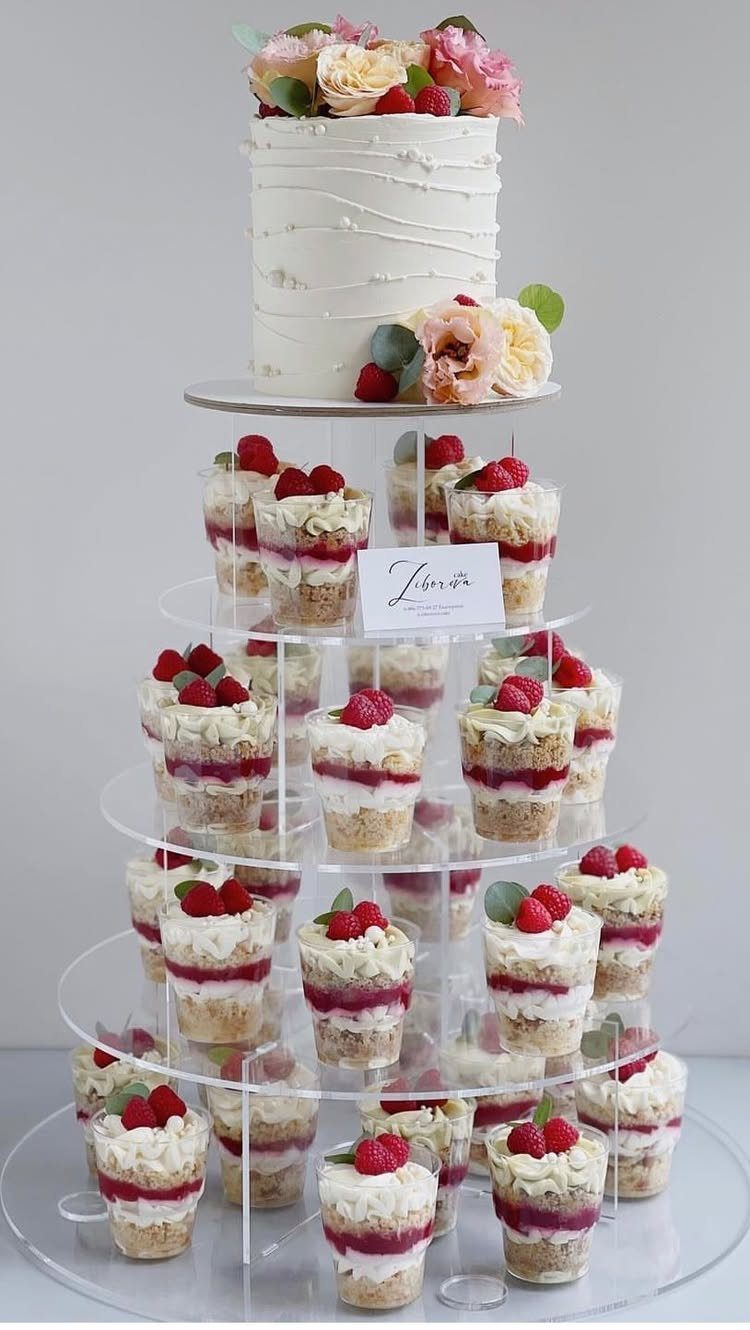
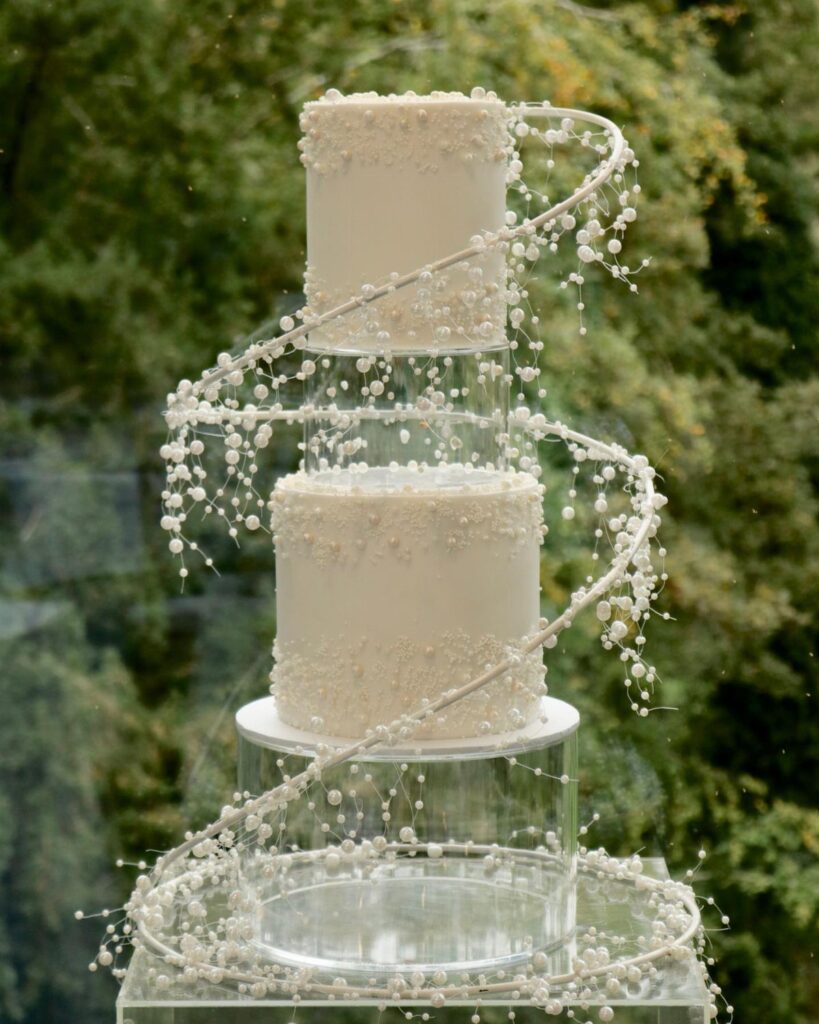
Clear acrylic disappears underneath a cake in a way that lets the dessert itself do the visual work.
The cylindrical versions with hollow bottoms even let you fill the column, flowers or fairy lights, though that adds a step most timelines do not need.
The floating effect works best when the stand is genuinely clean, which means handling with gloves during setup and keeping it away from the kitchen until the last minute. Scratches show at angles the photographer will find.
Thickness varies.
The 3mm walls on standard display pieces hold up to 20 pounds; a heavy fondant tier needs you to ask your baker about added support rods. For multi-cake displays, mixing cylinder heights keeps the table from looking too matched.
5. Metal Cake Stand
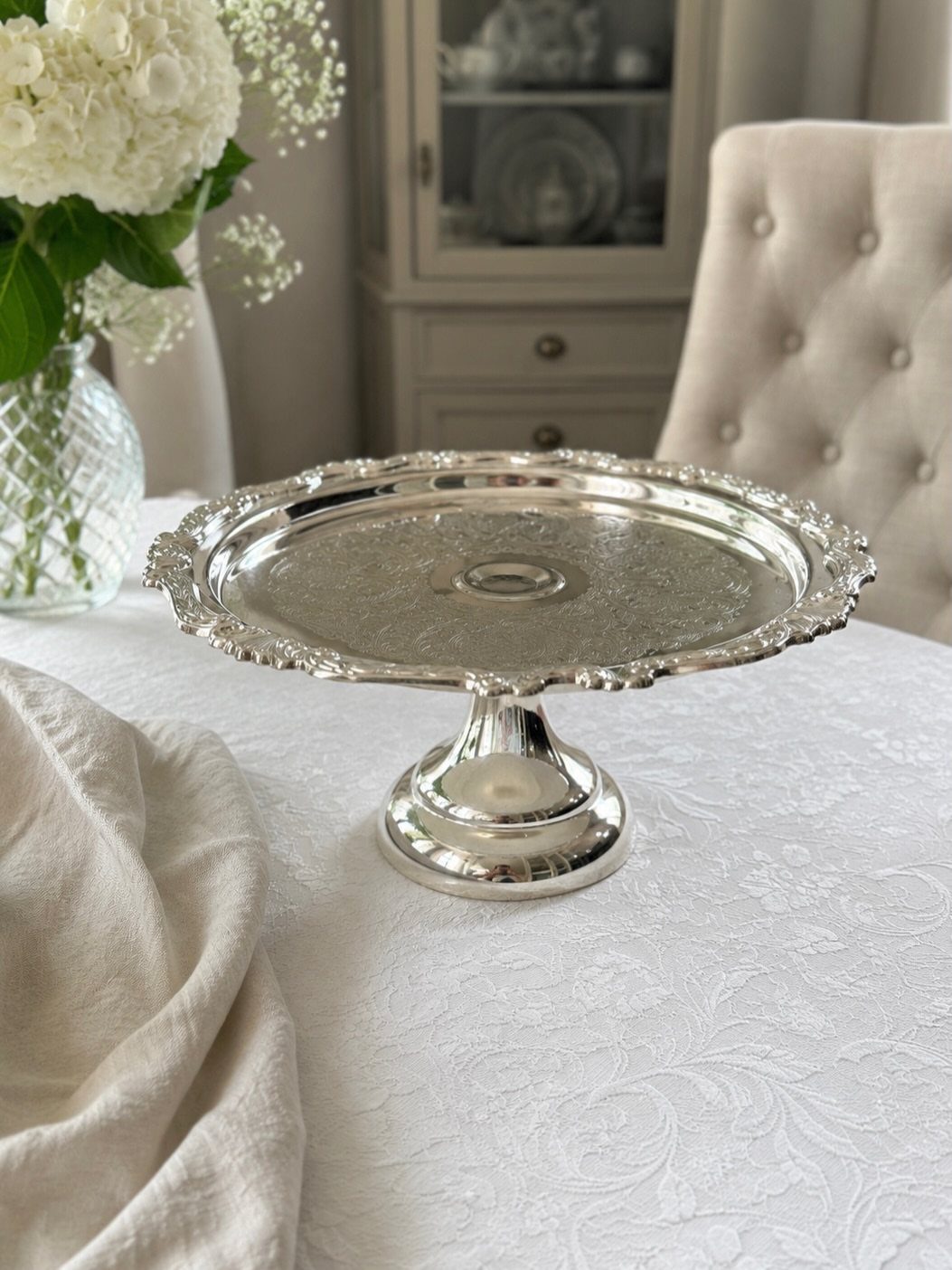
Silver metal with scalloped edges belongs to formal settings in a way nothing else quite replicates. The weight alone signals permanence; these are pieces you borrow from a rental company or buy once and use for anniversary dinners afterward.
Branching gold stems or mirrored tops with crystal rims run toward statement territory. A mirrored surface reflects candlelight beautifully and also shows every water spot from the kitchen, so timing the placement matters.
Metal tolerates repeated breakdown and setup better than acrylic, which clouds over years.
If you are buying for one wedding, consider whether the rental fee beats storage. If you are buying for a rental business, weight and finish durability matter more than the upfront price.
6. Crystal Rhinestone Cake Stand
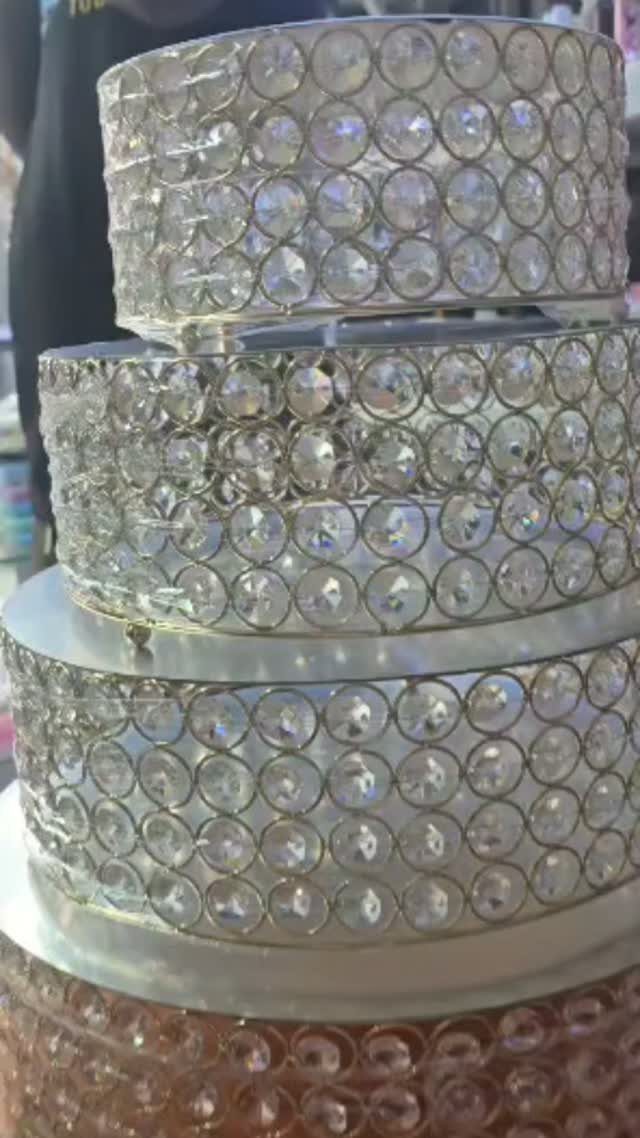
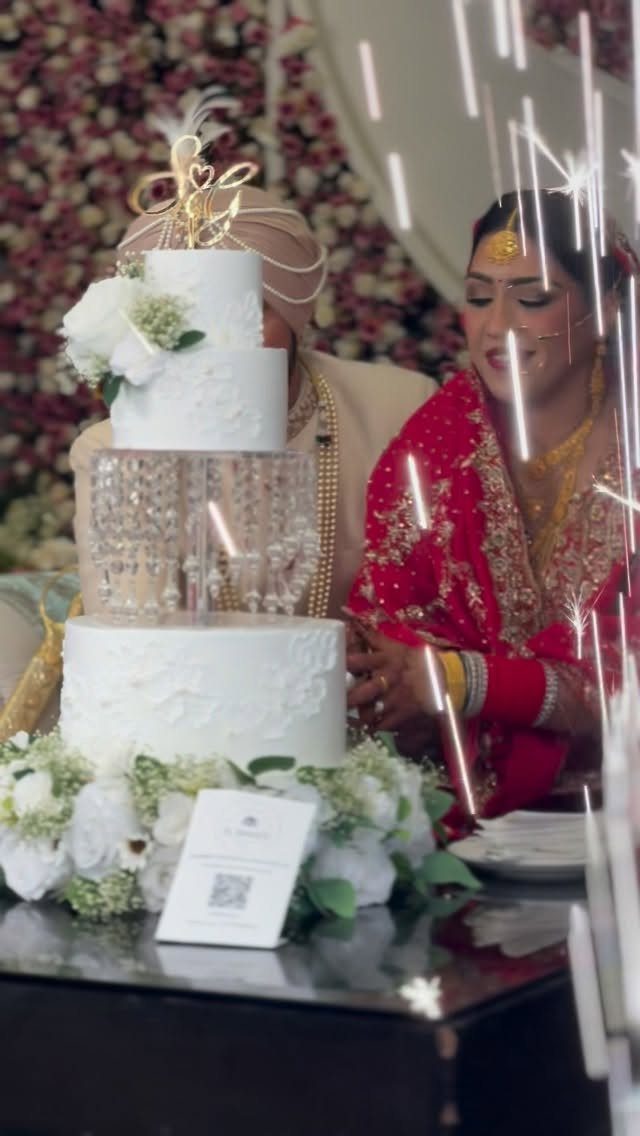
Crystal rhinestone trim catches light differently than scattered glitter, more chandelier than craft project. The faceted beads set in silver wire frames read formal, almost bridal-show specific, which limits where they do not overwhelm.
These pieces photograph well but need handling with the same care as actual crystal. Transport in original padding; one chipped stone draws the eye more than a missing petal ever would.
Reserve rhinestone stands for the cake table only, swapping to plainer stands for the dessert spread, which keeps the rhinestone piece special rather than tiring.
The mirrored tops pair with the crystal trim to double the sparkle, though that same reflection means checking your angle before the photographer commits.
7. Rustic Wooden Barrel Stand
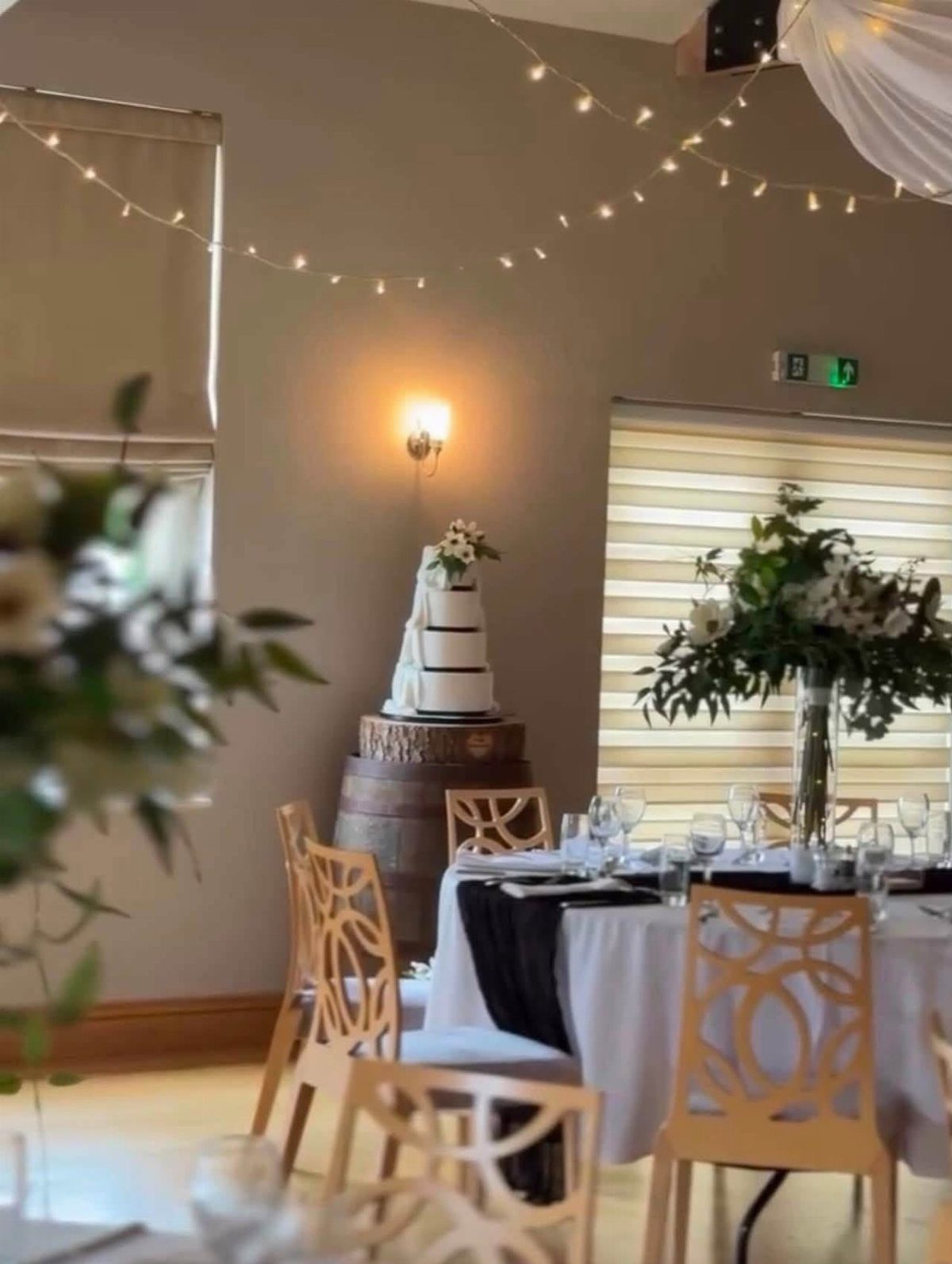
A whole barrel standing upright on its end gives a cake table instant barn-venue credibility without any building.
The curved back frames a tiered cake from behind while the flat cut surface holds the stand itself, so you are not balancing pastry on slats.
The best setup uses a separate wooden round, 15 inches or wider, set on the barrel’s flat plane so the cake never touches the stain or any gap between staves.
Bark-edged slices on pedestals at varying heights fill the barrel top for cupcakes, though that needs a 4-tier set to look deliberate rather than piled.
Weight is the real limit.
A solid barrel runs heavy empty; add a full cake and plan the move with enough hands. Check the venue’s floor, too, old barrels shed rings that mark polished surfaces.
8. Ornate Silver Pedestal Stand
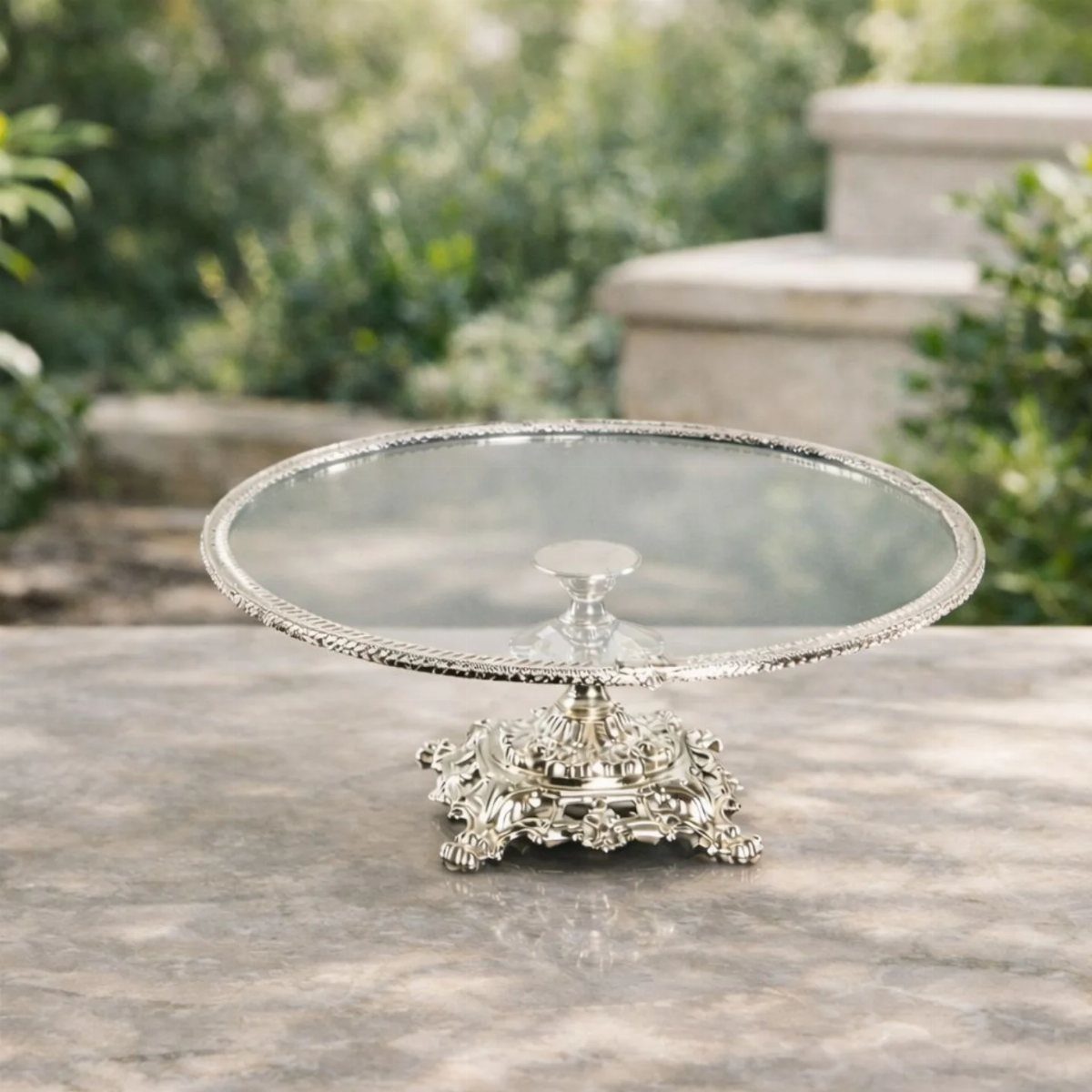
Ornate silver pedestals with embossed floral tops read heirloom even when they are not, which suits couples borrowing from family or rental collections where the piece has to carry the display alone.
The 22-inch round embossed version gives a full-tier cake breathing room without dwarfing it.
Glass tops with silver bead rims need the same care as any mirror: water spots show from across the room, so unbox after the kitchen work is done.
Outdoor wind is a genuine risk; the moon-shaped chandelier styles with hanging crystals look dramatic in still air and become pendulums in a breeze.
For a single investment piece, matte silver hides wear better than high polish. Choosing this over simpler metal stands trades storage space and formality: this one needs its own box and a table that can handle the visual weight.
Frequently Asked Questions
What can I use instead of a cake stand for my wedding?
Decorative boxes or other creative risers work in place of a formal stand.
A wooden barrel on its side reads rustic without needing a whole barn, and wooden rounds on top keep the cake clear of stains or gaps between slats.
For a simpler route, stacked wooden platforms or layered slices at varying heights fill a dessert table without one central pedestal.
Do wedding cakes need a cake stand?
A stand is not mandatory, but it changes how guests see the dessert.
Height lifts a cake off the table plane so it reads as centerpiece rather than another plate on the spread, and the right material signals the tone: rustic wood for farmhouse threads, silver for formal settings.
Without one, the cake competes with every other dish at eye level.
How big does a wedding cake stand need to be?
The plate needs to match or beat the cake board in size; a little extra width leaves space for frosting detail and a few blooms.
Pedestal stands around 5-7 inches tall look balanced with a typical wedding cake on a standard table.
What is the easiest DIY cake stand?
Wide-base, smaller-top wooden platforms need only basic tools and a dark stain that covers the dings from hauling them to the venue.
Metal rod builds carry weight better if you can track down the right hardware. Acrylic cylinders with hollow centers skip the building stage entirely, though fingerprints and scratches catch light from angles a photographer will use, so gloves help.