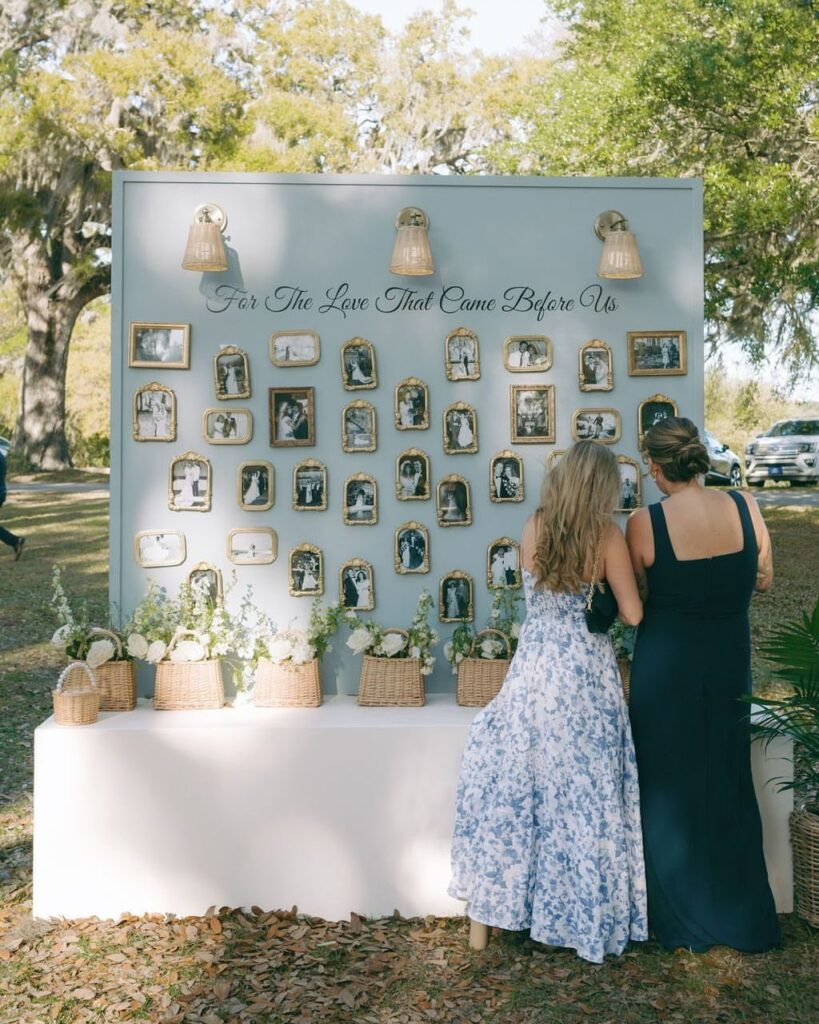
These ideas run from a choreographed living-room dance you can learn from free online tutorials to a firework display that costs more if launched over water, and the one that fits your wedding is the one whose limits match your budget and your venue’s actual rules.
A cold sparkler at the first dance gives a similar photograph for less money.
1. Photo Booth
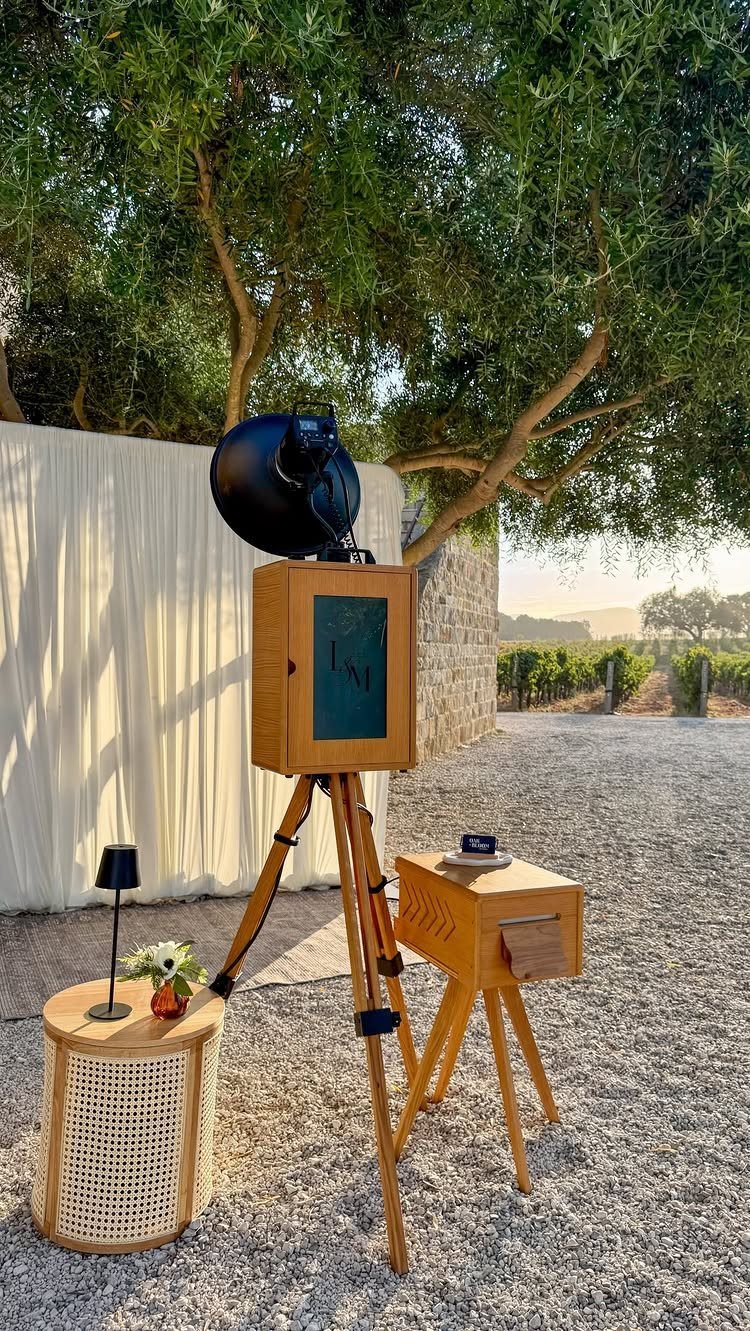
A photo booth gives guests something to do between the ceremony and the dancing, and they leave with a strip of prints in their pocket.
Most setups now include a screen for previewing shots and instant printers that drop photos in under a minute.
Props matter more than the backdrop.
A box of oversized sunglasses, cardboard mustaches, and a few hand-lettered signs will get shy guests involved faster than any amount of open bar. Wooden tripod booths work beautifully at vineyard weddings where the scenery already does the heavy lifting.
Ask whether your rental includes an attendant to restock paper and troubleshoot the flash. Without one, the line stalls and guests drift away.
2. Nostalgic Photo Display
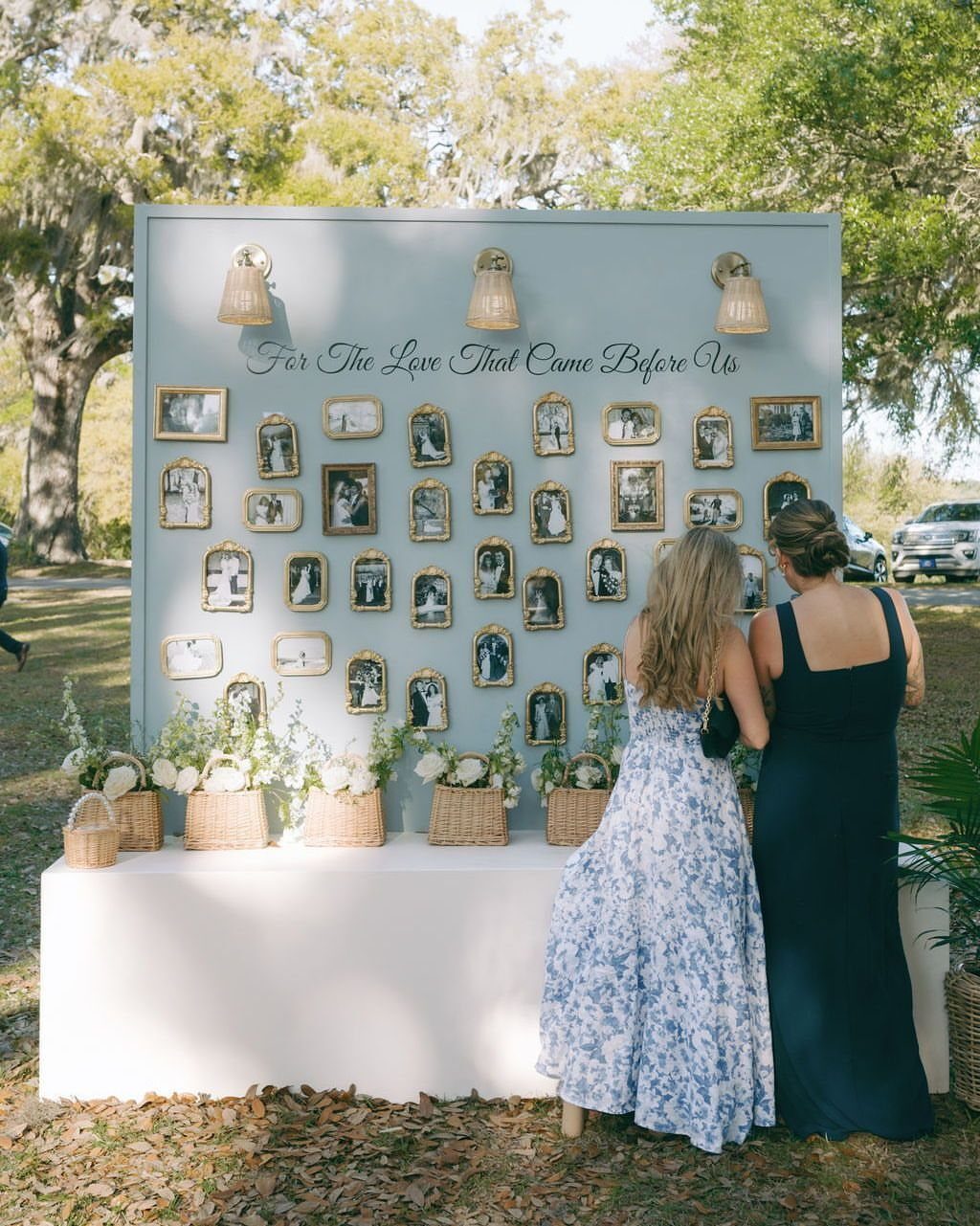
Family wedding photos framed in mismatched vintage frames turn a blank wall into something guests actually stop to look at. A line like "For The Love That Came Before Us" sets the tone without needing a speech.
I would pull from both families evenly, not just the couple with the most snapshots.
Grandparents’ courthouse weddings, parents’ perm phases, siblings’ engagement photos: the mix is what makes it feel honest rather than decorative. Framed pieces on guest tables work for indoor receptions; a corkboard or clothesline setup travels better for outdoor tents.
The time cost is real.
Gathering prints from relatives who still keep them in shoeboxes takes longer than ordering a banner online. Start well ahead, not at the last minute.
3. Live Band
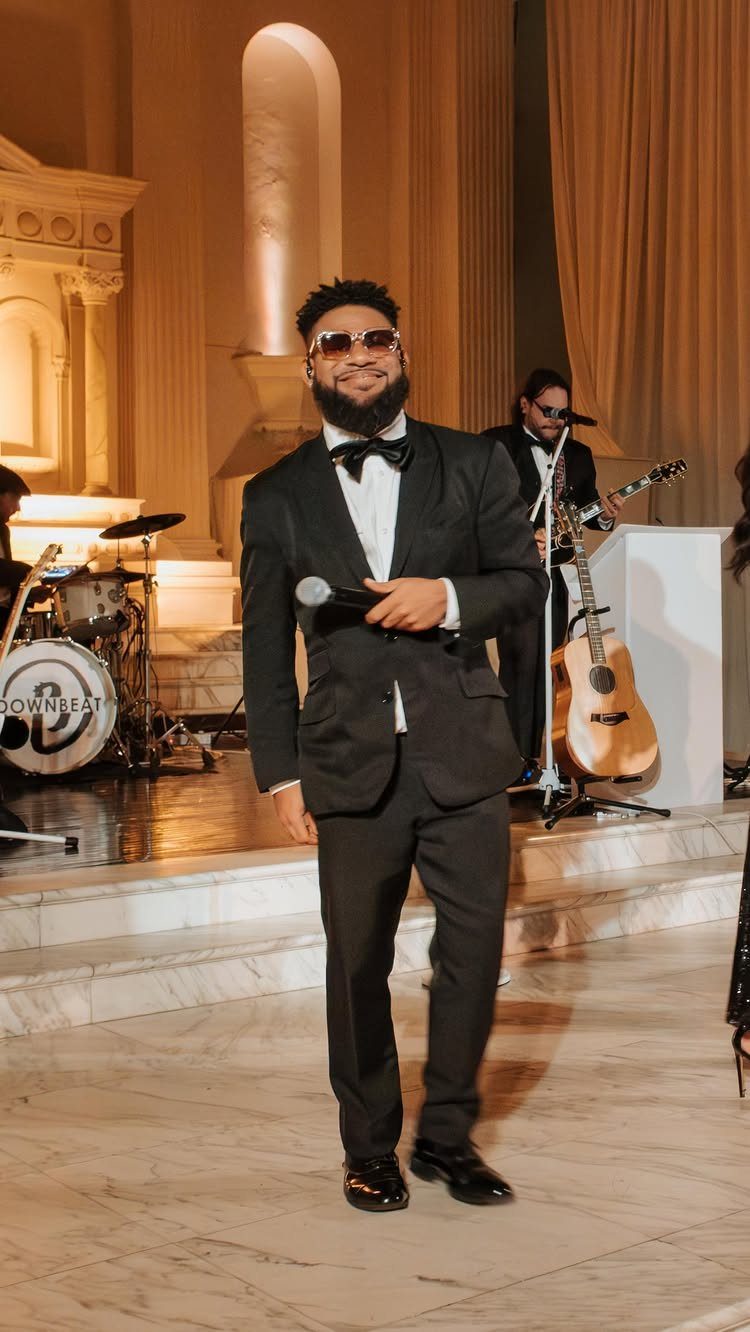
A live band changes how the room feels in a way a playlist cannot. The drummer locks eyes with the guitarist during your first dance, and guests notice.
The size of the group should match the room, not the dream.
A six-piece swing band needs a stage with proper power and space to breathe; a trio with a keyboard and cajon fits a restaurant reception with no setup drama.
Ask to hear them play a first dance before you book, not just their best-of reel. Some bands nail Motown and fall apart on a slow ballad.
Budget trade-off: live music runs higher than a DJ, and you lose the ability to request any song on demand. What you gain is a moment where everyone in the room turns toward the floor at once.
4. Circus Performer
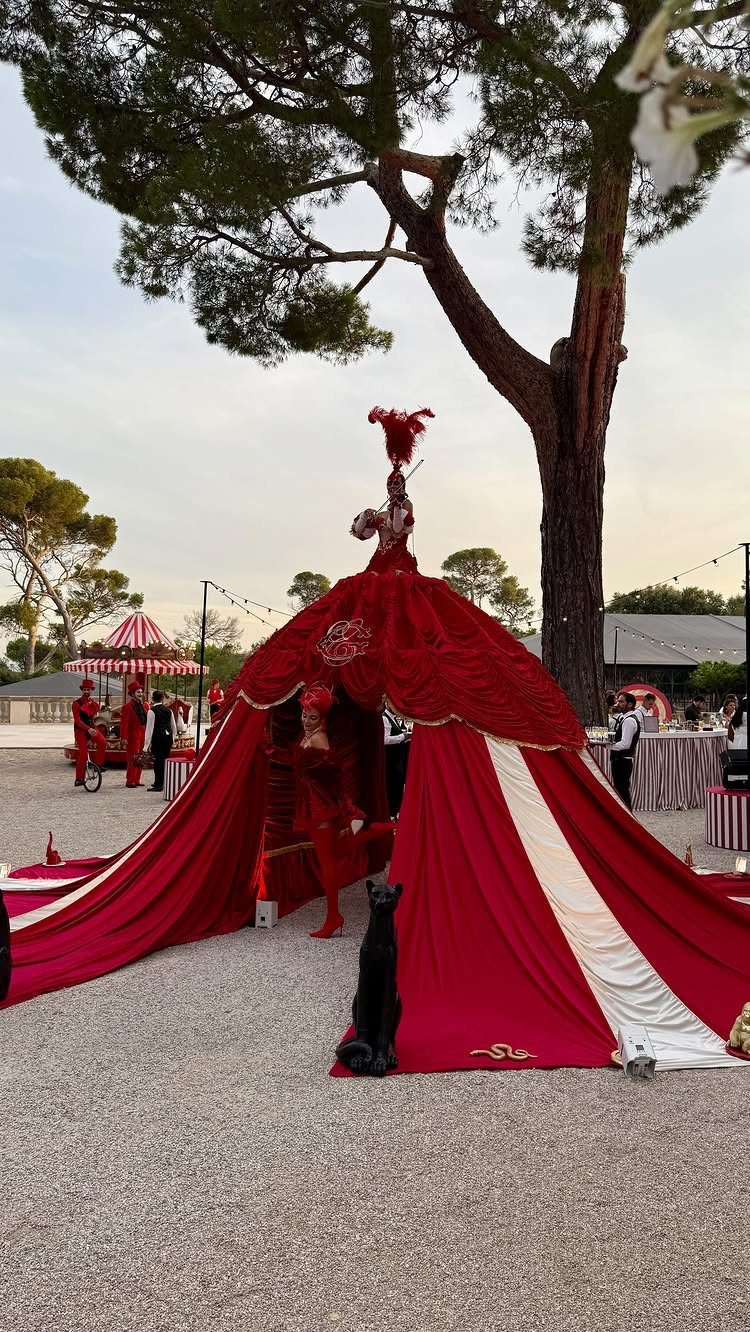
Circus performers work best as a surprise, not the main event. An aerialist or fire breather who arrives after dinner gives guests a reason to stay in their seats instead of slipping out early.
Check your venue contract before booking anything with open flame or rigging points. Outdoor tent rentals often forbid both, and a performer who needs to anchor to a tree branch will want to inspect the species and branch diameter beforehand.
Liability insurance is not a given in this world; ask for a certificate naming your event.
A mini carousel works as a prop, not a ride. If you want actual carnival attractions, that is a different vendor category with different permits.
5. Sweet Tables
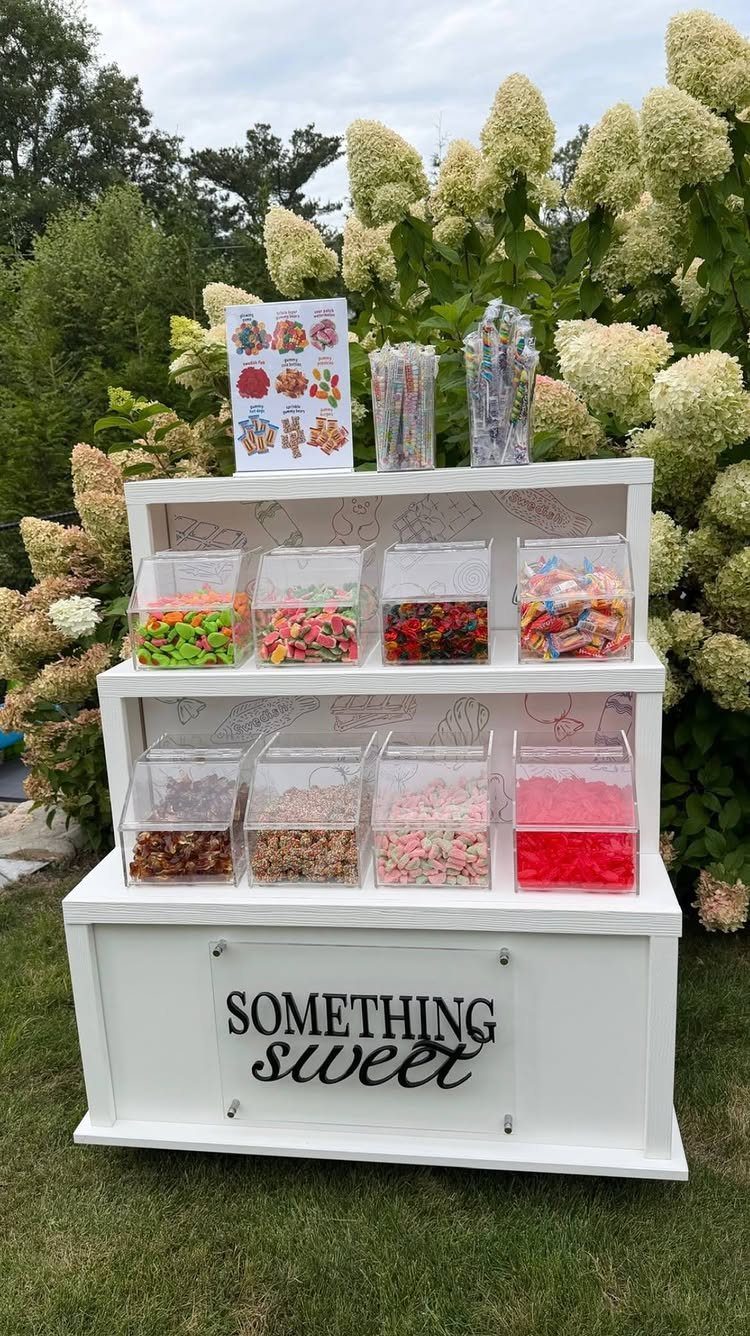
A sweet table doubles as decor and favors if you set it up right. Plain lettering that does not fight the flowers behind it keeps the focus on the treats.
Retro paper bags in your wedding color keep the line moving faster than tongs and individual wrappers.
Fill bins with candy that does not melt in June heat: wrapped caramels, hard candies, licorice whips. Chocolate fountains photograph well but attract bees outdoors and require a staff member to monitor temperature and replenish skewers.
The childhood-nostalgia angle lands better with guests who remember those candies from their own lunchboxes than with a younger crowd. Know your room.
6. Garden Games
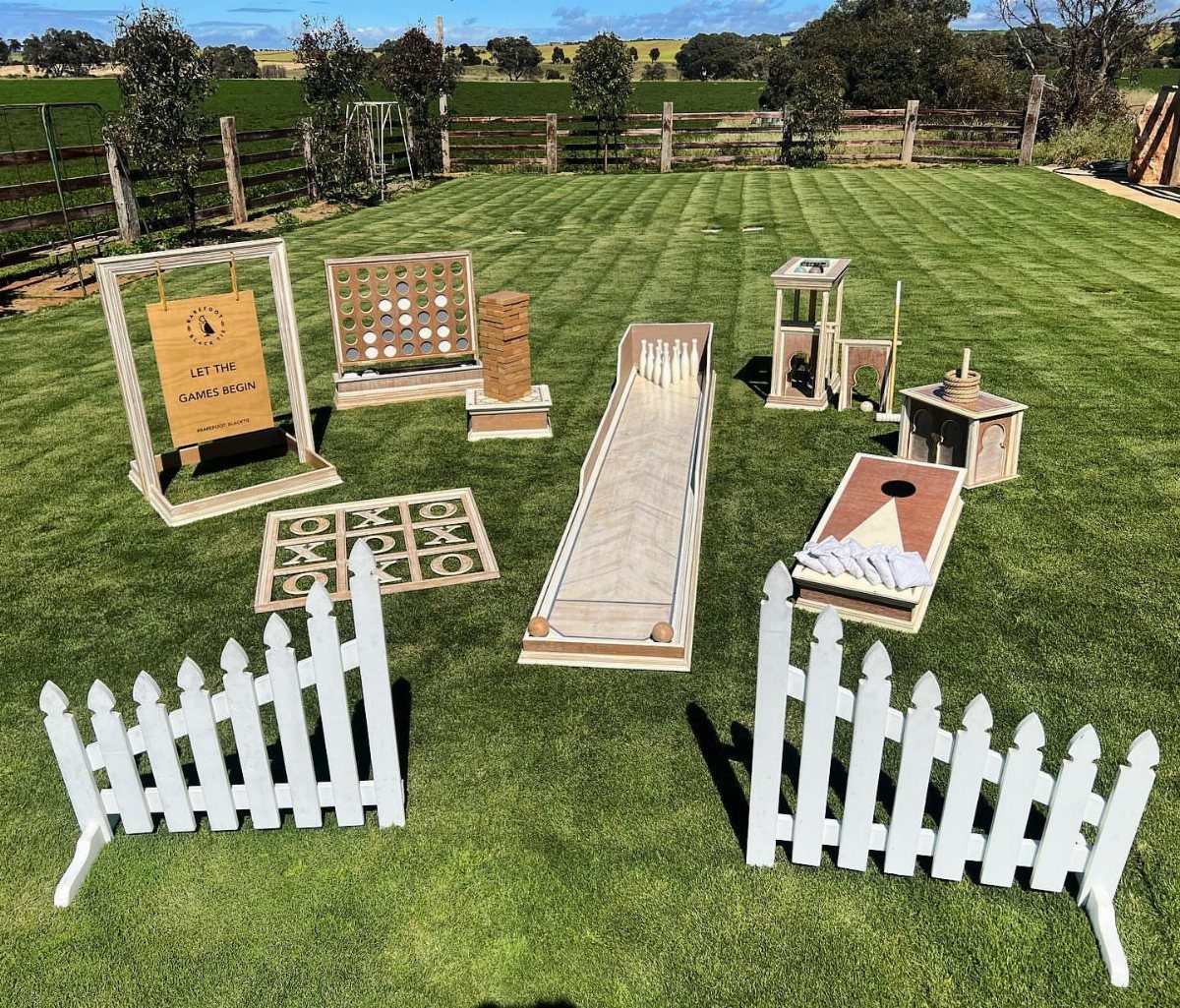
Lawn games fill the gap between ceremony and reception when guests arrive at different times and the bar is not yet open.
A setup with bowling, cornhole, Connect Four, giant Jenga, and croquet behind a small picket fence keeps balls from rolling into the dinner plates.
Competition needs boundaries.
A sign reading "LET THE GAMES BEGIN" helps, but someone from the wedding party should actually start the first round. Left alone, guests will hover awkwardly around the Jenga tower without touching it.
Obstacle courses and egg-and-spoon races work for daytime weddings with a young crowd and grass that can take some damage. Evening receptions in heels call for cornhole and nothing that requires running.
7. Firework Display
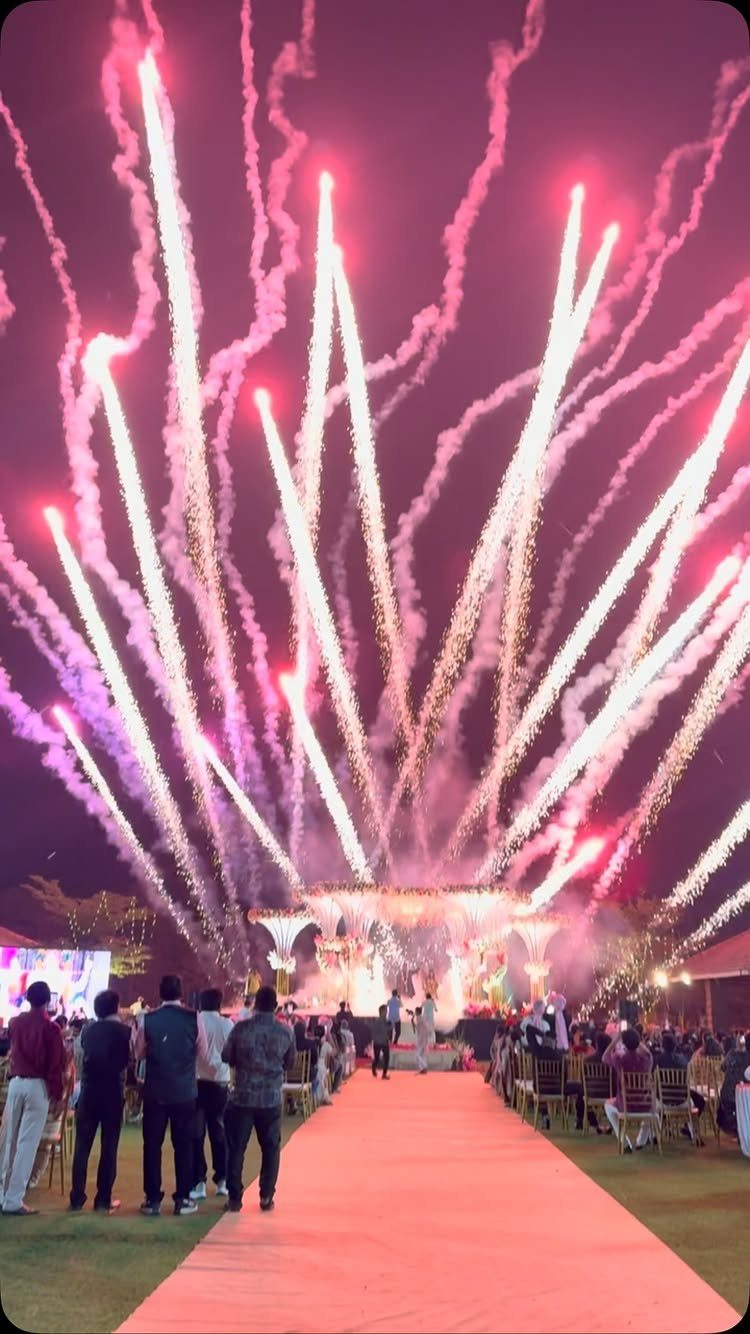
A firework display sends guests home through parking lots still smelling of sulfur, talking about nothing else. The best ones build their burst pattern rather than sputter, so the energy rises and falls in waves guests can feel.
Your venue contract almost certainly has language about pyrotechnics; most outdoor sites require a licensed operator and advance notice to neighbors.
A barge launch over water solves the noise complaint but doubles the cost. I would time it for the exit, not cake cutting, when guests are already gathered outside and the sky is fully dark.
Without the budget for a full show, cold sparklers at the first dance give a similar photograph at a fraction of the price.
8. Chalkboard Signs
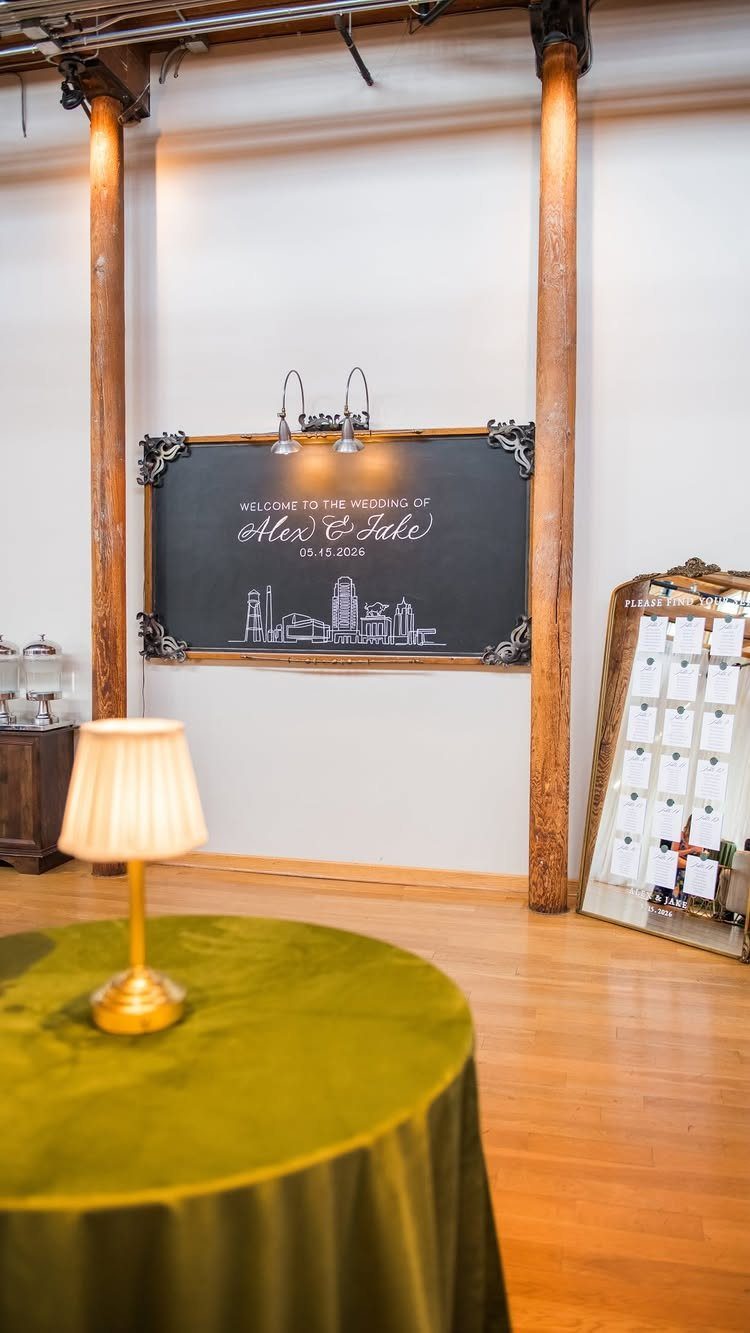
Chalkboard signs work because they age well under string lights and forgive last-minute changes. A seating chart rewritten when 2 cousins decline does not require a reprint, just a damp cloth and a steady hand.
The surface matters more than the frame. Real slate holds chalk longer than the painted MDF sold at craft stores; in June humidity, the cheaper boards ghost and smear.
Hand-lettering with a proper chalk marker reads cleaner than actual stick chalk, and it wipes clean with Windex if you need a do-over.
A welcome sign at the entrance sets expectations.
A message board near the bar collects drunk handwriting that ages poorly by morning. Choose which memories you want to keep.
9. Casino Tables
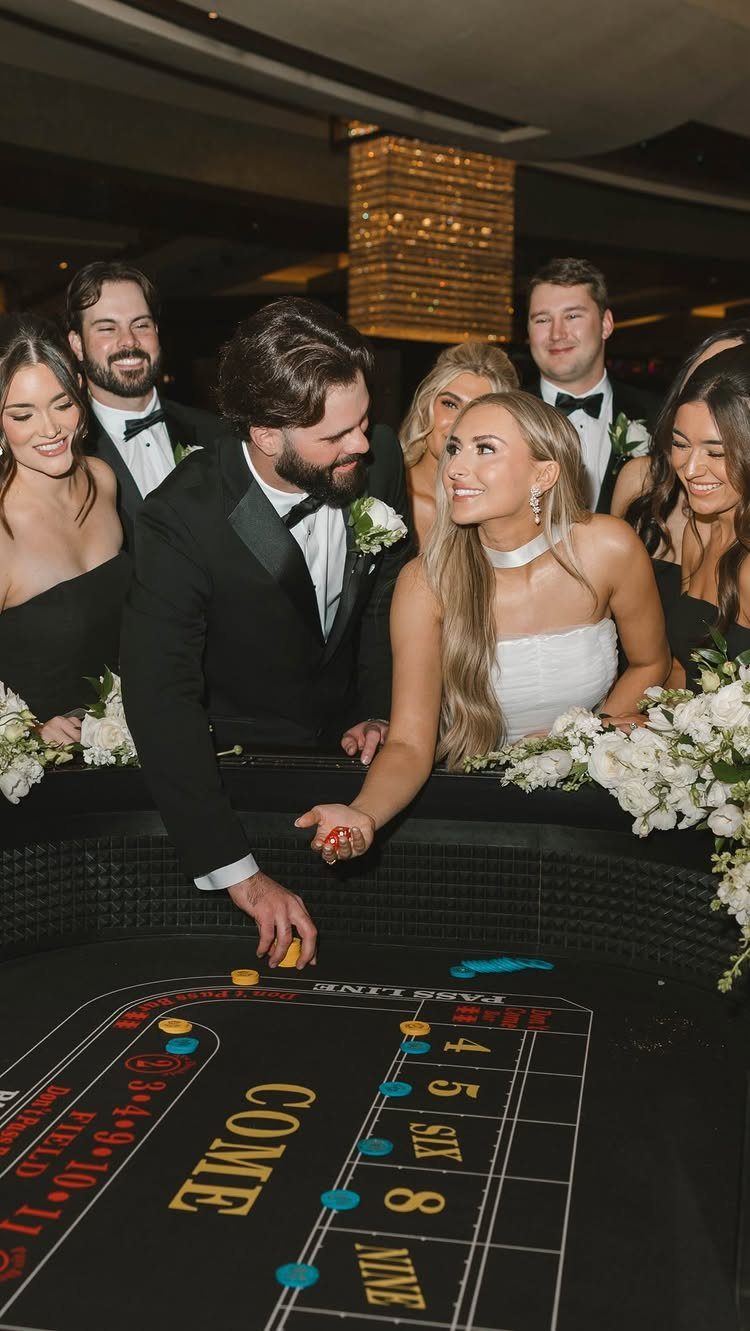
Casino tables give guests who do not dance something to do with their hands after dessert. The chips are worthless, but the competitive energy is real, and a good dealer keeps the table laughing even when the cards run cold.
Roulette and craps need the most space; blackjack fits tighter corners and smaller groups.
Ask whether your rental includes play money or if guests gamble with tickets they cash for prizes. The prize route costs more in stocking but keeps the table full longer than a table where winning means nothing.
Vegas-style sounds grander than it plays at a wedding where half the crowd is sober and in heels. A single table, well staffed, beats 3 empty ones.
10. Choreographed Dance
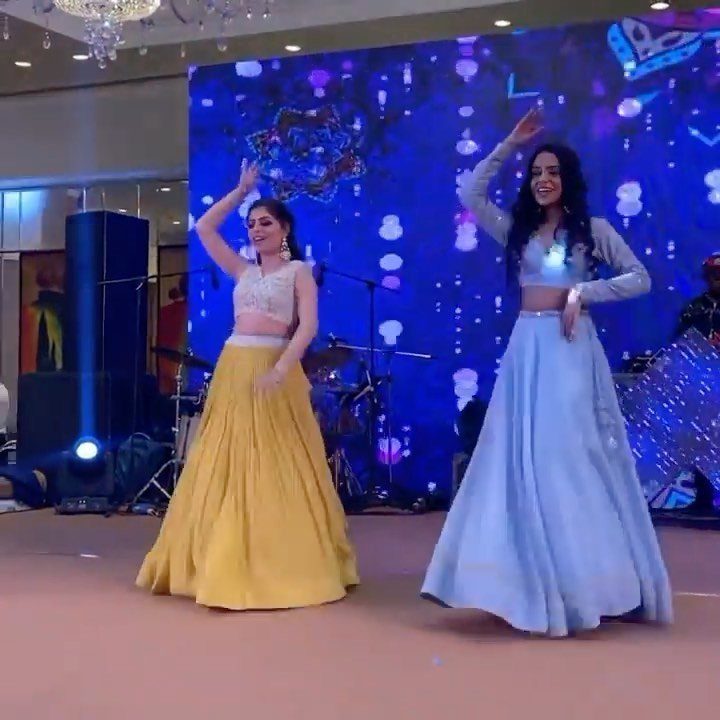
A choreographed dance gives the wedding party something to practice at the bachelor party instead of just drinking.
The routine does not need to be good; it needs to be committed. Guests forgive stumbling if the group sells it.
Start simple. A basic Bollywood step or a line dance pattern learned from a YouTube tutorial in the living room costs nothing and rewards repetition until muscle memory takes over.
Hiring a choreographer makes sense only if the wedding date is far enough out and the group will actually show up to sessions.
Swing, salsa, a fully synchronized friend-group jump to a pop song; the idea travels beyond any one tradition. The culture it references should be yours to reference.
11. Potted Herbs
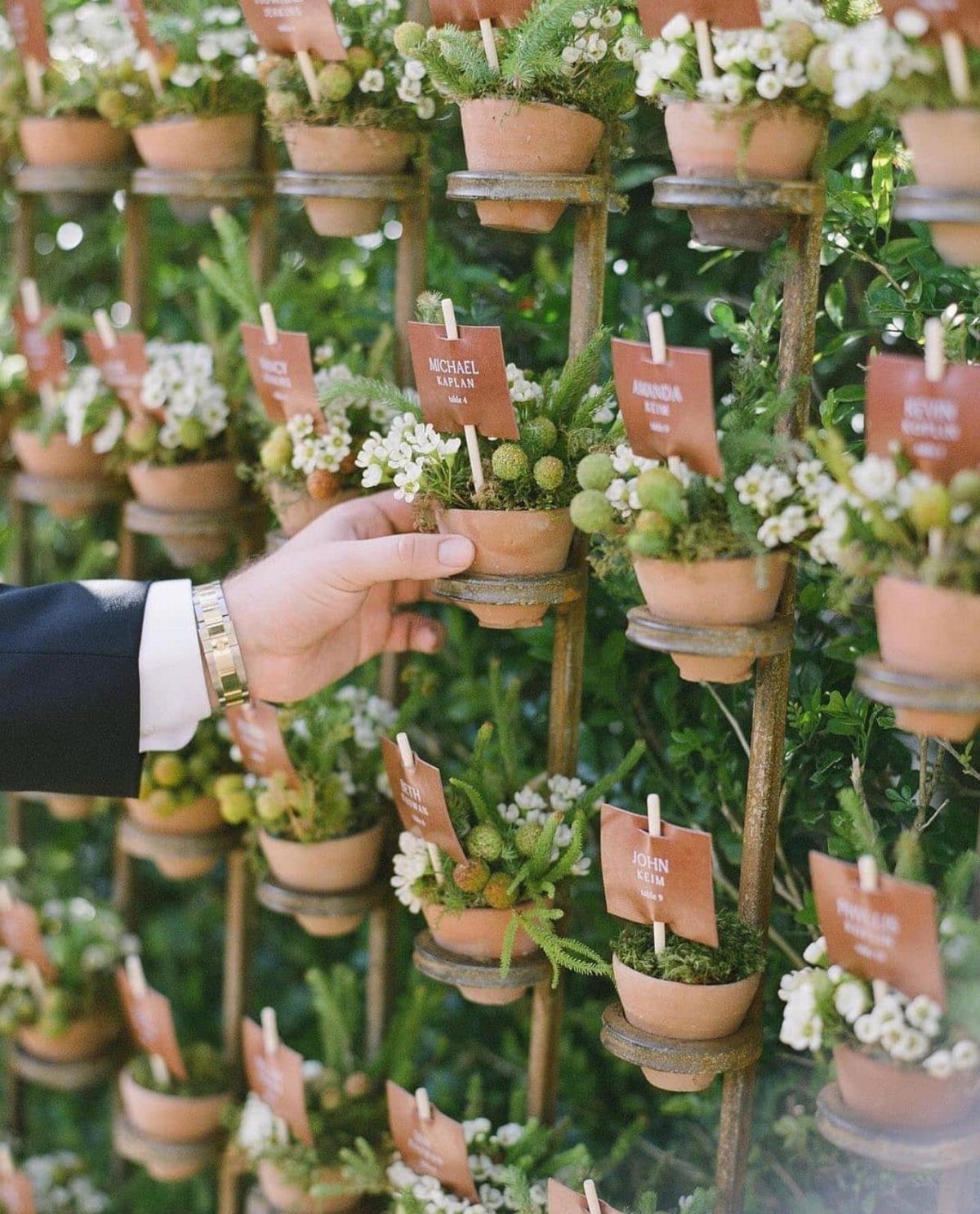
Potted herbs as escort cards solve 2 problems at once: guests find their tables, and they leave with something alive to kill slowly on a windowsill. Terracotta weighs enough not to tip and costs less than ceramic.
Thyme and rosemary survive the car ride home better than basil, which wilts in direct sun during an outdoor cocktail hour.
If your wedding runs in summer heat, skip the delicate leaves and pot mint or oregano, which bounce back from neglect.
A waterproof marker on the pot itself, or a seed packet tucked into the soil, speeds setup and still reads as intentional.
12. Statement Chairs
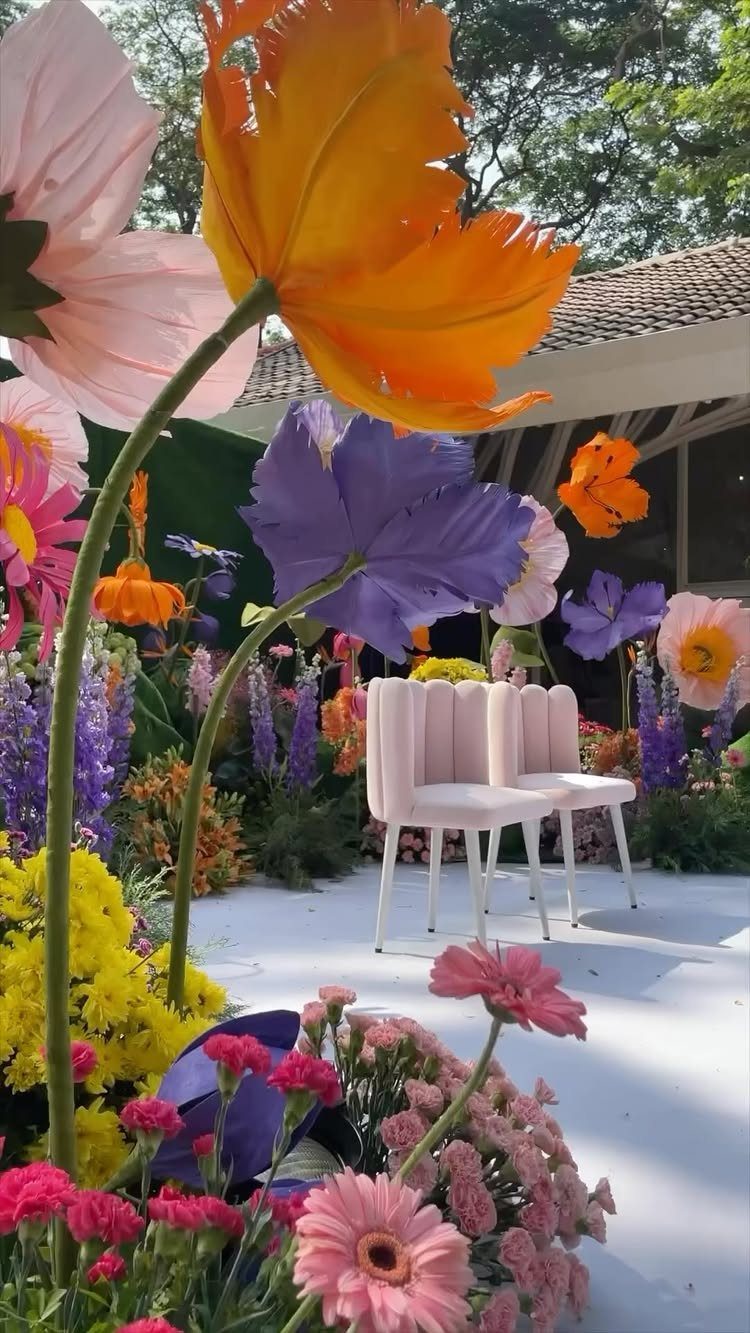
Statement chairs turn the head table into a photograph instead of a necessity.
Mixing eras at guest tables requires more chairs than most rental companies stock in one style, which is the point: you are sourcing from estate sales, antique dealers, and the company’s own mismatched overflow.
The look fails if every chair is a different color but the same metal folding shape. Aim for two or three materials, wood and rattan and upholstered, with a unifying tone or silhouette.
The practical cost is setup time.
Each chair type stacks differently and loads onto the truck in a separate pile. Your rental window may need to extend by half a day to accommodate the sort.
13. Colorful Smoke Bomb Backdrop
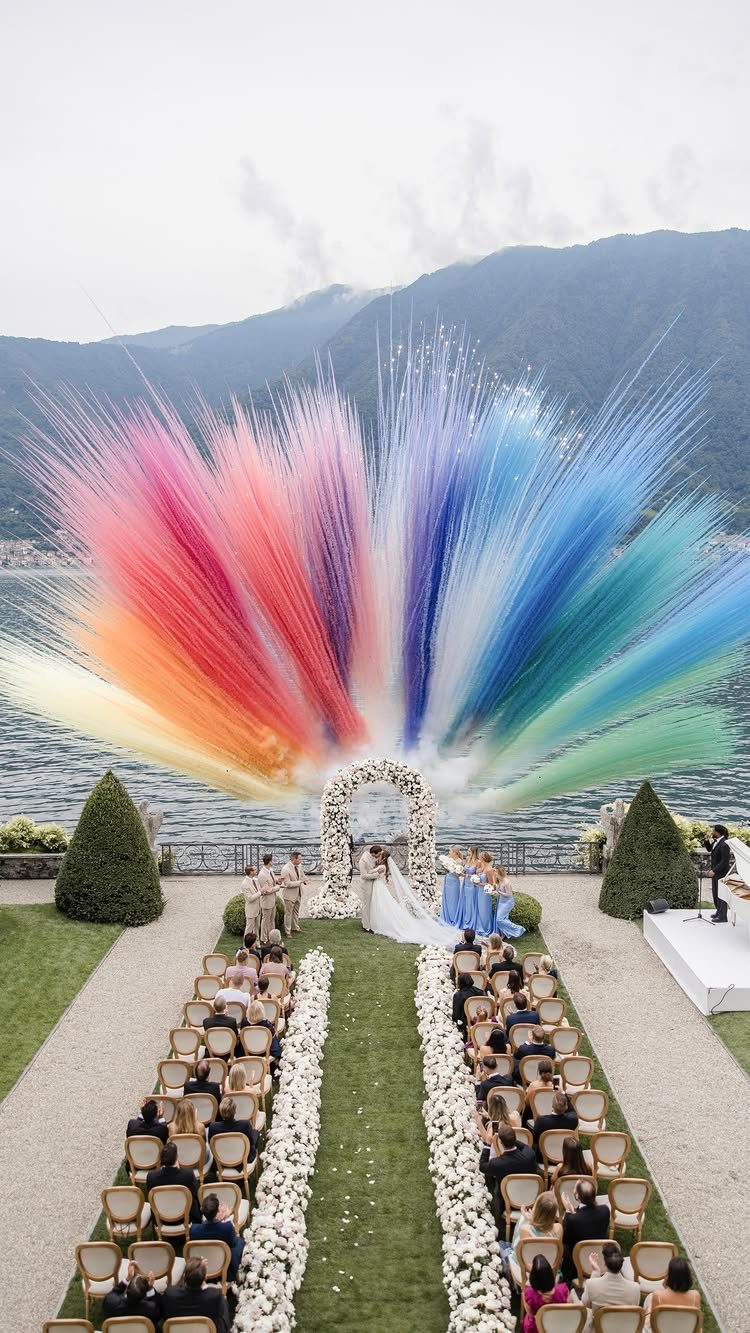
Smoke bombs turn a standard ceremony exit into something guests photograph before they even think to.
The color plume behind the couple needs wind at your back, not in your face, or the wedding party spends the next hour smelling of dye.
Outdoor venues with open grass give you room to place the canisters where the photographer directs.
The smoke itself is cold, but the casing heats fast; a groomsman with gloves should handle placement, not the bride in silk. Most displays run just over a minute, so the photographer must preset focus and framing.
Check local fire codes. Some counties classify these as pyrotechnics and require the same permitting as fireworks.
14. Jigsaw Puzzle Guest Book
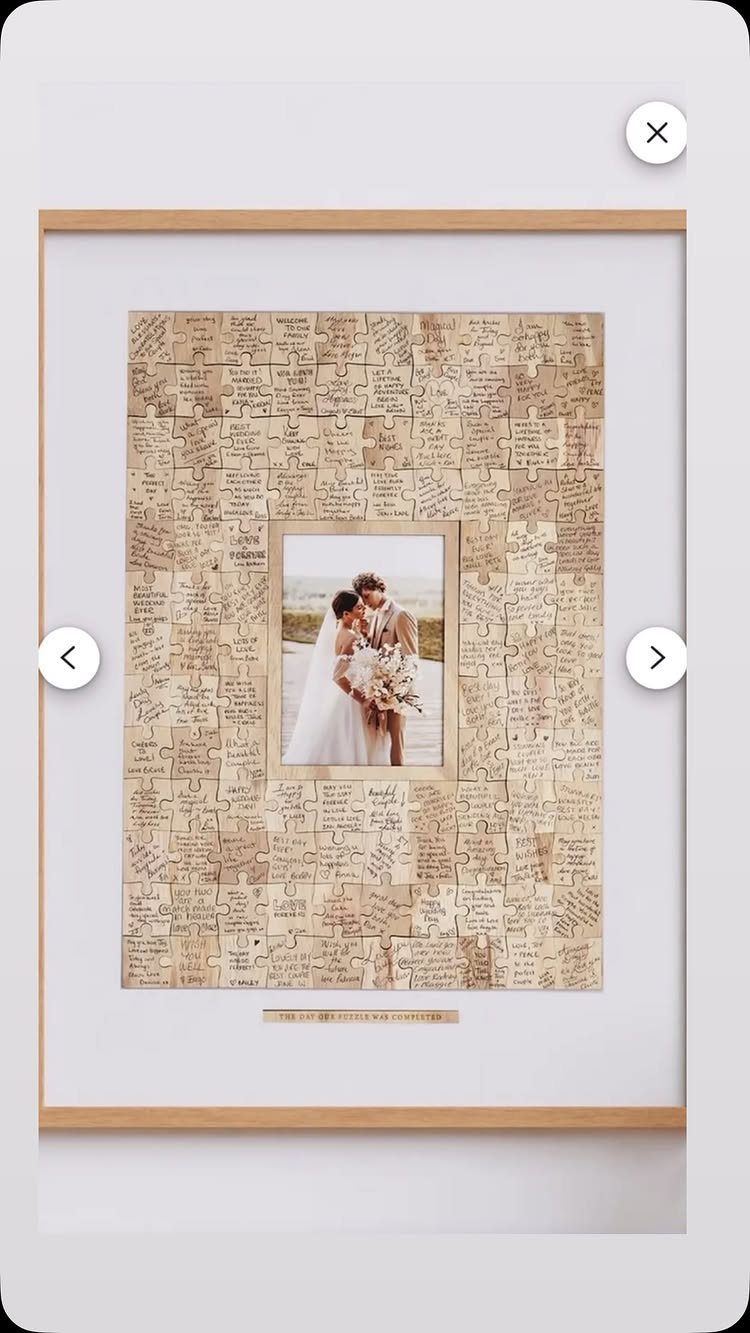
A jigsaw puzzle guest book gives guests something to do with their hands while they wait in the receiving line. Each piece gets a message, and the finished frame hangs where a traditional album would gather dust.
Wooden puzzles hold ink better than cardboard; a 100-piece set fills an evening without exhausting patience.
The center photograph should print at high resolution, since guests will lean in close to read handwriting. A small plaque with the date, like the one visible, turns the piece into proper wall art rather than a craft project.
Some couples assign each table a puzzle section to keep the line moving. Others let guests choose their own piece and accept the chaos.
15. Circular Ceremony Seating
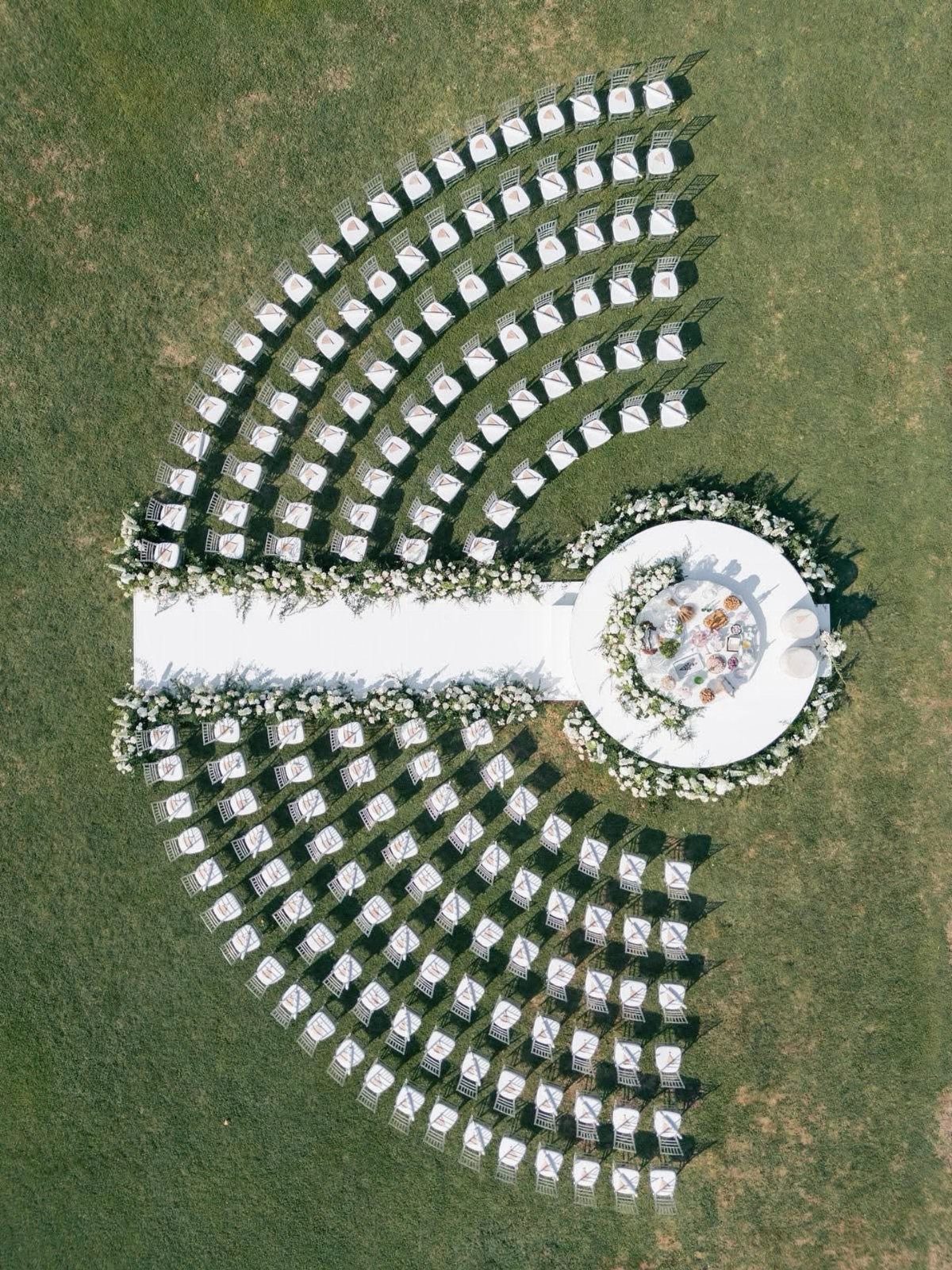
Circular seating brings the last row as close to the couple as the front row would be in a standard chapel. Guests see faces, not backs of heads, and the photographer works the perimeter instead of fighting down the aisle.
The platform must be true round, not octagonal, or the front row sits at awkward angles.
A modest circle fits guests in concentric rings; beyond a certain size, the outer guests lose intimacy and the inner circle feels like a stage. Grass needs leveling first, or the platform rocks on hidden dips.
This layout suits outdoor weddings where the view surrounds the couple, not a single focal point like an altar painting.
16. Chips and Salsa Bar
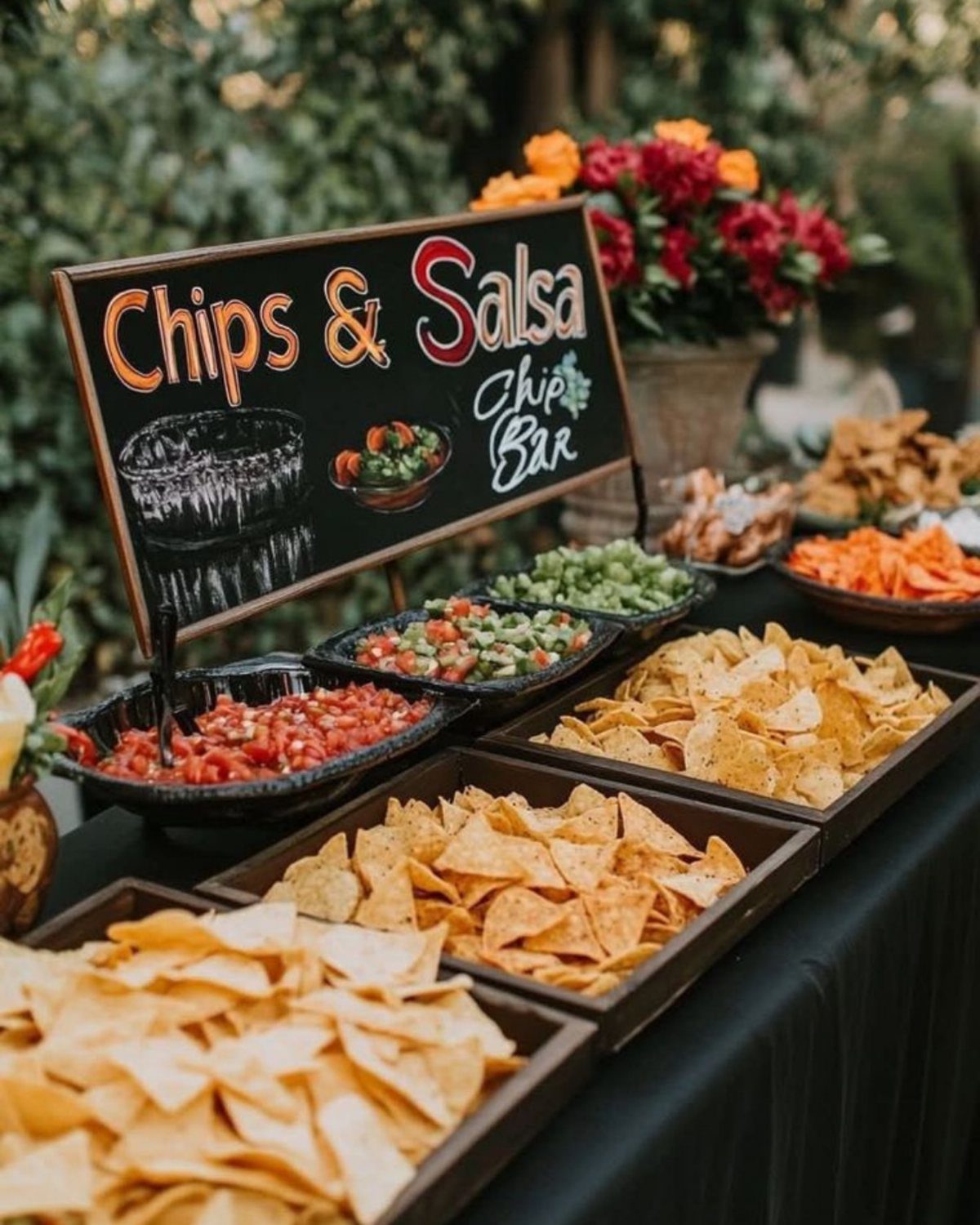
A chips and salsa bar feeds guests who arrive hungry between ceremony and reception without the cost of a full second meal. Wooden trays keep the look rustic; ceramic bowls chip on grass and concrete alike.
Offer three salsas minimum: a mild roasted tomato for cautious palates, a verde with tomatillo brightness, and one habanero or chipotle for the few who want heat.
Guacamole belongs in a separate dish, not mixed in, or the browning spreads. Corn tortilla chips stay crisp longer than flour in humid air.
A handwritten sign sets the tone informally and tells guests this is a serve-yourself station. A printed menu at a station this casual reads as overdone.
17. Mini Candy Cloche Favors
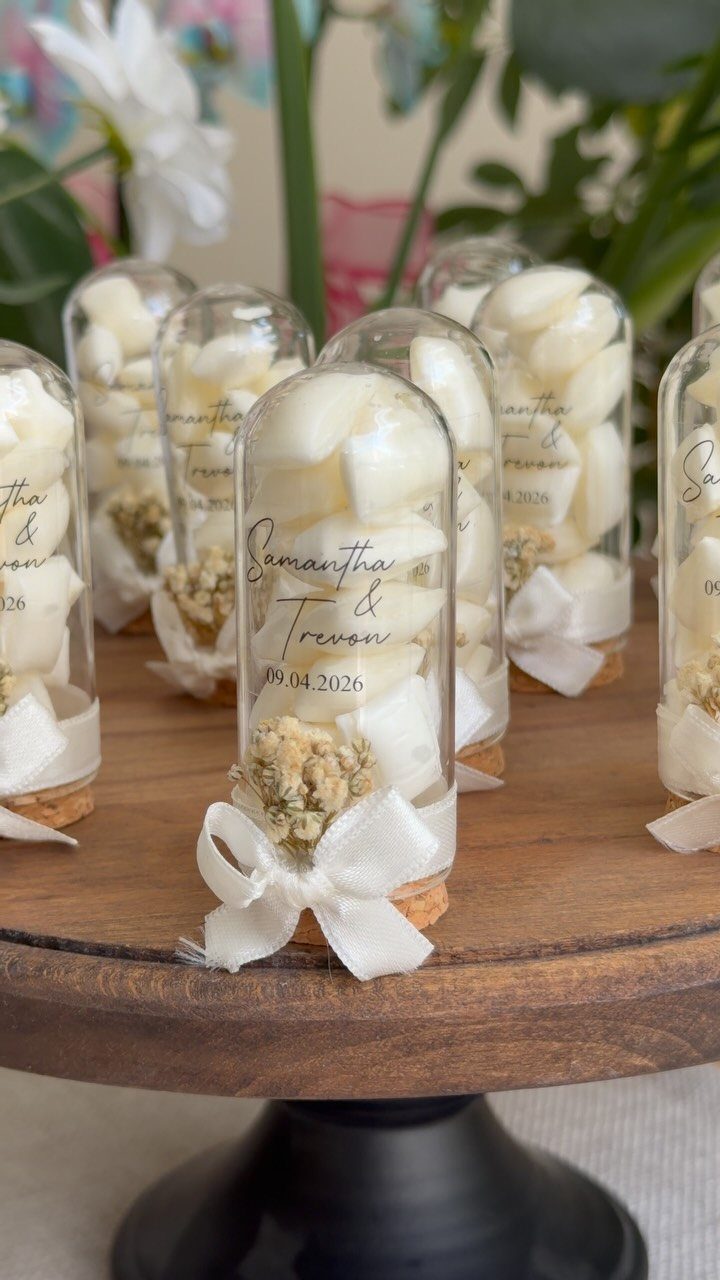
Glass cloches turn a few ounces of candy into a favor guests actually carry home instead of abandoning on the table. The dome shape protects contents from dust during setup and travel.
White candy keeps the look clean, but the color is not the point; the text on the glass is.
A date, like the 09.04.2026 visible, needs proofing twice before ordering, and the format should match your invitation style. Ribbon and dried floral tie the favor to your palette without adding cost.
These suit seated dinners where favors rest at each place. For buffet or cocktail receptions, the cloche becomes something guests must juggle with a plate and a drink, and the breakage rate rises fast.
18. Matching Floral Couple Attire
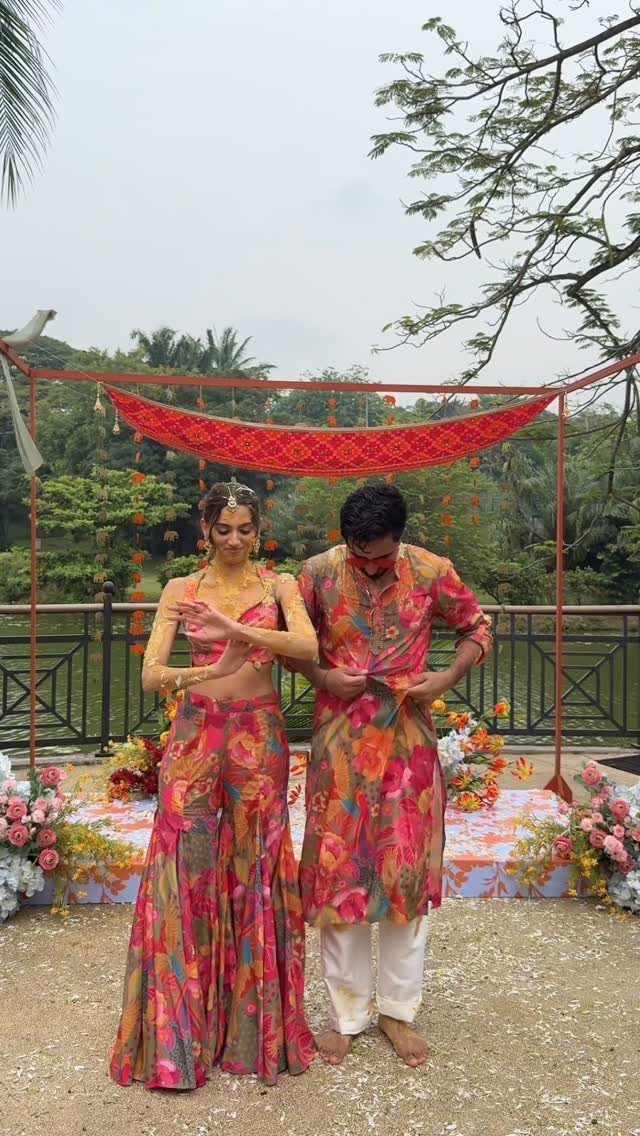
Matching floral attire works when the pattern scale suits both bodies equally. A large repeat that overwhelms a petite frame will dominate a taller partner instead of coordinating.
The fabric matters more than the cut. Lightweight cotton or silk prints drape differently on masculine and feminine silhouettes without fighting the pattern; stiff brocade or structured jacquard can make one partner look costumed while the other looks dressed.
The visible couple chose traditional Indian cuts in the same cloth, which reads as intentional rather than identical.
This idea demands a shared confidence. If either partner hesitates, the photographs show it.
Choosing a Unique Venue
A museum, brewery, or greenhouse carries the story you want told, but the contract matters as much as the photograph.
Ask whether the space clears out its own exhibits or if you are renting around them, and who handles the floor plan if the dinosaur skeleton stays put.
Summer camps and rooftops sound personal until you price the logistics.
A camp may need you to rent every cabin to block out other guests, and a rooftop in a city requires freight elevators for catering that close at 10 p.m.
The venue that looks effortless on Instagram often has 5 vendor restrictions you will not find until the second email.
Some museums charge a flat site fee plus per-head museum admission, and the total runs past a hotel ballroom once you add the required caterer.
Guest Engagement
Interactive elements fail when guests cannot find them. A riddle at each seat works only if someone reads it aloud to start the table talking; left silent, it becomes a coaster.
Milestone signs pointing to the bar or lounge need to stand where traffic naturally pauses, not where they photograph best.
DIY stations sound inviting but need a staff member to reset supplies and explain the process. A flower-crown table with no attendant becomes a pile of wilted greens by 8 p.m.
The photo booth in the main list covers the photography angle; what the list does not mention is that clever messages scattered through a reception hall keep guests moving between the static attractions instead of clustering at one.
Seasonal Considerations
Outdoor weddings in Florida run into afternoon thunderstorms from June through September that build fast and dump hard.
A tent with sidewalls solves the rain but traps heat; one with open sides lets the breeze through but fails in sideways rain.
I would book a tent regardless of the forecast and decide the morning of whether to raise the walls.
Winter weddings face the opposite problem.
A barn heated with space fans warms the air near the ceiling while guests shiver at table level. Ask whether the venue has radiant floor heat or if you are supplementing with propane tanks that hiss through vows.
Humidity affects more than comfort. Chalkboard signs smear, as noted elsewhere; paper programs curl; and chocolate favors melt in direct sun even in March.
Personal Touches
Bespoke table settings from flea markets or family collections express a style no rental catalog matches, but the practical cost is washing and transport.
A charger plate from an estate sale may need polishing the night before; glassware from three households arrives with three different water spots. Rental companies can assemble eclectic looks if your budget stretches, and they handle the cleanup.
Fruit favors avoid the favor table entirely, but apples in August heat turn mealy by evening.
Pears travel better and take a sticker well. The "Farm Stand" concept works when guests pass it on their way out, not when it sits unattended near the dance floor where no one carries a bag.
Mismatched cutlery photographs beautifully until a guest receives a fish knife with their cake. Two or three patterns, not twelve, keep the look intentional rather than chaotic.
Frequently Asked Questions
What different types of weddings are there?
Museums, breweries, greenhouses, and summer camps all host weddings now, though each brings contract complications a hotel ballroom avoids.
A museum may keep its dinosaur skeleton in place and charge admission per guest; a summer camp might require renting every cabin to block other visitors.
Outdoor spaces need leveling and weather plans, but they let you build the day from scratch rather than accepting a preset package.
What is the 50/20/30 rule for weddings?
A 50/20/30 rule splits money three ways, but most Gainesville couples I meet start with one hard number and work backward from there.
Every choice becomes a trade-off between what the budget allows and what the day needs, decided against a fixed deadline rather than a percentage formula.
What are 2026 wedding trends?
Unique venues and interactive guest elements are where planning energy is going. Museums and breweries carry a story but need careful contract review; photo booths, garden games, and puzzle guest books give guests something to do beyond dancing.
The couples I see booking now want their guests to remember doing something, not just watching.