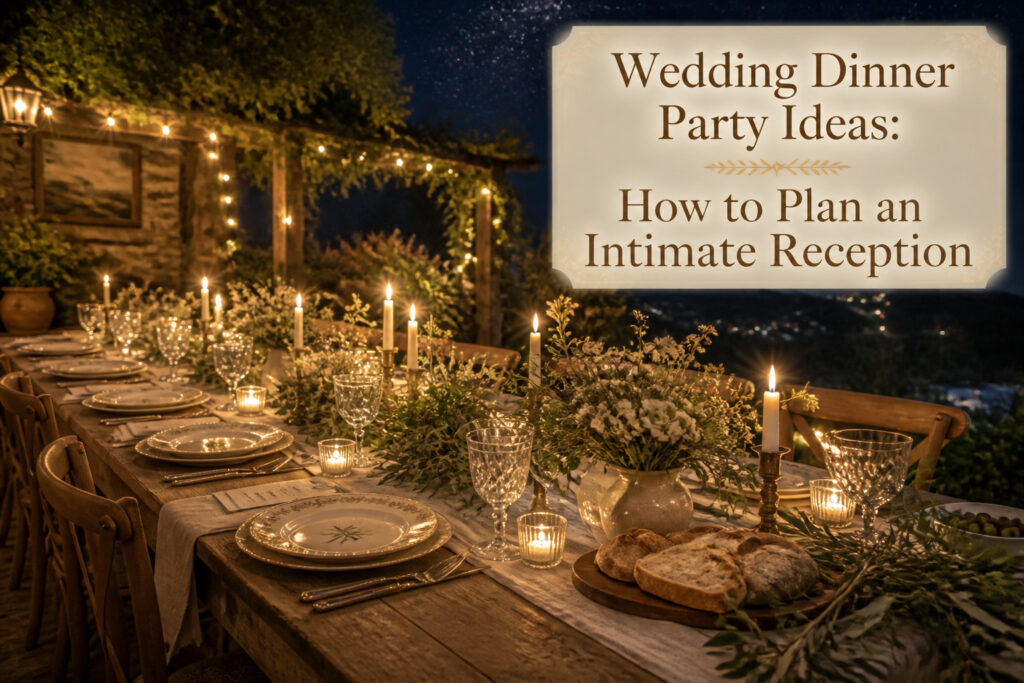
A wedding dinner party is a seated reception built around conversation and shared plates rather than a dance floor and buffet line.
The format only works when the guest list stays tight; thirty-five guests lets a private chef explain each course across candlelit tables, but seventy-five breaks the intimacy entirely.
Hire a Private Chef
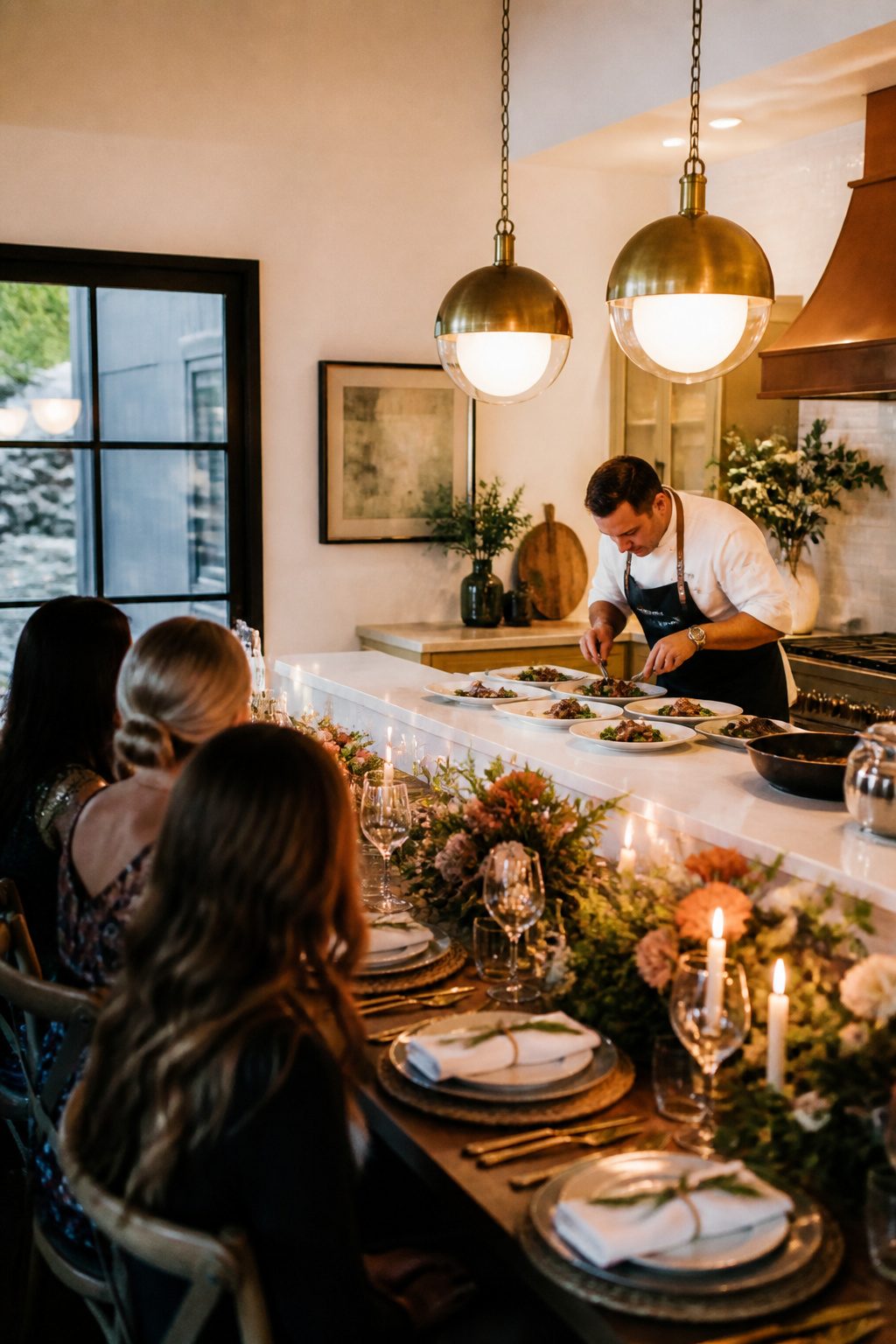
A private chef turns the whole evening into a performance built around the food itself.
In Gainesville, I have watched couples move their budget entirely toward plate quality and presentation, spending anywhere from $50 to $300 or more per guest depending on courses, wine pairings, and whether the chef sources locally or brings in specialty items like lobster tail or dry-aged beef.
The setup matters as much as the menu. One couple I coordinated hosted at a private estate just outside town; the chef worked in an open kitchen while guests watched from a long table dressed with candles and seasonal florals.
The chef explained each course as it arrived, which kept conversation flowing without forcing it.
The trade-off is straightforward: you are buying intimacy and customization, but the guest list has to stay tight. Thirty-five people works beautifully.
Seventy-five breaks the format. If your priority is the meal itself and you want guests talking about the seared filet or handmade pasta three years later, this is the route that delivers it.


Embossed Design: The outside of the salad bowls is embossment. The inner glaze is a smooth ceramic surface. The beautiful embossed patterns are made with exquisite craftsmanship, which makes each soup bowls unique. These pasta bowls can not only make your dining table any longer monotonous but also bring an appetite to you and your family and friend.

Restaurant Buyout
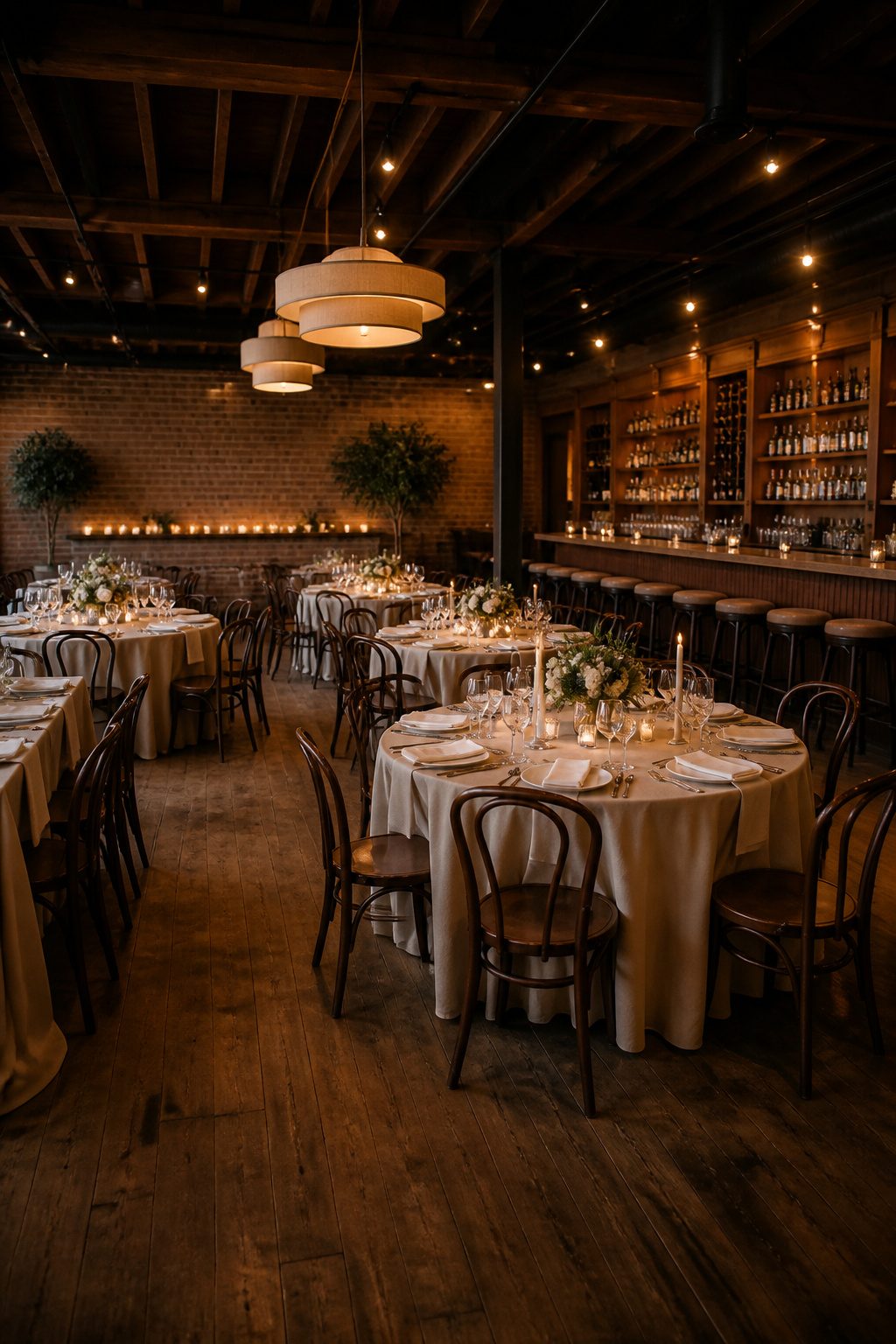
A restaurant buyout turns your favorite local spot into a private reception without building anything from scratch.
The lighting, the playlist, the kitchen, the trained staff; they are already in place. You walk in, and the room already feels like somewhere you have celebrated before, because you have.
What you gain in ease, you give up in control. The menu bends only so far, and the decor is what the owner chose in 2019, not what you sketched on a napkin.
In the Florida market, a full buyout typically runs higher per head than a catered ballroom, but it bundles service, cleanup, and often liquor into one line item.
That can protect a tight budget from the surprise fees that bite at the end of a traditional venue contract.
The couples who win with this approach choose a restaurant that already matches their story: the farm-to-table place where the proposal happened, the rooftop bar with the sunset view.
They do not fight the room; they borrow its character. Minimal flowers, a long table, a custom menu of three signature dishes, and the evening feels personal without the labor of building a dinner party from nothing.
Working within the existing kitchen means accepting their plate size and their pace; a buyout is not the route for a ten-course tasting menu or a 2 a.m. last call.
For a guest list under forty, though, the trade usually lands on the right side of worth it.

PRODUCT: Hosley 11.50 Inch High Cream Wedding Unity Candle Set.

Elegant and Luxurious Design:This is a piece made of premium gold-tone metal and timeless crystals. The 23.6-inch tall exquisite centerpiece instantly sets the mood for a grand celebration or an intimate gathering.

Complete Number Set: This table number card set includes numbers 1 through 20, making it easy to organize seating plans, reception layouts, banquet tables, dinner parties, and event arrangements. The clear numbered design helps guests find their assigned tables more smoothly while adding a neat and coordinated detail to the overall table setting.
Intimate Dinner at Home or Airbnb
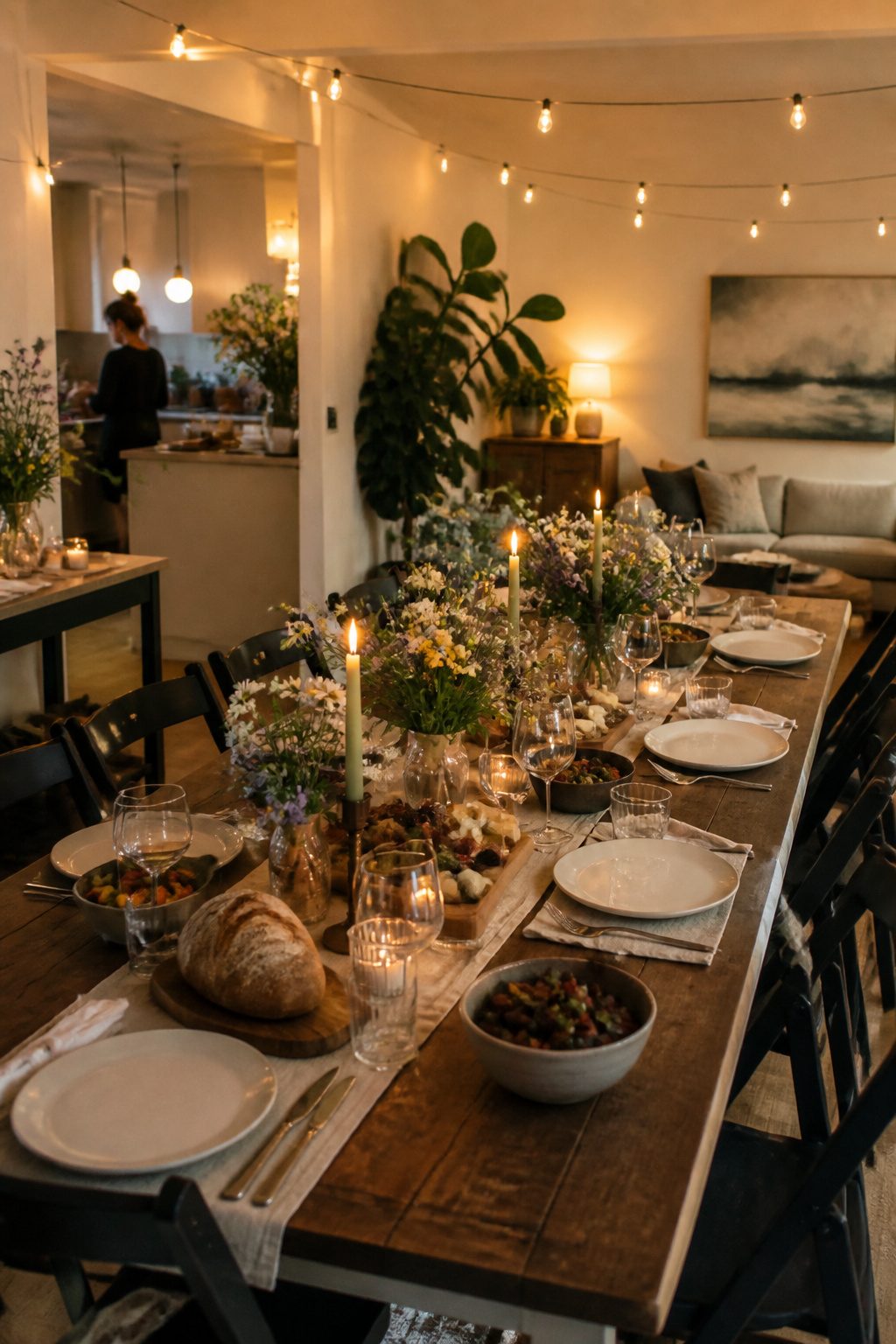
A private kitchen table or rented living room turns the whole evening into something guests cannot replicate at a restaurant.
String lights across a backyard deck, move the sofa against a wall, and the same room where someone woke up that morning becomes the place you said your vows.
That control over timing is the part couples mention first: dinner starts when the last guest arrives, not when a venue’s contract says so.
Fifteen to fifty guests fits the typical micro wedding dinner. Above that, you are staging a house party with production values, and the math changes fast.
The hidden cost is coordination. Someone has to meet the rental company when they arrive with chairs, confirm the private chef remembered the nut allergy, and find the circuit breaker when the string lights trip it.
A planner handles vendor logistics in non-traditional spaces by mapping load-in paths, checking outlet loads, and building a timeline that accounts for a kitchen not built for fifty plates.
Without that, the couple becomes the default coordinator, and they will spend their wedding afternoon on the phone with a florist who cannot find parking.


Size: These 4"x9" printable menu cards are the perfect touch to the wedding reception table. With beautiful themes such as terracotta, rustic, classic, or modern, the menu cards will match your event's decor perfectly. As a pack of 56 menu cards, host larger dinner parties easily. These printable menu cards are blank canvases for the DIY bride. Menu cards for weddings add a special touch to each table setting. On rack card paper, create a wedding menu that compliments the reception tablescape.

Size: These 4"x9" printable menu cards are the perfect touch to the wedding reception table. With beautiful themes such as terracotta, rustic, classic, or modern, the menu cards will match your event's decor perfectly. As a pack of 56 menu cards, host larger dinner parties easily. These printable menu cards are blank canvases for the DIY bride. Menu cards for weddings add a special touch to each table setting. On rack card paper, create a wedding menu that compliments the reception tablescape.
Outdoor Picnic or Campfire
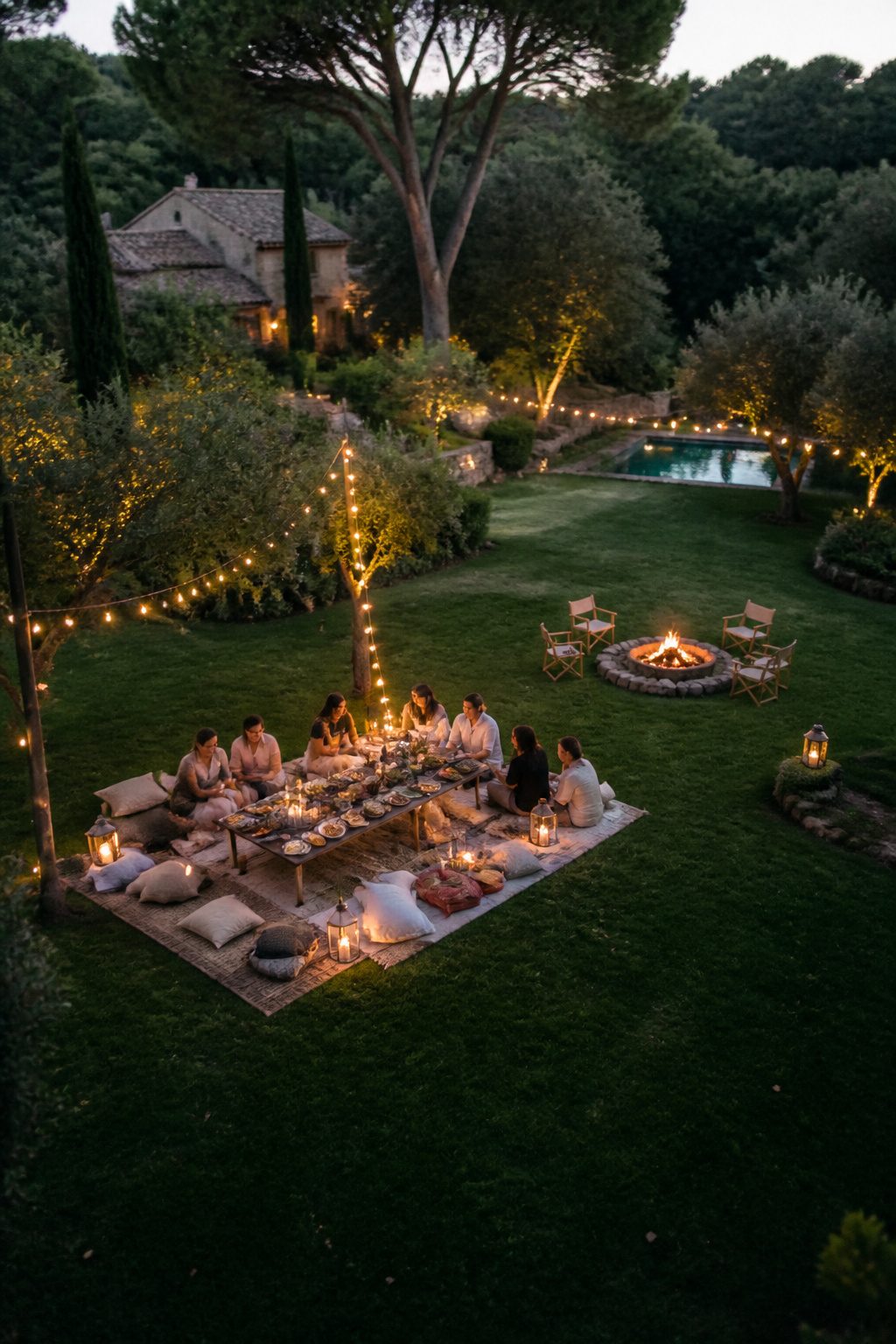
A blanket on the grass with string lights overhead sounds effortless until the Florida humidity turns the cheese board slick and mosquitoes find your guests before the toasts begin.
I learned to treat outdoor dinner parties less like a Pinterest mood board and more like a logistics puzzle with a hard weather deadline.
The casual format changes everything about how people mingle. Without assigned seating, guests drift between clusters, which means the food has to survive sitting out and the couple has to work harder to greet everyone.
Rentals for this style run higher than couples expect: low tables, cushions, or picnic benches still need delivery, setup, and breakdown, plus linens that can handle grass stains.
Permits catch people off guard too.
Public parks in the Gainesville area often require event permits months out, with restrictions on alcohol, amplified sound, and how late you can stay. Private property simplifies that but shifts the burden to portable restrooms and parking.
The backup plan is non-negotiable. A tent with sidewalls handles afternoon thunderstorms, but in July and August the heat under that tent can be worse than the rain.
I steer couples toward late October through April, when a campfire actually feels cozy instead of absurd, and when the bug pressure drops enough that citronella might suffice.

The San Jamar Insulated Food Delivery Bag boasts a spacious design, allowing for the flexible arrangement of various takeout containers Insulated with 1" of high-density...
Family-Style Dining
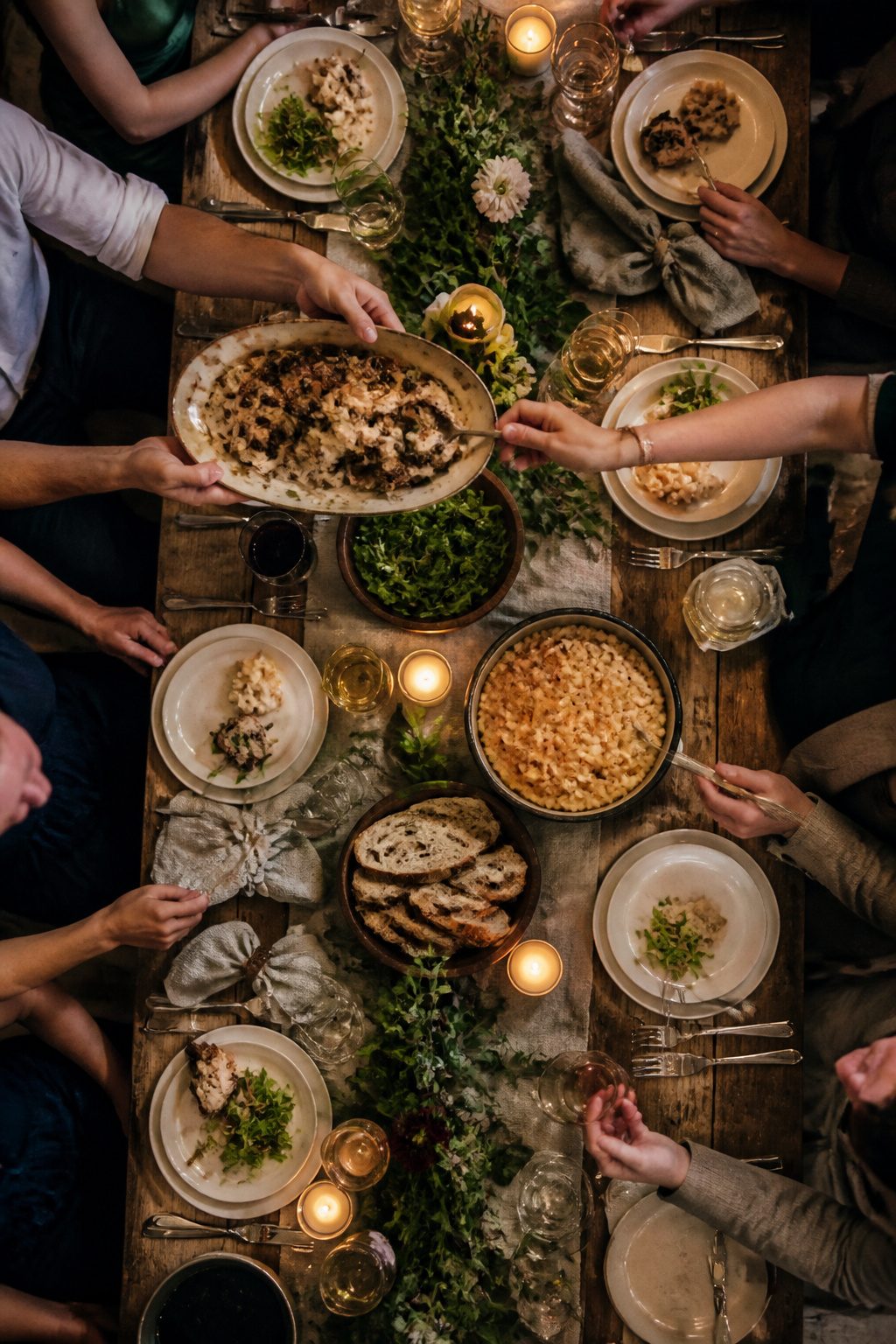
Passing platters of herb-roasted chicken and truffle mac and cheese across a table does something plated service never manages: it makes strangers reach for the same spoon and start talking.
The physical act of sharing food breaks the stiffness that lingers after a ceremony, and by the second pass most tables have found their rhythm.
The logistics matter more than couples expect. Round tables top out at about eight seats for family-style to work; anything larger and guests spend the meal half-standing to hand dishes past one another.
Your caterer needs one complete set of proteins, starches, and vegetables for every four to six people, not one per table, because platters empty fast and nothing kills the mood like waiting for a refill.
Bread and butter should hit the table before anyone sits down, so the first minutes feel generous rather than hungry.
Pacing sets this style apart.
Budget ninety minutes minimum for the meal itself, not counting toasts. Shared dishes move slower than plated ones, and rushing the passes turns the evening into a relay race nobody wanted to join.
What goes wrong is usually size or scarcity. Tables too large leave the center seats stranded; too few dishes per course and the last table served watches everyone else eat.
I have seen both mistakes made from optimism, not malice, and both are fixed in the walkthrough if you ask your caterer specifically who passes what, when.
Put wine on the table as anything shared encourages more interaction between guests.
— Vogue
The orange wine or close-out red you choose matters less than the bottle itself sitting there to be poured.
The same principle holds for seating: separate couples who already know each other, and the table starts working before the first platter arrives.

PREMIUM SATIN FABRIC: Crafted from high-quality polyester satin with a silky-smooth texture and elegant sheen, these 12 x 12 inch cloth napkins instantly elevate your table décor while offering durability for repeated use.


PREMIUM SATIN FABRIC: Crafted from high-quality polyester satin with a silky-smooth texture and elegant sheen, these 12 x 12 inch cloth napkins instantly elevate your table décor while offering durability for repeated use.
Interactive Food Stations
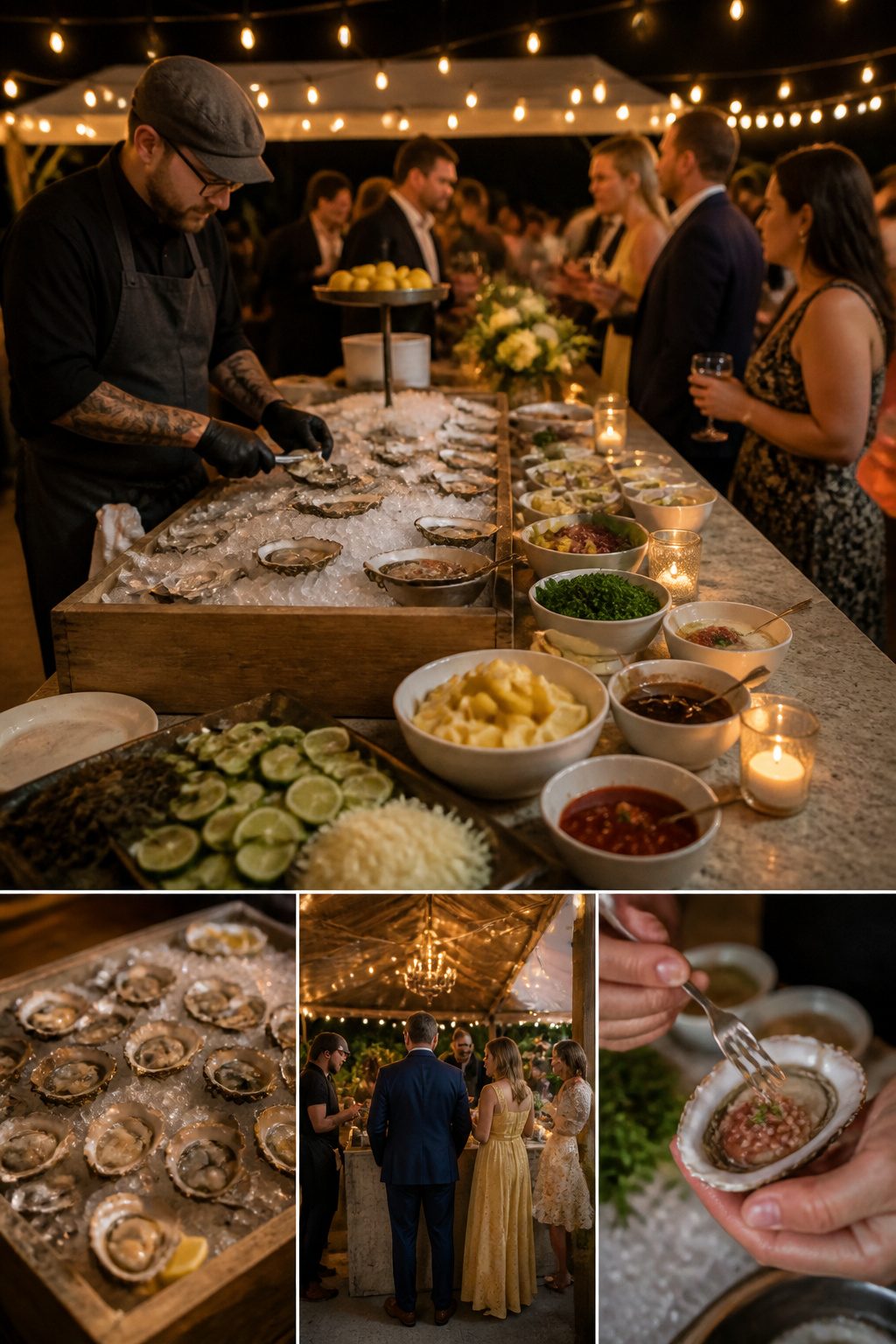
Guests remember a wedding by what they did, not only what they ate. A build-your-own station turns the meal into something they handle, which matters more at a small reception where every guest is someone you actually know.
For a spring wedding at a downtown Gainesville loft, I set up a raw bar with a shucker working the full two-hour window.
The line stayed manageable because we capped each tray at six oysters and had a second server resetting cocktail forks and napkins so guests moved on.
Without that second pair of hands, the station becomes a bottleneck and the mingling dies.
Pasta rolling works the same way. One chef stretches and cuts dough while a second sauces and plates.
I have also used made-to-order arepas at a backyard reception; the corn cakes grill fast, which keeps the queue short, but you need a second cook pressing and filling or guests cluster for twenty minutes.
The sweet spot is a station that looks involved but finishes quickly.
Sushi rolling sounds ideal and stalls hard; the rice tempers, the nori wilts, and one amateur rolls forever. I skip it now.


Cocktail-Style Reception
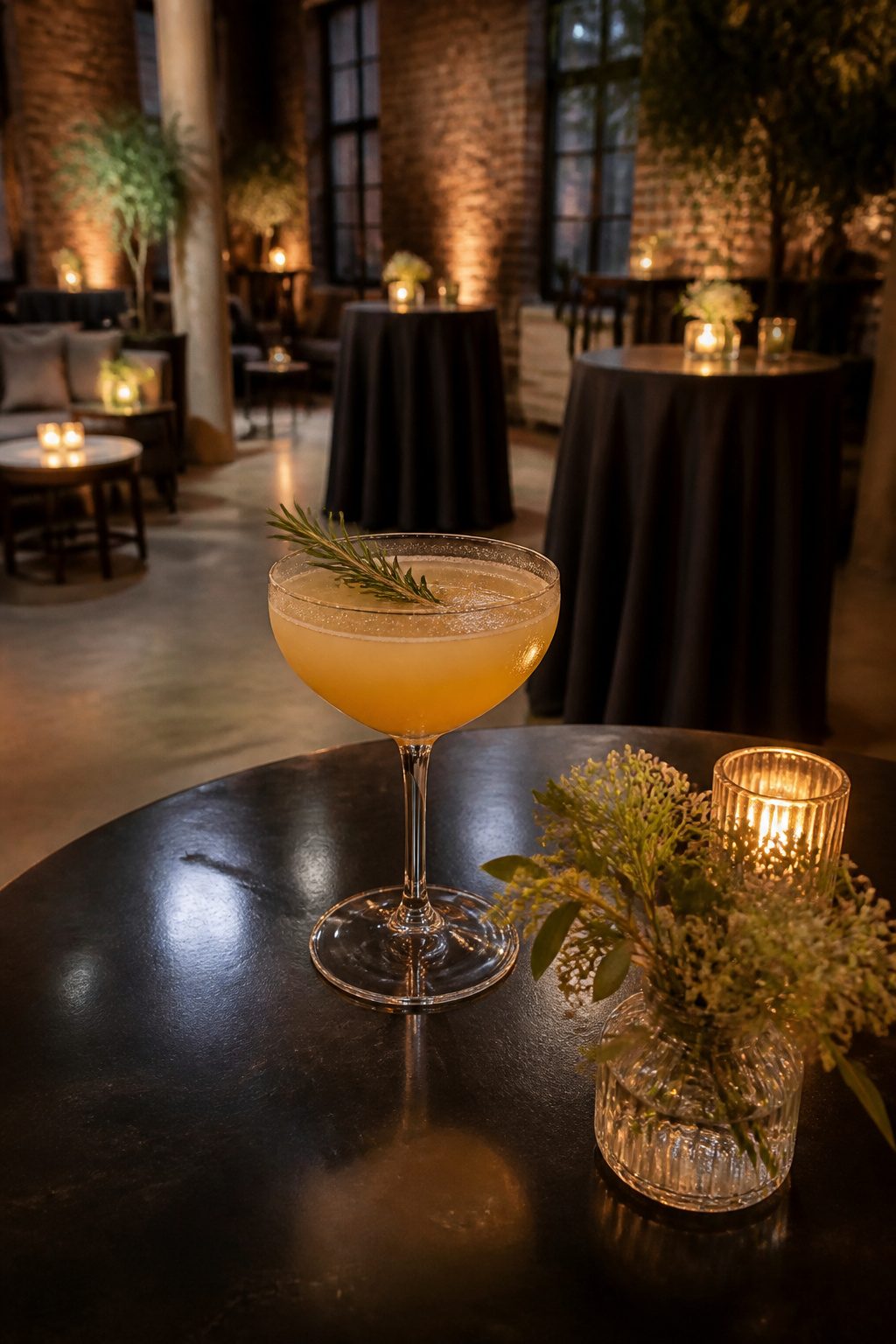
A cocktail-style reception trades the seated meal for passed appetizers and continuous mingling, which sounds lighter but usually demands more food and more staff, not less.
The math is simple: guests graze for four to five hours instead of eating one plated dinner in ninety minutes, so your caterer must produce roughly one and a half times the bites per person to keep plates from looking sparse by 9 PM.
The format thrives in certain spaces and suffocates in others. Wineries, modern lofts, and rooftops with natural flow between indoor and outdoor areas let guests drift from high-top tables to lounge seating without bottlenecks.
A long, narrow venue or one with a single cramped bar turns that same movement into a traffic jam that exhausts people.
Guest personality matters too. The friends who circle the room at every party will stay energized; the ones who came expecting a chair and a conversation partner will flag after two hours of standing.
Pacing is where most of these receptions lose their shape. Plan for ninety minutes of heavy passed bites, then introduce a refreshed grazing board or cheese display around the midpoint to bridge the gap before late-night sliders or flatbread.
Without that deliberate rhythm, guests hit a lull where the food feels finished but the evening does not.
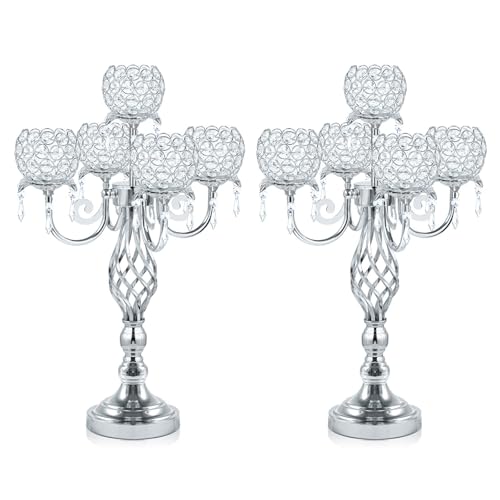
Elegant and Luxurious Design:This is a piece made of premium gold-tone metal and timeless crystals. The 23.6-inch tall exquisite centerpiece instantly sets the mood for a grand celebration or an intimate gathering.

1.Ideal size guide for 52"x70" tablecloth: fits most 28''x46''-40''x54'' tables, seating 4-6 guests. Recommend measuring your table to select the appropriate table cover.

Exquisite and Elegant - This one is made of high-quality nickel-plated metal, the surface treatment is antique gold, with high-quality long crystals, the whole is very magnificent. Let your decoration become a beautiful landscape. Perfect for weddings, birthdays, candlelight dinners, dining rooms, living rooms, and parties.
Themed Dinner Party
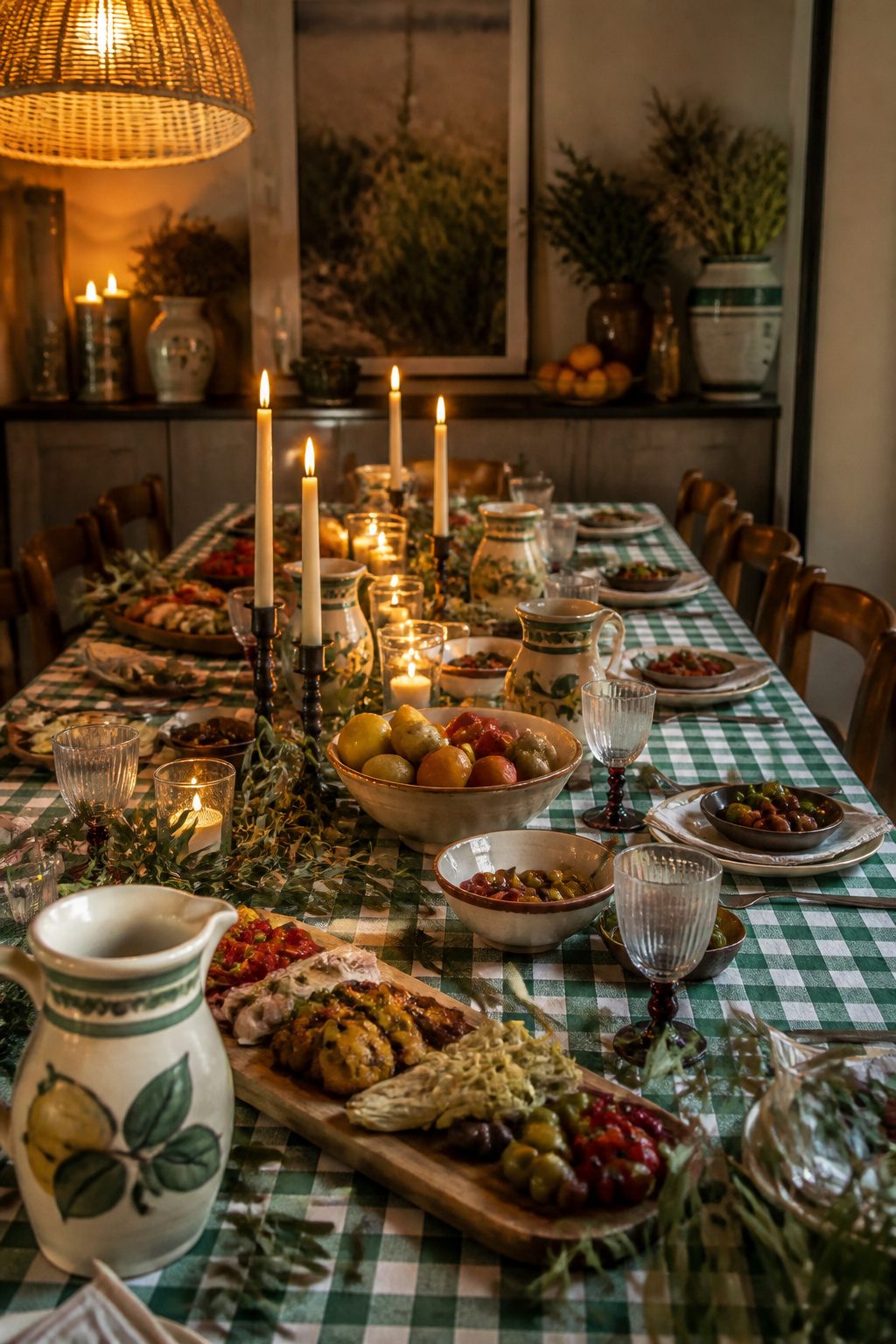
A unifying concept turns a nice dinner into an evening people remember six months later. Choose the theme first, before you book a single vendor, because every decision after that hangs from it.
I watched a couple in Gainesville commit fully to a Sicilian Sunday supper.
Checkered tablecloths, ceramic pitchers for water, antipasti passed before anyone sat down. The florist knew to skip roses and bring in dried citrus and olive branches.
The DJ understood why Dean Martin made sense and Bruno Mars did not. The theme was not decoration; it was a filter.
Budget finds its level through theme too. A midsummer garden party with all-white linens and foraged florals sounds expensive until you realize the foraged part is free and white cotton tablecloths rent for half the price of patterned ones.
A friend of mine sourced every glass jar for candles from her own recycling bin over eight months. The coherence made it look intentional, not thrifty.
The trap is picking something pretty on Pinterest without enough substance to carry thirty or forty guests through three hours.
You need sensory specifics: the bread basket that arrives first, the playlist between courses, the scent guests notice walking in. A theme with only visual references falls flat once people start eating.

Size: These 4"x9" printable menu cards are the perfect touch to the wedding reception table. With beautiful themes such as terracotta, rustic, classic, or modern, the menu cards will match your event's decor perfectly. As a pack of 56 menu cards, host larger dinner parties easily. These printable menu cards are blank canvases for the DIY bride. Menu cards for weddings add a special touch to each table setting. On rack card paper, create a wedding menu that compliments the reception tablescape.

Size: These 4"x9" printable menu cards are the perfect touch to the wedding reception table. With beautiful themes such as terracotta, rustic, classic, or modern, the menu cards will match your event's decor perfectly. As a pack of 56 menu cards, host larger dinner parties easily. These printable menu cards are blank canvases for the DIY bride. Menu cards for weddings add a special touch to each table setting. On rack card paper, create a wedding menu that compliments the reception tablescape.

Size: These 4"x9" printable menu cards are the perfect touch to the wedding reception table. With beautiful themes such as terracotta, rustic, classic, or modern, the menu cards will match your event's decor perfectly. As a pack of 56 menu cards, host larger dinner parties easily. These printable menu cards are blank canvases for the DIY bride. Menu cards for weddings add a special touch to each table setting. On rack card paper, create a wedding menu that compliments the reception tablescape.
Venue Selection
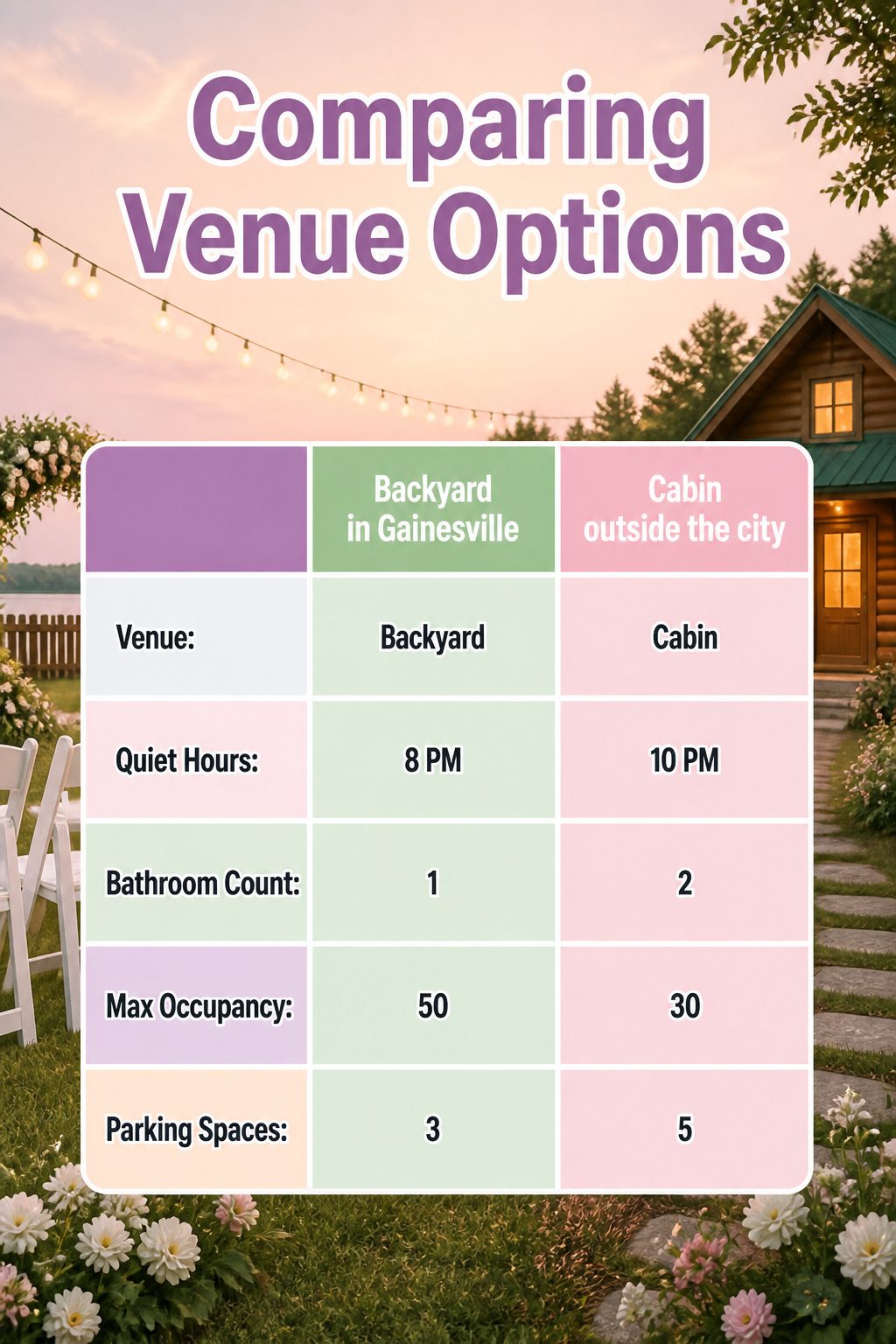
A backyard in Gainesville or a cabin outside the city looks effortless until you realize quiet hours start at 8 pm and the nearest bathroom is a hundred yards from the tent.
I have seen couples fall in love with a lakefront Airbnb on a Thursday, sign the contract, and only learn on the walkthrough that the host caps occupancy at twelve and the driveway fits three cars.
The questions to ask upfront are parking, bathroom count, noise ordinances, and whether the host even allows events. Some do not, and their insurance does not either.
State park day-use areas run closer to a few hundred dollars and already have tables and benches, but you will haul every plate, glass, and ice chest in and back out.
That tradeoff is labor for budget, and it only works if your guest list is small enough that one truck of rentals covers it.
Restaurants with private dining rooms or a full buyout remove the rental math entirely.
You get the kitchen, the staff, the cleanup, and the built-in atmosphere, though you lose control over the timeline and the menu boundaries. For a weekday, the rate often drops enough to make a buyout competitive with a staffed rental.
A true venue rental on a weekday, around thirty guests, gives you the kitchen and bathrooms without the DIY stress.
You pay more than a park, less than a Saturday wedding package, and your guests relax because setup is not their job. The constraint is built-in: the room holds what it holds, and that number sets every later decision.
Food and Menu Planning
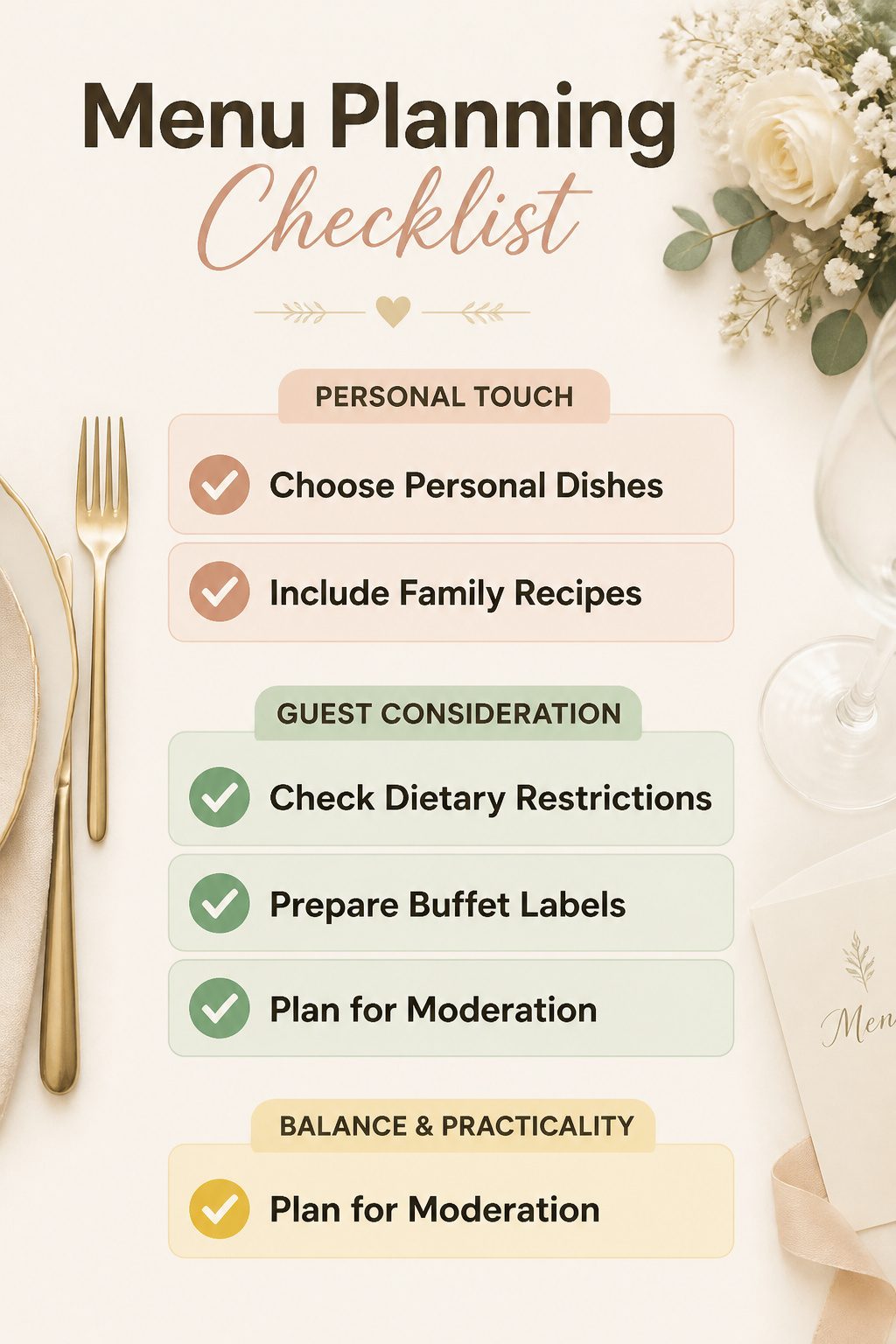
A menu built around what you actually like to eat beats one built for show.
I have seen couples serve grandmother’s marinara or the noodles they ate on their first date, and the room quiets in a way no roast-beef carving ever manages.
The trick is making that personal dish safe and filling for everyone at the table.
Dietary restrictions are not a footnote to handle two weeks out.
The RSVP card or wedding website should ask directly about allergies, vegan needs, and gluten-free requirements, because a caterer with real lead time can build those options into the same menu rather than tacking on sad afterthought plates.
Clear labels at any buffet line or a dedicated plated course keep guests from having to ask, announce, or guess.
Family recipes carry weight, but so does crowd-pleasing.
Two ways to play this: pick one sentimental dish as a course and let the rest of the menu absorb the practical constraints, or thread personal touches into details like the bread basket or the sauce while keeping the main proteins familiar.
The first wins when the recipe travels well; the second wins when Aunt’s famous casserole does not scale past a kitchen table.


PREMIUM SATIN FABRIC: Crafted from high-quality polyester satin with a silky-smooth texture and elegant sheen, these 12 x 12 inch cloth napkins instantly elevate your table décor while offering durability for repeated use.

SHIMMERING NEUTRAL FOR GLAMOROUS TABLES — Silver pocket napkins pair with white, navy and gold for weddings, New Year’s Eve, anniversaries and winter galas. Slide in silverware or a menu card; 55 GSM airlaid paper drapes like real linen for a luxe cover.
Decor and Ambiance
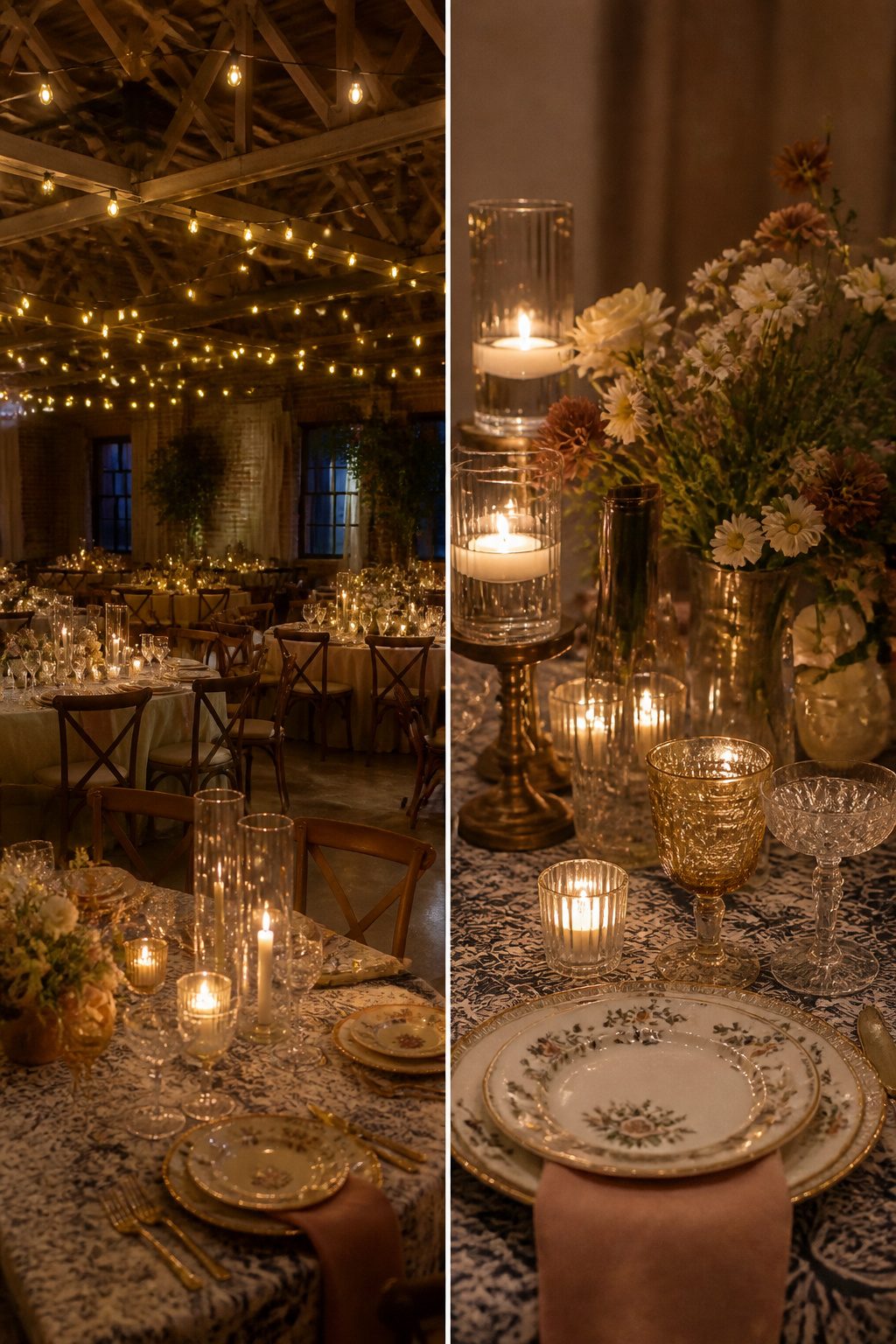
Warmth at a dinner-party reception comes from what you dim, not what you buy.
I start every lighting plan by turning the overheads down to about a third of what the venue thinks is normal, then build back up with candles.
Votive clusters down the center of each table give guests enough glow to see their plates without killing the intimacy.
The mistake I keep making is adding too many tea lights; last spring I set forty across twelve tables and the room looked like a vigil.
Twenty, spaced so each guest feels their own pool of light, is the cleaner number.
For table settings, one elevated piece does more than a full rental overhaul.
Pretty glassware guests lift with each sip, or a single vintage vessel tucked between plates, signals this is an occasion. Curated custom china at a restaurant venue works the same way, personalizing a space you do not own.
Florals turn a rented room from everyday to special, and because you are not spending on typical wedding line items, you can push further here than the budget usually allows.
Textiles finish it: linen napkins that have been washed soft, a runner with some drape. Mixing patterns of china or bringing in unique chairs keeps the night relaxed, not staged.
Guest Interaction
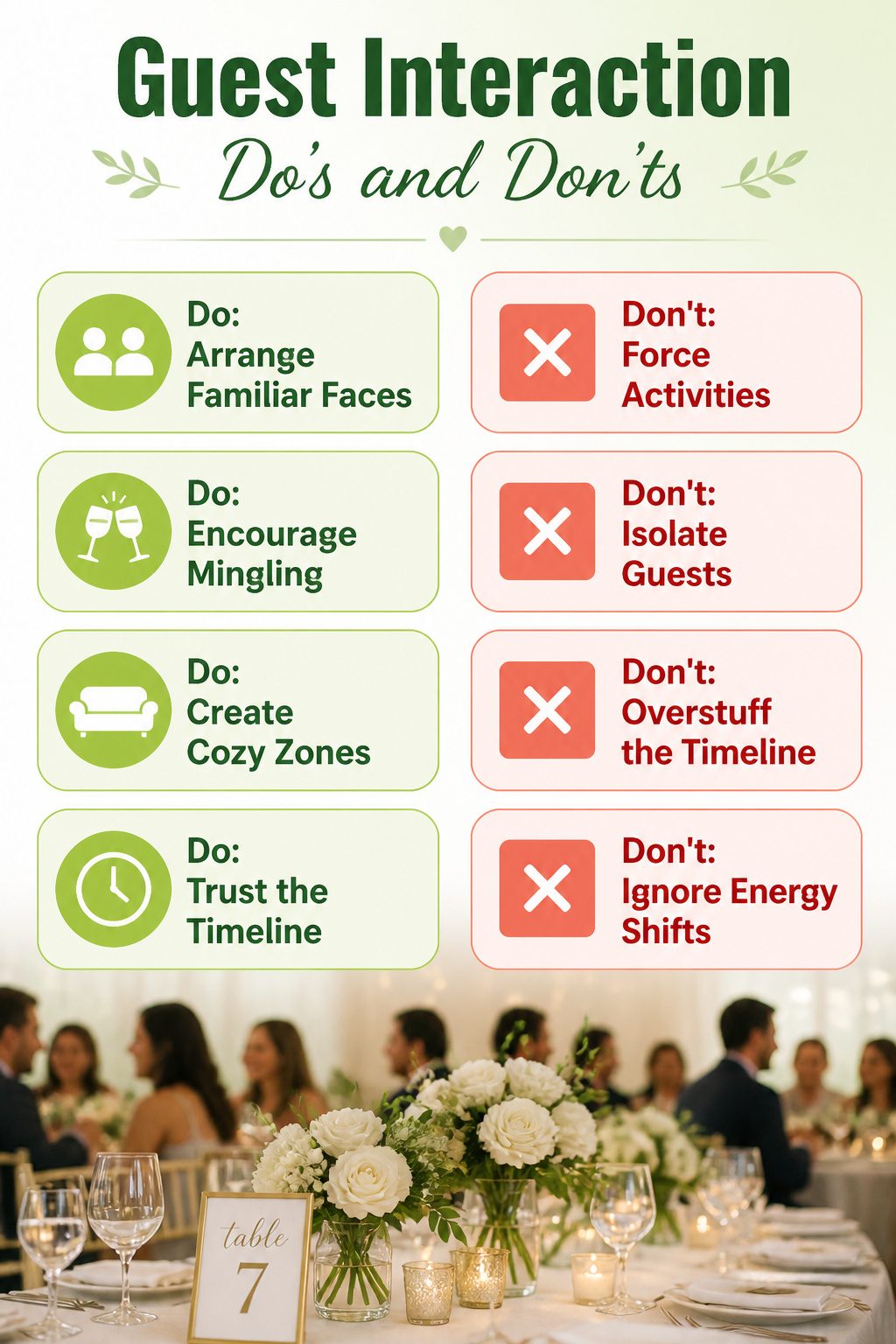
Seating arrangements at a small wedding dinner carry more weight than couples expect.
I learned this the hard way at a Gainesville reception where I placed two longtime friends at opposite ends of a single long table, thinking the linear setup would spark new conversations.
Instead they spent the evening passing notes through intermediaries like middle schoolers, and the energy between those seats stayed flat for the full sixty minutes of service.
The format itself shapes whether guests mingle or stay anchored. A cocktail-style reception with food stations naturally circulates people; guests graze, drift between high-top tables and lounge seating, and conversation happens in clusters that form and dissolve.
Last year I watched a couple’s pasta bar setup do exactly this, and by 8:00 PM their college roommate was explaining tax law to the groom’s grandmother, a pairing no chart would have predicted.
Sit-down family-style dining keeps guests fixed with the same four to eight people for the full hour to ninety minutes, which rewards careful neighbor selection and punishes random placement.
For seated dinners, the useful rule is one familiar face plus one new connection per guest.
I still use this after that long-table failure. The couple had followed the instinct to separate couples and scatter friend groups, but without a common thread to bridge strangers, plates emptied in near silence.
Quiet zones away from any music or kitchen noise matter more as the evening softens.
Leather sofas and ottomans placed at a slight remove from the main table, styled after a hotel lobby rather than a reception hall, give guests permission to step out of performance mode.
At a micro wedding I coordinated, the groom’s sister used that lounge to decompress after an emotional toast, then returned to the table renewed. Without it, she would have left early.
Trust the timeline more than forced activities. Thirty to forty-five minutes of cocktails, sixty to ninety minutes of dinner, then toasts and cake as a natural wind-down signal, lets energy rise and fall on its own.
The celebrations that feel stiff are usually the ones where someone tried to program every minute.
Frequently Asked Questions
What are some unique ideas for an intimate wedding reception?
Hiring a private chef, booking a restaurant buyout, hosting at home or an Airbnb, throwing an outdoor picnic or campfire dinner, and planning a themed dinner party all work beautifully for smaller guest lists.
Each option trades some element of control for intimacy, whether that means custom plate quality at a private estate or borrowing the built-in atmosphere of a favorite local restaurant.
How long should a wedding dinner last?
Budget at least ninety minutes for the meal itself, not counting toasts or cocktails.
Family-style dining in particular needs that stretch because shared dishes move slower than plated ones, and rushing the passes turns the evening into something frantic rather than celebratory.
What should I consider when planning a wedding menu?
Build around dishes you actually enjoy eating rather than what looks impressive, and ask about allergies, vegan needs, and gluten-free requirements on the RSVP card or wedding website so the caterer can weave those options into the full menu.
Sentimental recipes work well as one course while keeping the rest familiar and filling for a crowd.