The single best way to stretch a floral budget is moving your ceremony flowers to the reception, but that only works if someone plans the handoff.
Without a venue coordinator or extra pair of hands carrying altar arrangements during cocktail hour, stems sit in buckets and lose an hour of display time.
Bridesmaid bouquets cluster into centerpieces with a rubber-band wrap and a low vase, and a flower wall rented for the ceremony can frame your sweetheart table two hours later, getting two photo moments from one fee.
1. Ceremony Backdrops
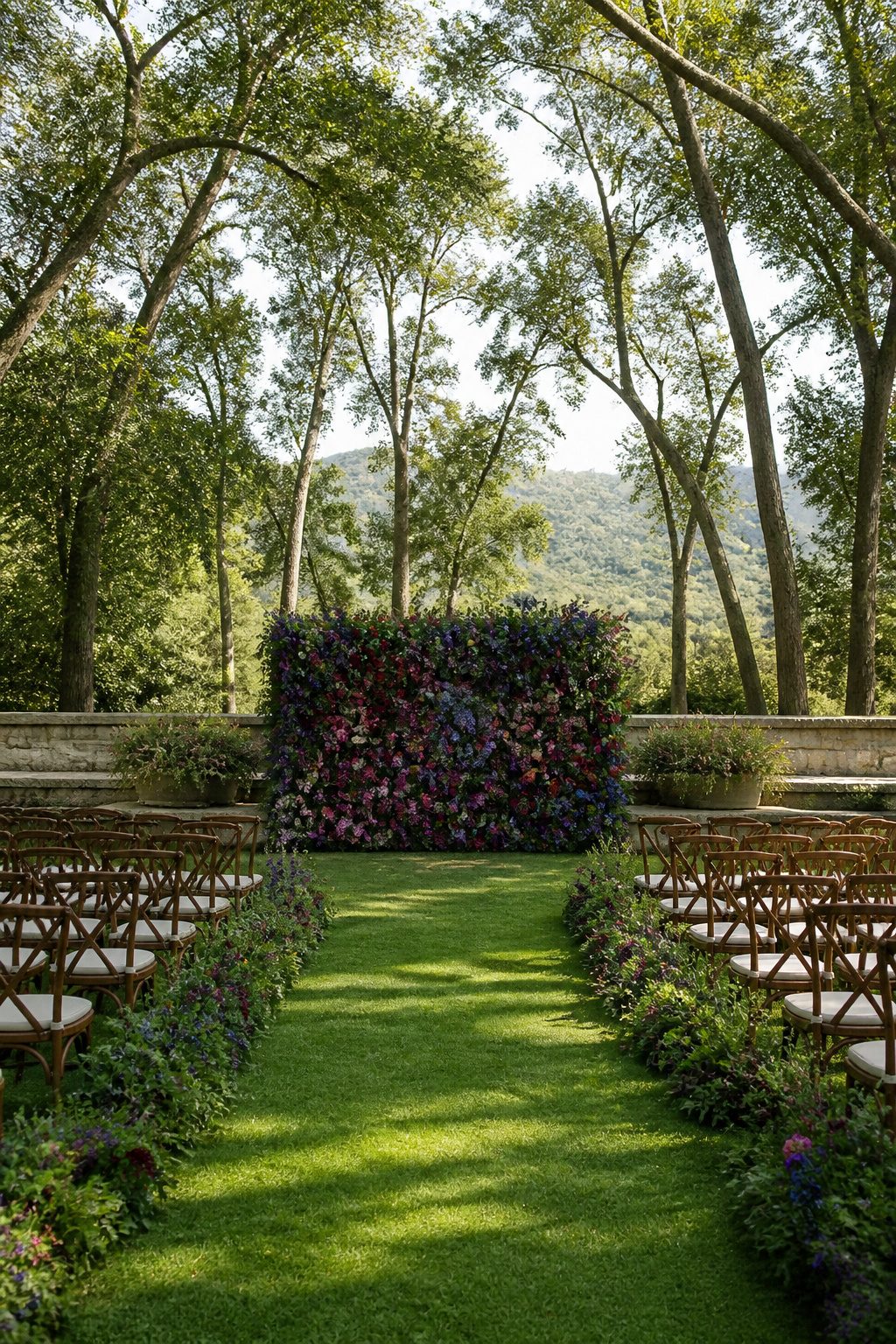
The first thing guests notice when they arrive at your ceremony isn’t the program or the music.
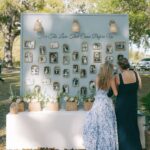
It’s the backdrop behind where you’ll stand. Flower walls make the biggest immediate statement, turning a plain wall or rented frame into a full surface of blooms that reads as luxury even from the parking lot.
I’ve seen couples build these on pipe-and-drape frames or rent prefabricated panels, and the cost difference is steep enough that you should price both before committing.
Greenery garlands run the opposite direction, and that’s their strength.
Eucalyptus or ferns drape softer than flowers, cost less per foot, and compost cleanly after the night ends. They work especially well on arches or as runners down a wooden structure where you want the venue itself to stay visible.
Suspended floral arrangements hang above the aisle or altar from rigging points or shepherd’s hooks, and they’re the trickiest of the three.
Weight limits, wind if you’re outdoors, and the labor to install them make this a hire-a-pro choice, not a DIY morning-of project.
One practical move I keep seeing: couples who rent a flower wall for the ceremony transfer it to the reception behind the top table, getting two photo moments from one rental fee.
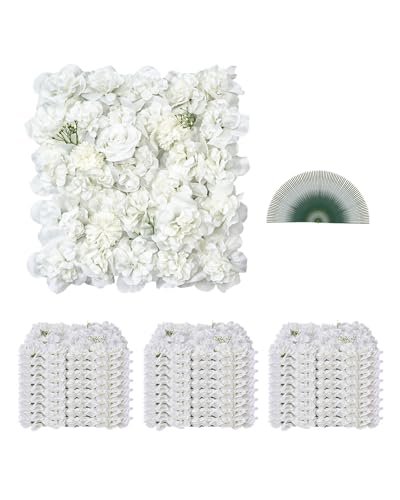
3D Textured Petals: Made from high-quality PE material, the 3D combination of petals offers a more realistic and vibrant look. The natural layering of colors adds depth and complexity, creating a rich and multi-dimensional plant wall design

🏠 VERSATILE EVENT DECORATION & HOME DÉCOR: Perfect for transforming any space into an elegant environment. Ideal for weddings, anniversaries, birthday parties, baby showers, Valentine’s Day celebrations, engagement photos, and everyday home décor. Use indoors or outdoors to create romantic atmospheres, professional photography setups, or stunning accent walls that impress guests and clients alike.

【Curtain Lights for Backdrop Package】You will get 2 panels champagne sheer backdrop curtains. Each sheer curtain panel measures 5 feet wide x 10 feet high. Apart from this, you will also get a set of 9.8ft warm string light and 12pcs transparent clips (USB Powered). You can change the settings of the lights to different effects and speeds, it's so beautiful. We suggest you can buy more tulle backdrop curtains if you want more of a fuller look and less sheer.
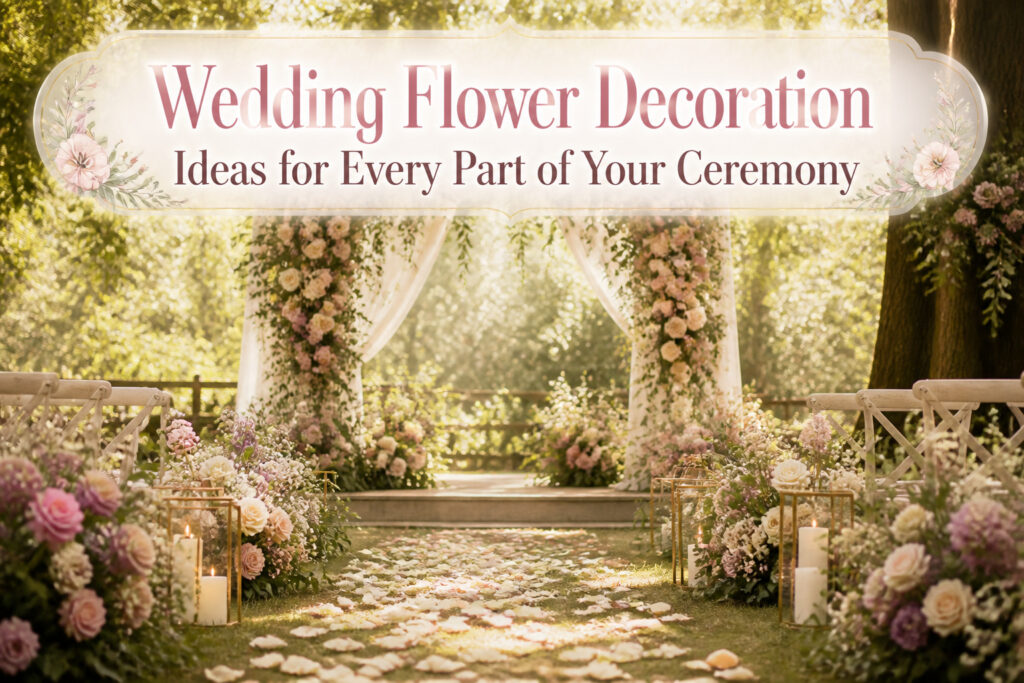
2. Aisle Decorations
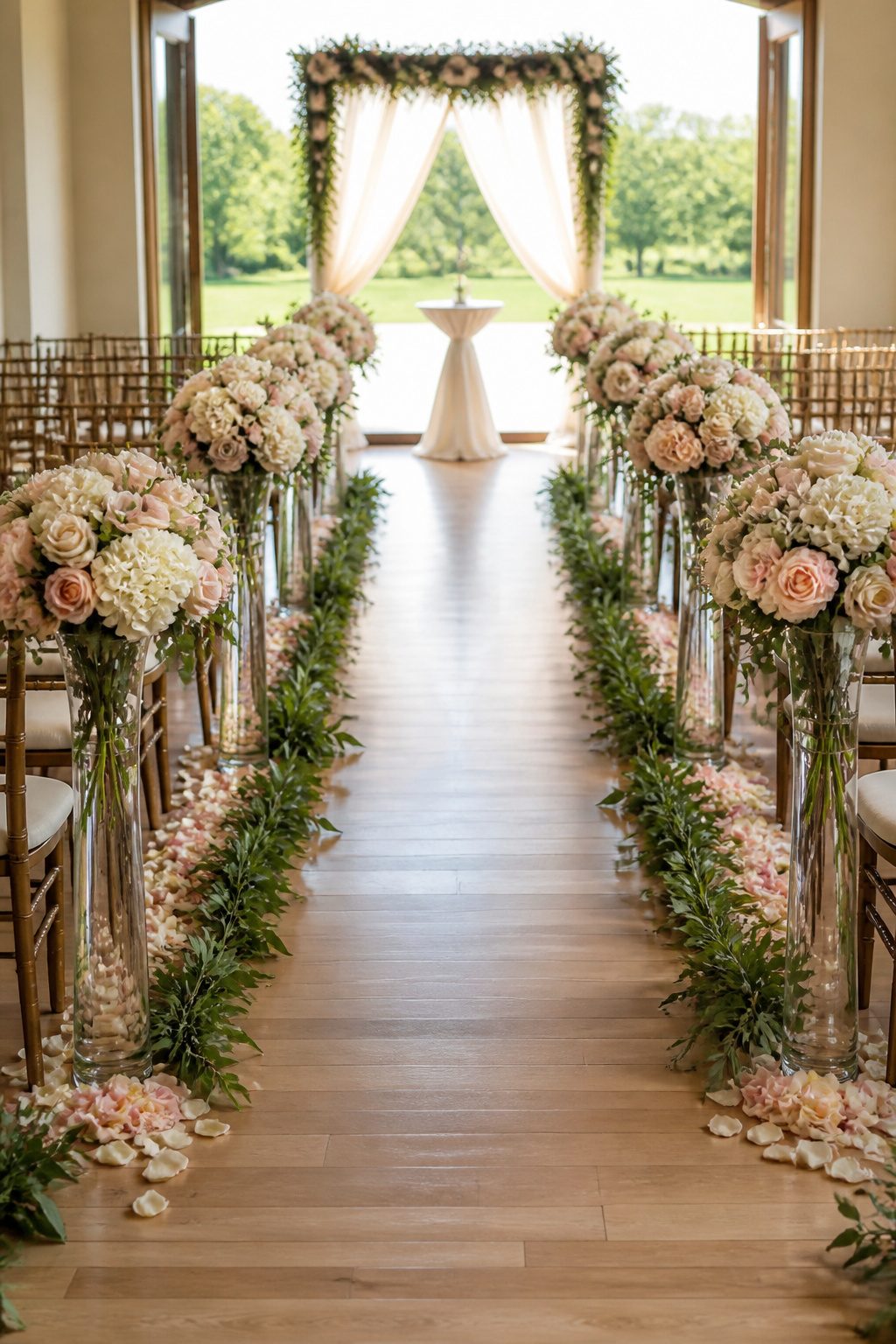
The aisle is the one path every guest watches at the same moment, so the rhythm of what sits along it matters more than the size of any single piece.
Tall vases with blooms placed at the entrance and then again every third or fourth row mark time like a pulse, slowing the eye so the walk feels deliberate and long.
Scatter petals between them and you lose that punctuation; the eye slides straight to the altar without the stops that build anticipation.
Greenery runners across the aisle floor read as modern and clean, but they ask for a flat, even surface.
Outside on grass, the same runner bunches and lifts. I would skip it unless the ceremony is on a hard floor or a level deck.
Pew ends and chair backs take the decoration into the seating itself.
A small arrangement tied with ribbon at the aisle-side edge of each row works in almost any venue, and the pieces can move after the ceremony to hang on reception chairs or drop into bud vases for the tables.
If that reuse matters to you, tell the florist upfront so the scale and water source are built for it.
I have seen too many couples assume this transfer is automatic and end with arrangements too heavy for chair backs or too tall for centerpieces.
Petals are the cheapest option and the riskiest. Wind takes them.
Heels catch them. A light toss down the center just before the processional looks romantic for about four minutes, which is often exactly long enough.

Wedding Aisle Decoration Set: you will receive 6 16 oz haning mason jars with metal handles, 6 artificial peonies, 18 artificial baby's breath, and 6 black metal shepherd hooks; This apposite and abundant set is suitable for creating a stunning wedding aisle, helping you decorate your wedding venue and making your special day even more unforgettable

Package: Set of 4 pre-made flower centerpieces. Arrangements come with vases and 2pcs place cardholders.

【Elegant Geometric Design】:Gold vases centerpieces for wedding feature a refined hourglass-shaped silhouette that brings visual balance and height to table displays. This geometric metal flower stand for tables includes three coordinated sizes—Small 7.09 × 19.7 in, Middle 8.86 × 26 in, and Large 8.86 × 31.1 in—finished in modern gold with clean lines, making wedding centerpieces for tables look structured, graceful, and visually coordinated across events.
3. Wedding Bouquets
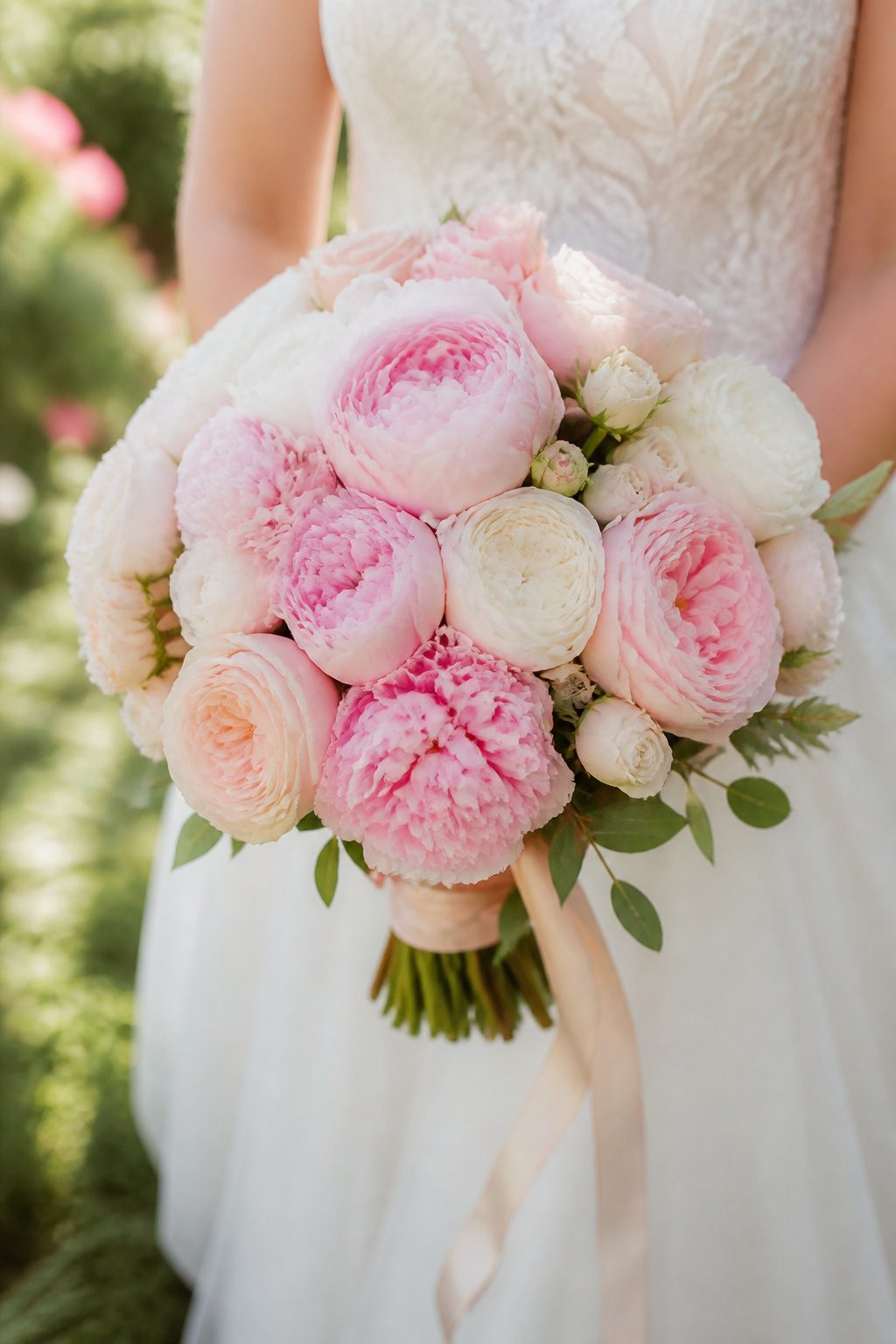
A round bouquet keeps the silhouette tight and controlled, with stems gathered evenly so the blooms sit in a half-sphere.
It photographs cleanly from every angle, which matters because no single floral piece gets more camera time than what the bride carries.
Peonies and garden roses fill out that shape with soft, layered petals, though they run toward the expensive side per stem.
Cascading bouquets spill downward in a teardrop or waterfall shape.
They demand more flowers and more labor to build the armature underneath, so the budget jumps accordingly. Ranunculus works here for its delicacy, but the real cost driver is the volume and the wiring time.
The crescent shape curves like a sickle moon, wider at the top and bottom than in the middle. White orchids and calla lilies suit this line well because their stems stay straight and their forms read clearly against negative space.
Hydrangeas can anchor the curves with mass, though they need water constantly and wilt fast if the day runs long.
Style choice shapes budget more than flower choice does.
A round bouquet of premium peonies still costs less than a cascade of modest carnations because labor and construction time dominate the florist’s quote. Ask to see the breakdown: stems, labor, and mechanics each as their own line.

Packaging: bulk package includes 24 sets of ethereal white tulle, 24 lifelike white calla lily, 2 rolls of white ribbons and 72 stems of white baby's breath, this wedding chair decorations provides everything needed to create a lush, high-end floral walkway that captivates every guest, offering an enchanting romantic touch to your special wedding day; Note: main image displays decorative effect created by 2‑set accessories; You can freely match extra pieces to enrich your decoration as needed

Elegant White Rose & Eucalyptus Design: Create a stunning wedding aisle with these beautifully crafted chair decorations featuring realistic faux roses in pure white, paired with lush eucalyptus greenery. The classic combination of white blooms and silvery-green foliage creates a timeless, romantic look perfect for any wedding theme—from traditional church ceremonies to outdoor garden receptions

Packaging details: This is a set of 6 pre made chair back decorative flowers for use in wedding corridors and outdoors. The overall navy blue color scheme is very suitable for seaside weddings and wedding decorations
4. Reception Centerpieces
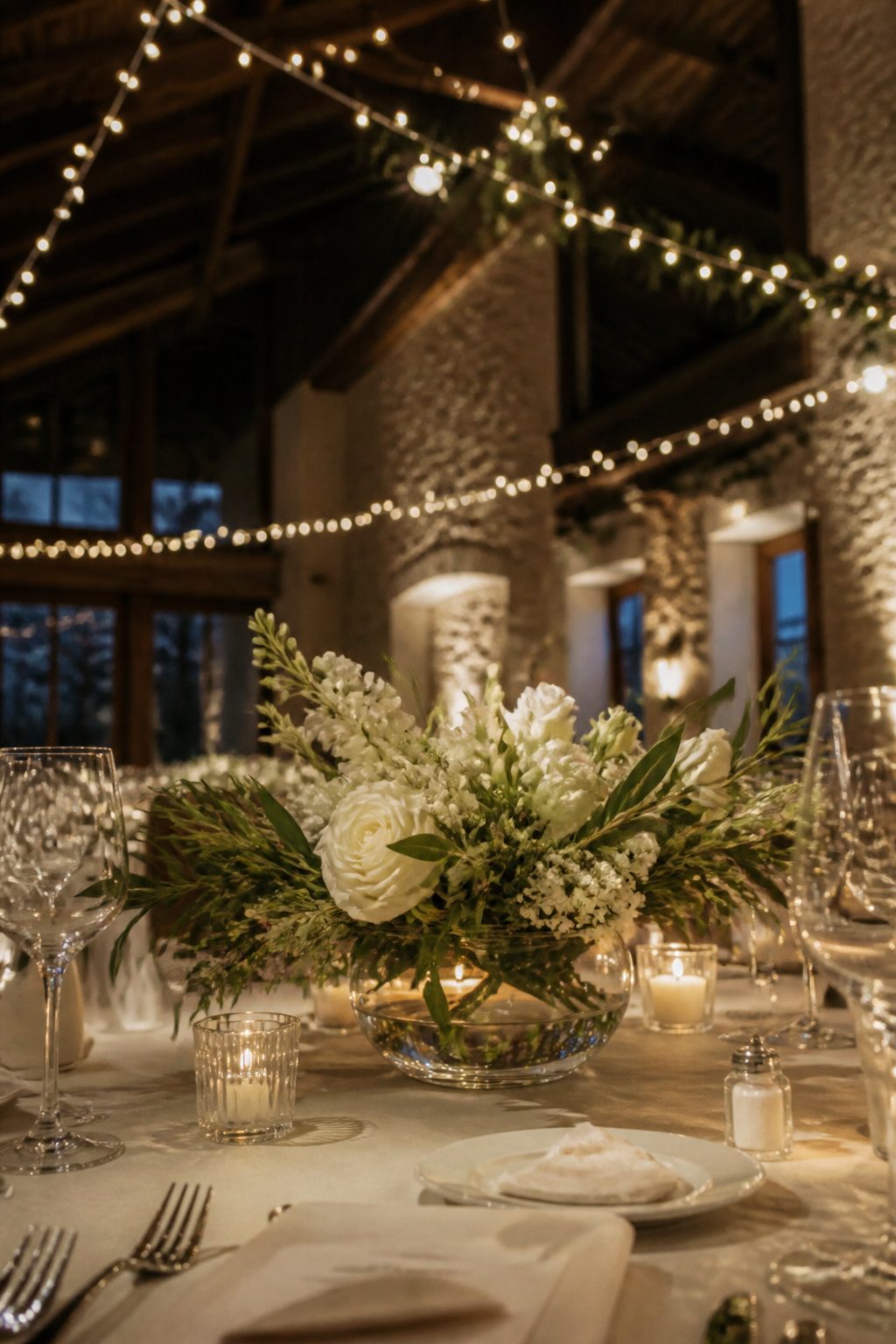
Tall centerpieces in wide trumpet vases or on raised stands create drama from the entrance, and in a ballroom with high ceilings they fill the vertical space so the room does not swallow your tables whole.
The catch is what happens once guests sit down: a wall of stems and blooms at eye level turns the people across from you into silhouettes, and conversation across the table becomes a game of peeking around hydrangeas.
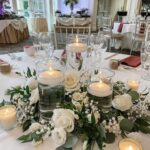
Low-lying arrangements, kept under twelve inches, leave sightlines open so the couple at table fourteen actually sees the couple at table twelve, which matters more than most couples realize until the toasts start and nobody can see the speakers.
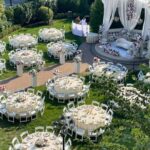
The room shape decides which approach wins. Long banquet tables in a narrow space already fight for width; low runners of greenery and scattered bud vases keep the room feeling wider than it is.
Round tables in a square or open-concept venue have more breathing room, and one elevated centerpiece per table gives guests something grand to look at without the same blocking problem because the sightlines radiate outward, not straight across.
Mixing the two, tall on some tables and low on others, breaks the rhythm in a way that reads as design rather than budget compromise.
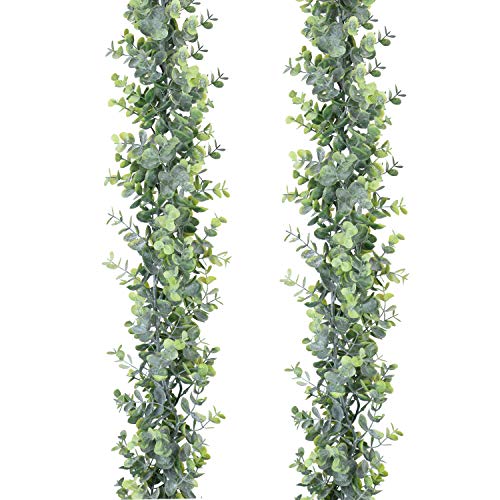
Quantity:2 Pack Faux eucalyptus garland , Each pack with 134 Pcs large fake eucalyptus leaves, total 268 Pcs Eucalyptus Leaves,This eucalyptus garland has many branches,Looks very realistic and Three-dimensional.
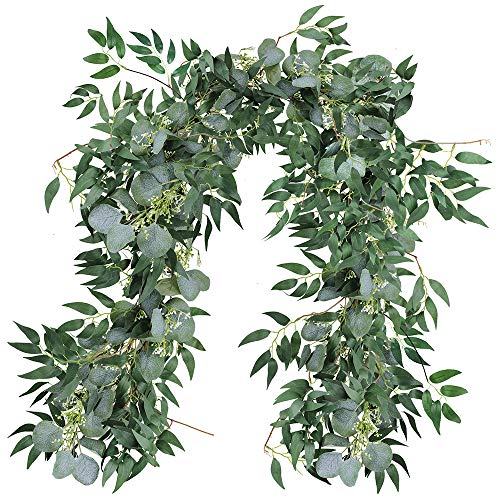
Quantity: Comes In Faux Silver Dollar Eucalyptus Leaves Garland and Willow Leaves Twig Vine Garland Which Have Been Intertwined Together. Do a little fluffing when out of the package,it will be turned out beautiful. This Greenery Garland includes 54 Eucalyptus Leaves Branches and 35 Willow Leaves branches.

Quantity:6 Pack Faux eucalyptus garland , Each pack with 134 Pcs large fake eucalyptus leaves, total 268 Pcs Eucalyptus Leaves,This eucalyptus garland has many branches,Looks very realistic and Three-dimensional.
5. Chair Decorations
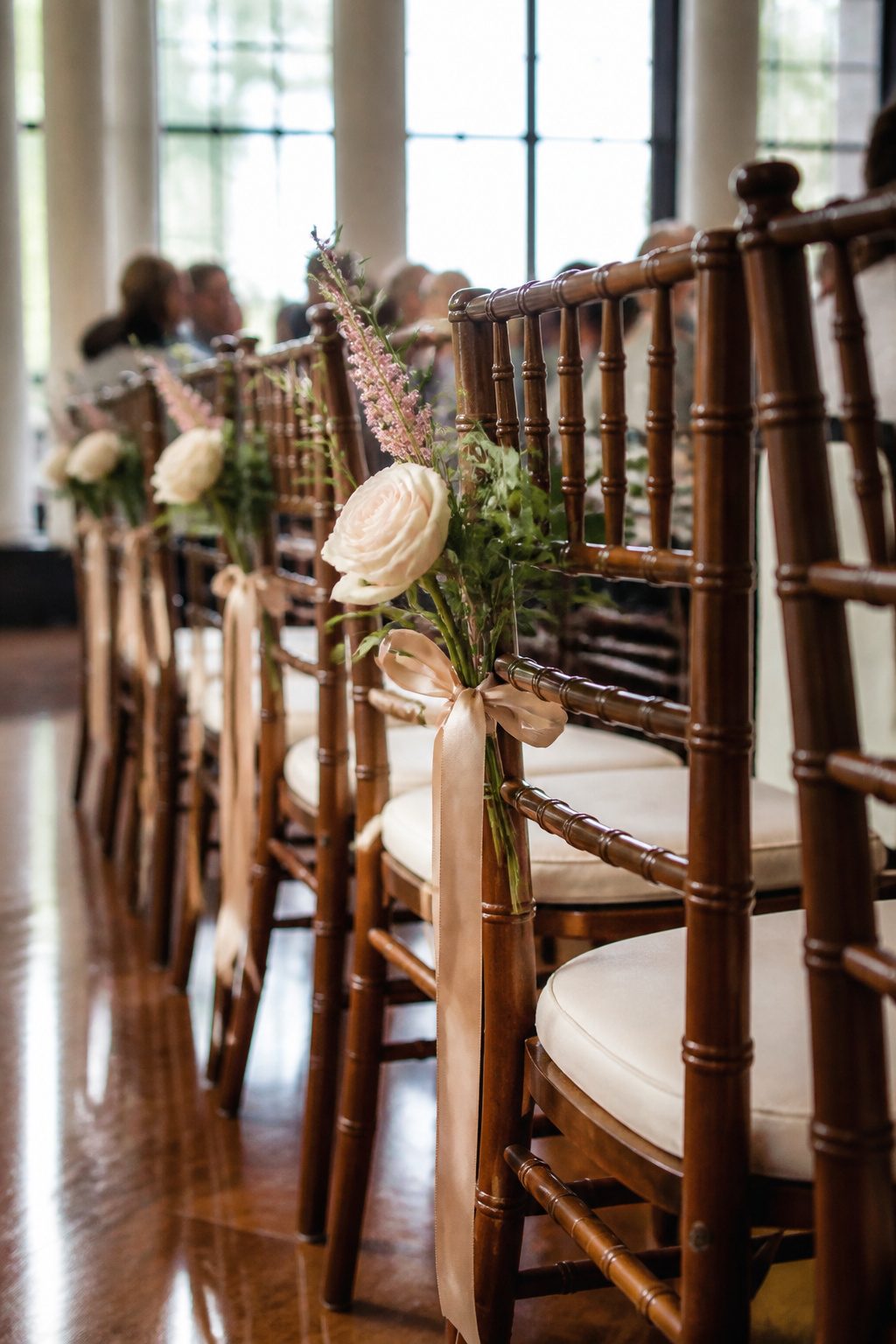
Small posies tied to chair backs work best on ceremony seating with solid rails or slats that can take ribbon tension without wobbling.
Chiavari chairs and most banquet hall chairs have thin, hollow backs that shift under even light weight, so a single stem in a bud vase clipped to the rail stays put where a swag would spin or droop.
The transfer trick saves money: pew ends and aisle markers from the ceremony move to the top table chairs at the reception, or drop into bud vases to become centerpieces if your florist builds them on matching mechanics.
Guests notice the gesture, not the scale. A ribbon-tied rose brushing a shoulder during the ceremony registers as intimate; the same rose in your photographer’s frame reads as a planned accent against white linen.
Greenery swags photograph fuller and cost less, but they need sturdy chair backs or they sag by salad course.
Skip the hanging garlands entirely on rental chairs with damage clauses; the clips scratch, and the deposit hits your budget harder than the flowers did.

Natural Wedding Aesthetic: these 4 pack standing wedding flower arrangements(21.65" x 13.78 ") feature pink roses, white blooms, and lush greenery. Their design fits perfectly with modern, rustic, or vintage wedding themes, adding elegance to any ceremony

Size: The dimensions of the arrangement are 36" in height and 15" in width, and the stand base diameter is 6.5". Kindly Note: The flowers may bend slightly during shipping and packing. To restore their shape, kindly refer to the product video and gently knead the wedding flowers.

SIZE: The product's dimensions inside the box are 13.7"(W) x 18.9"(H). Flower Height:18.9inch. Foliage Height: 23.2inch, making it ideal for easy shipping and convenient storage. After unboxing, no tools are needed, just manually bend the flower and leaf stems to stretch it into a full display, perfect for shelves, mantels, or tabletop decor. Please note that the aisle flowers may bend slightly during shipping and packing.
6. Floral Installations
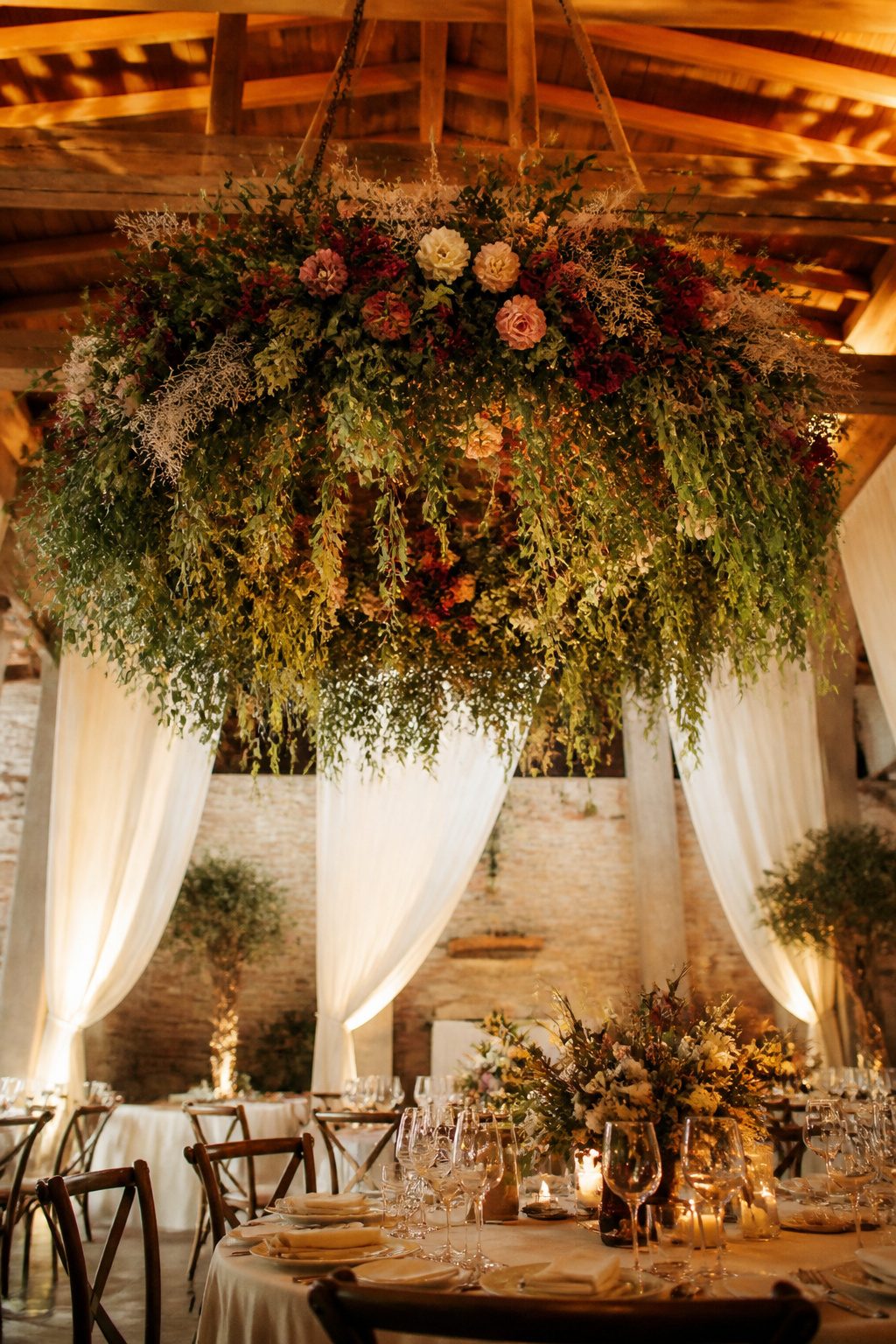
Suspended floral chandeliers draw the eye upward and turn a plain ceiling into the ceremony’s most photographed corner.
Most venues built after 1980 lack the rigging points these pieces require; a beam that looks solid may be decorative drywall over steel that can’t take lateral load.
I always ask for the venue’s structural drawings before promising a couple anything that hangs.
Wall gardens and oversized backdrops work where suspension doesn’t. A full-height greenery wall behind the officiant needs no engineering review, costs about the same as a mid-tier suspended piece, and photographs with the same density.
The trade-off is floor space: that wall eats six to eight feet of depth that cocktail tables or a band setup would otherwise use.
Venues with exposed beams or installed rigging are the ones where suspended florals stop being theoretical.
Without that infrastructure, the rental of truss, motors, and a rigger often doubles the floral budget itself. I have walked couples through that math more than once, and the ones who pivot to a ground-based piece rarely regret it.
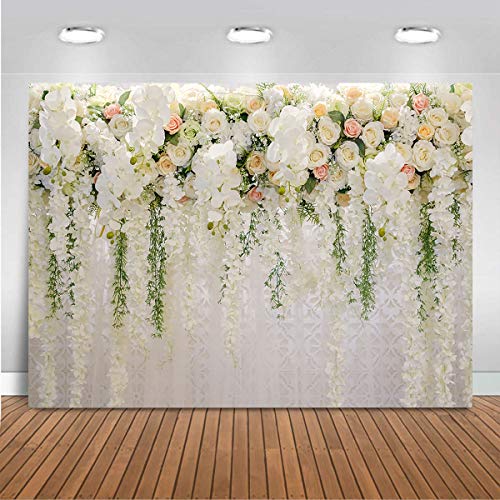
Vibrant Color & Original Design: The flower wall backdrop you will receive is digitally printed in high quality resolution with an original design that creates a warm and pleasant atmosphere to liven up your party.

Package include :10 pcs flower,7 inch*5pcs and 9inch*5pcs.Colour in pink, light blue,hot pink,orange and light purple.Big size is suit for decorating a large area

[Package Details]: Available in multiple sizes. Each order includes one backdrop only. Item ships folded. Stand, pole pockets and clips are not included.
7. Repurposing Floral Arrangements
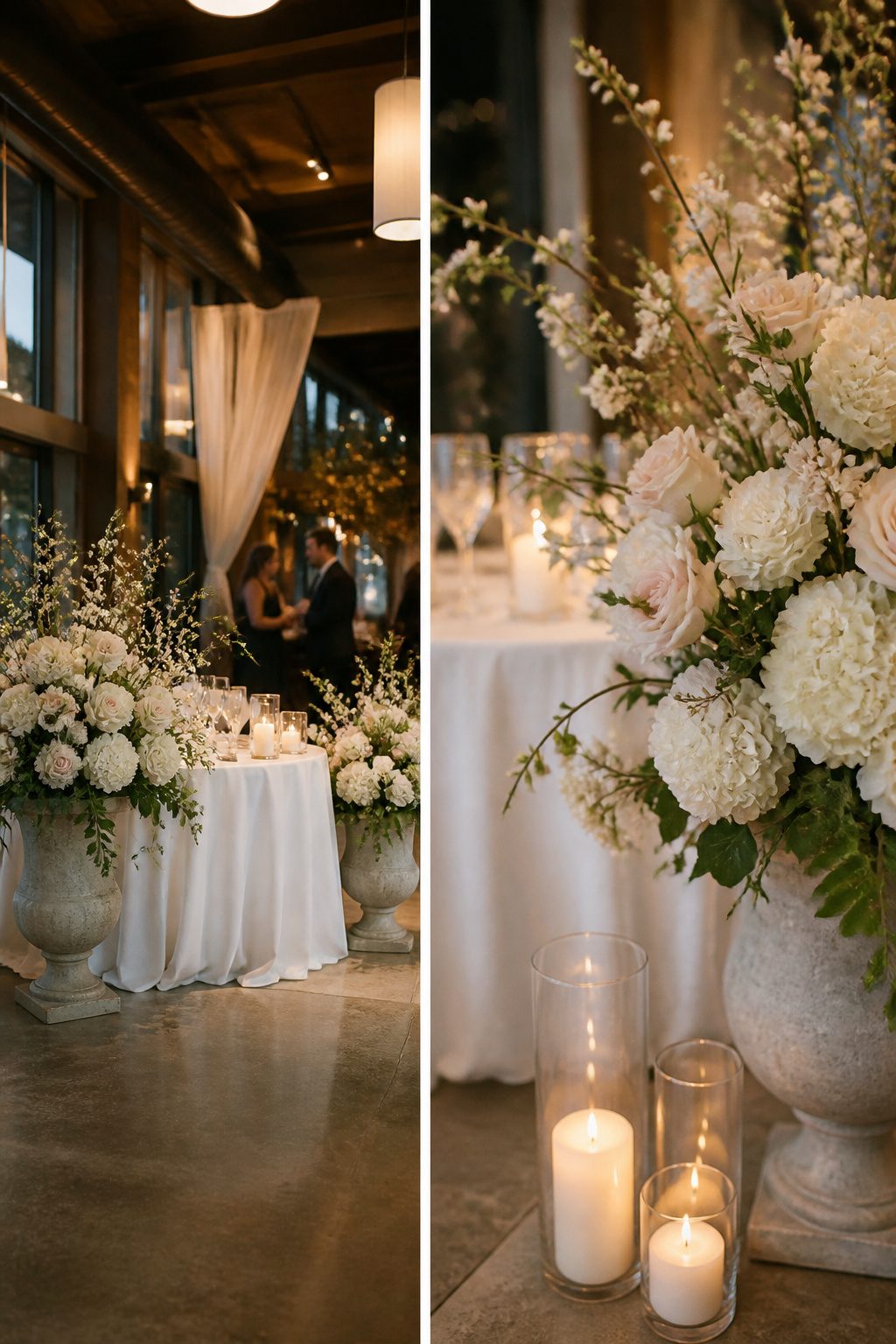
The arch you spent the ceremony budget on can frame your sweetheart table two hours later, or anchor the bar so guests notice it twice.
Moving flowers from ceremony to reception is the single best way to stretch a floral budget without making the room look thin.
I have watched couples forget to plan the move and lose an hour of display time while stems sit in buckets. The fix is simple: tell your venue coordinator or planner the exact handoff.
Altar arrangements transfer straight to reception tables if someone carries them during cocktail hour. Aisle markers work even better as cocktail accents, because their low profile does not block conversation.
Bridesmaid bouquets cluster into centerpiece elements with a quick rubber-band wrap and a low vase.
The bridesmaids usually set them down anyway to dance; collecting those stems and grouping three or four at a guest table takes one minute and reads as intentional design.
The risk is water damage on linens, so wrap bases in foil or keep trays underneath.
Done right, the same flowers carry one cohesive look from vows to last call, and the savings run high enough to justify hiring the extra pair of hands to execute it.

Hang wedding flowers on church pews in watertight pot

TWO TALL 30-INCH STEMS — This 2-pack of red silk rose buds stands a dramatic 30 inches, perfect for filling floor vases and statement arrangements.

COMMANDING VERTICAL PRESENCE: Standing at a graceful 36 inches, these white gladiolus stems provide immediate architectural height and a stately silhouette, making them the perfect focal point for grand floor vases and entryway displays.
8. Eco-Friendly Floral Options
The carbon math on wedding flowers is steeper than most couples expect. Shipping blooms across time zones burns more fuel than the flowers themselves cost, which is why local sourcing shifts both the footprint and the palette.
A Gainesville spring wedding in 2026 will have access to zinnias, sunflowers, and lisianthus that peak within a hundred miles; a January ceremony narrows that field and pushes you toward what greenhouses can grow regionally or forces hard choices about imports.
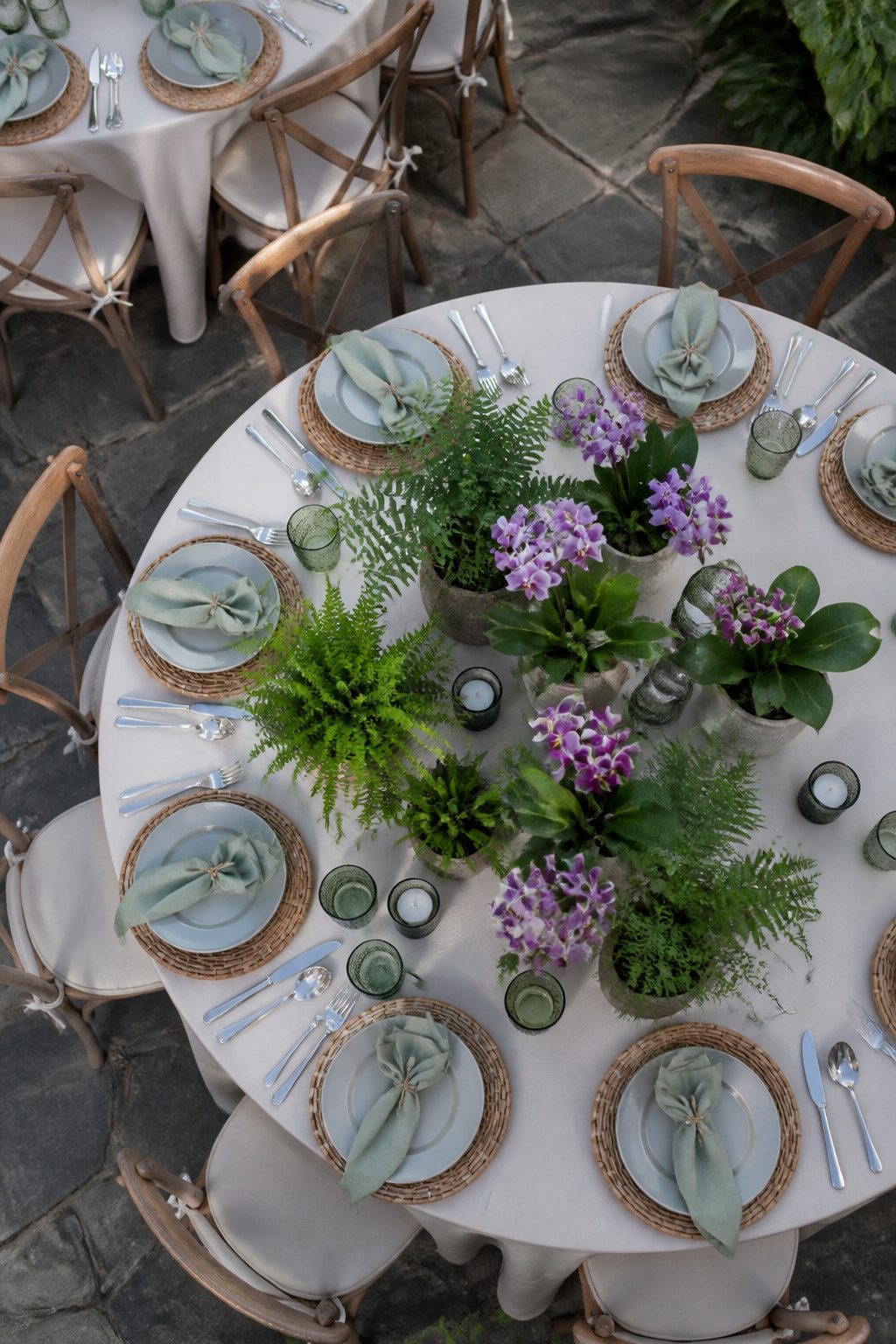
I have seen potted orchids and ferns used as centerpieces at two weddings now, and the practical question guests always ask is what happens after the last dance.
The answer depends on the couple’s living situation. Plants headed home with family need to survive a car ride and a windowsill; ones the couple keeps need a garden plan or a patient friend with shelf space.
Dried arrangements sidestep the question entirely. Their texture reads vintage rather than rustic, and they hold up through heat and handling in ways fresh stems do not.
The tradeoff is upfront selection: you are buying the finished look, not letting it open in water overnight, so the stems must arrive exactly as you want them.
9. Unique Floral Elements
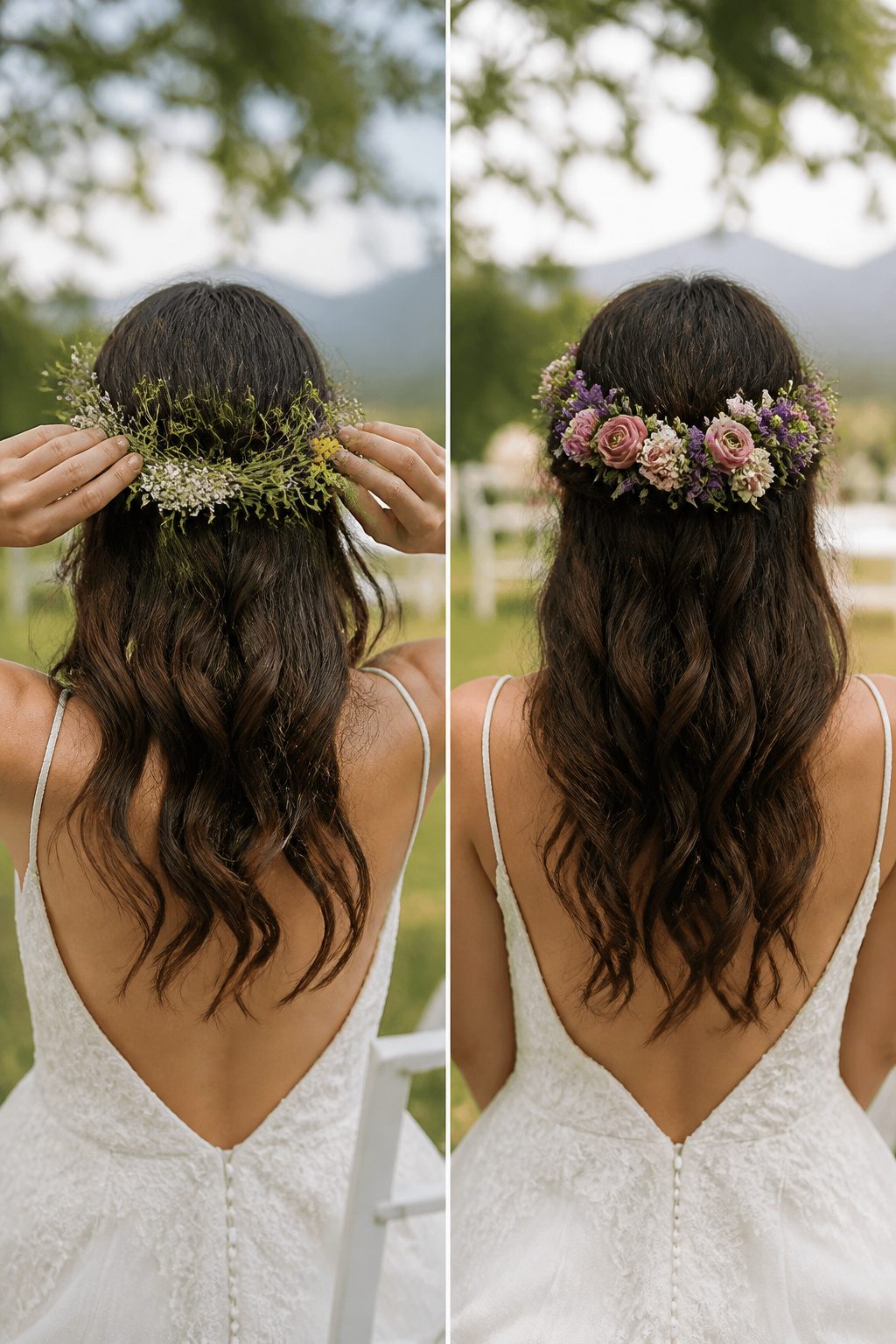
Flower crowns sit somewhere between jewelry and bouquet, and that dual role is exactly why they work for a 2026 ceremony.
A crown made from locally sourced blooms ties the bride’s look to the same seasonal palette running through the rest of the décor without duplicating it.
The risk is heat: a crown that looks full at 10 a.m. can flatten by 2 p.m. if the stems are fragile. I have seen photographers quietly nudge brides to schedule outdoor portraits before the ceremony for exactly this reason.
Potted plants shift the entire economics of table décor.
Orchids or ferns in ceramic containers run the centerpieces, then become favors guests actually take home. The unit cost often lands below an equivalent fresh arrangement of similar visual weight, and there is no strike-against-the-clock breakdown during the reception.
What you lose is the loose, architectural shape of a professionally arranged bouquet. A potted plant reads more structured, more contained.
Sola wood flowers are the option couples bring up after they have priced fresh peonies for a spring wedding and watched the per-stem cost multiply by forty centerpieces.
These are hand-shaped from tapioca wood, dyed to match specific dress brands like David’s Bridal or Azazie, and they arrive months ahead without wilting.
They photograph with a matte, slightly velvety texture that reads as flower in medium shots and as craft in tight macro.
Guests rarely identify the material unless they handle the bouquet directly. The trade is motion: sola wood stays where it is placed, so the slight tremor of fresh petals in outdoor light is gone.
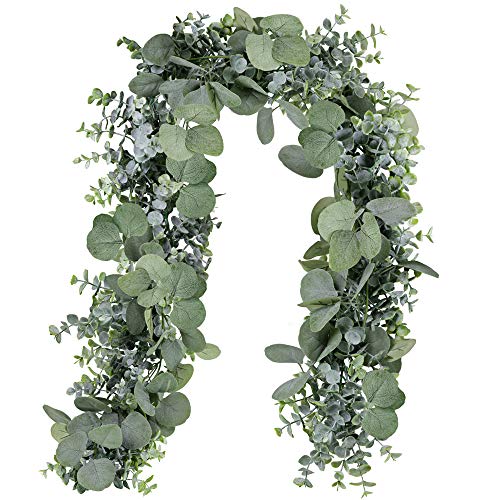
5.9' Long Faux Eucalyptus Leaves Greenery Garland Artificial Silver Dollar Eucalyptus Garland in Grey Green Blended. They won't wilt or fade and are easy (and lightweight) for destination weddings!

[PACKAGE & SIZE]: The package includes 8 pack artificial eucalyptus garlands in around 5.6 feet length each. Each leaves garland contains 134 fake eucalyptus leaves, a total of 1072 fake eucalyptus leaves. They can be twisted together to look denser.

Quantity:4 Pack Faux eucalyptus garland , Each pack with 134 Pcs large fake eucalyptus leaves, total 268 Pcs Eucalyptus Leaves,This eucalyptus garland has many branches,Looks very realistic and Three-dimensional.
Flower Types That Hold Up
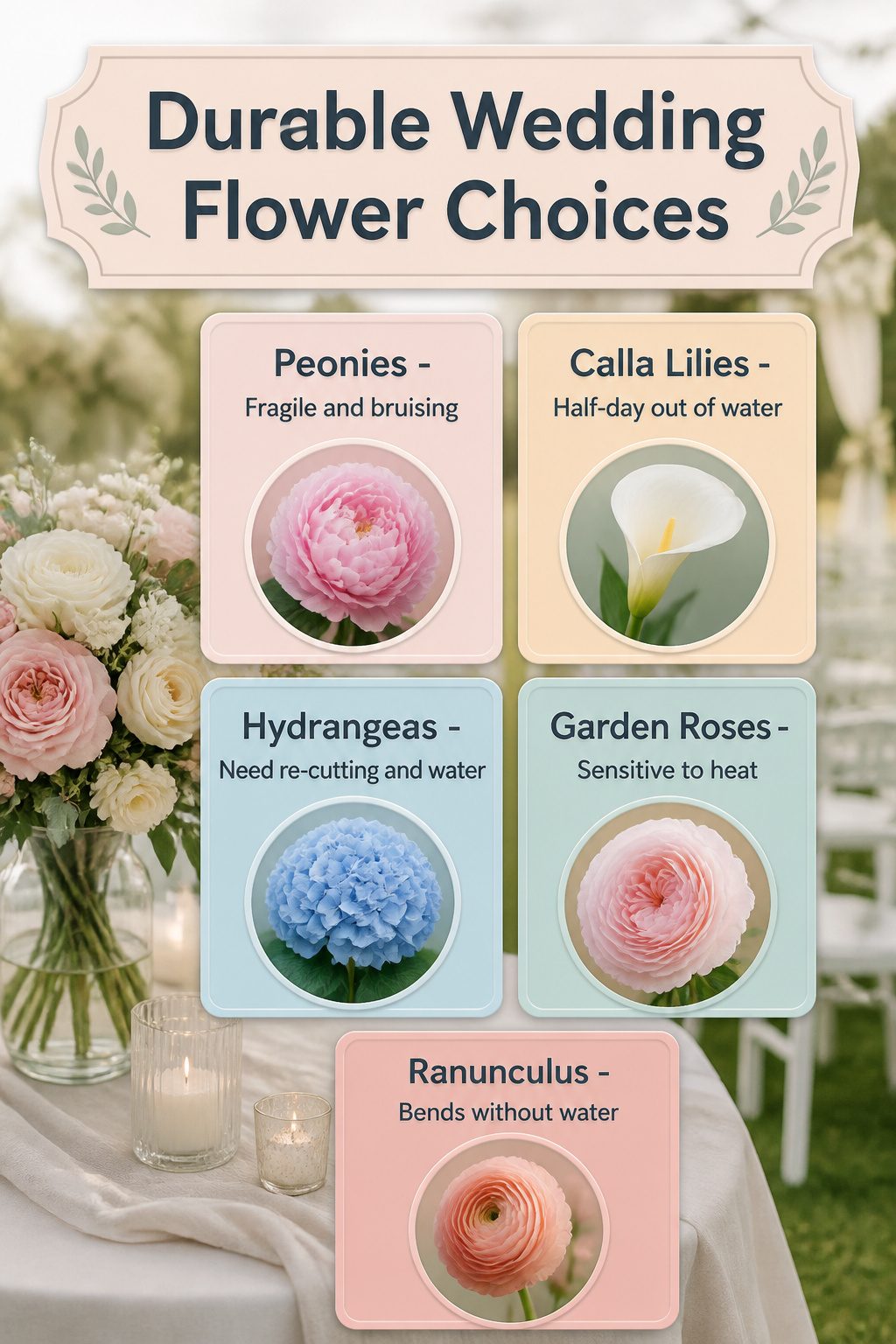
Peonies open like loose cabbages and bruise if you so much as brush a petal with a fingernail. I learned that the hard way watching a June bride’s bouquet turn brown at the edges before photos even started.
Garden roses hold better but still drop petals in anything above 80 degrees; they need water every few hours and shade until the last minute.
Ranunculus lasts longer than either, though the stems bend if they go an hour without a drink.
White orchids and calla lilies are the workhorses for summer ceremonies here in Gainesville.
Calla lilies can sit out of water for half a day and still look crisp, which matters when your florist drops arrangements at noon and guests arrive at five.
Hydrangeas are the opposite; they wilt dramatically and need their stems re-cut and soaked to revive, something most venues won’t have staff to manage.
If your ceremony is outdoors after April, I’d skip them for anything that can’t sit in a water-filled container.

Elegant Design: Silk roses in purple are bundled together to form a large, 12" diameter kissing ball and suspended from a matching color ribbon that can coordinate with or accent your wedding colors

Wedding Decor Details: Set of 2 pre-made wedding flower arrangements.The width of each bouquet is about 35cm/13.8inch, 55cm/ 21.6inch high.

Elegant silk roses in royal blue are bundled together to form a large, 12" diameter kissing ball and suspended from a matching color ribbon that can coordinate with or accent your wedding colors
Arrangement Styles
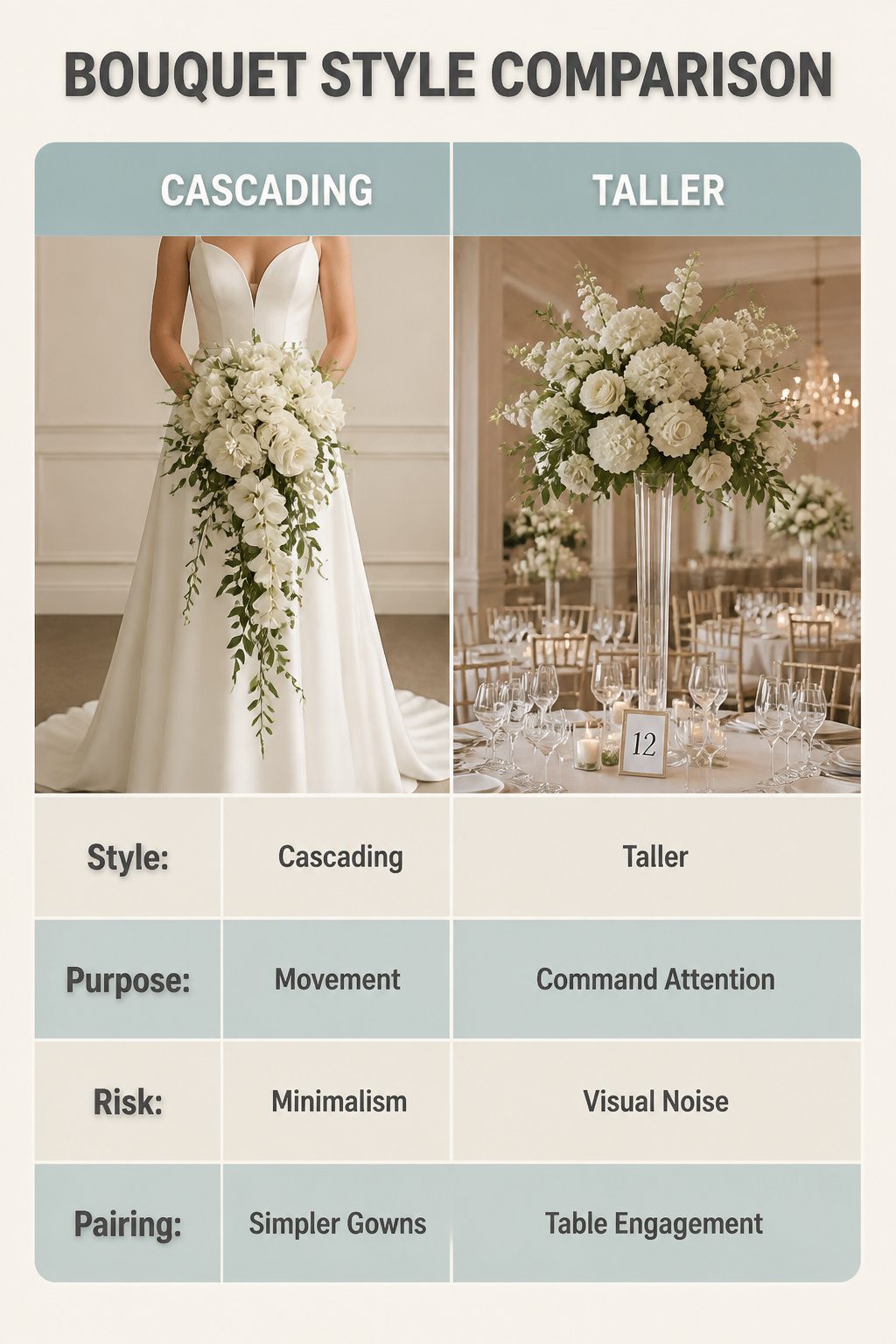
Cascading bouquets draw the eye downward and add movement to a still moment, which is why they pair well with simpler gown silhouettes that won’t compete for attention.
The cascade needs enough volume to feel intentional; too spare and it reads as an afterthought, which is the line minimalism always walks.
A single-stem boutonniere or a clutch of three calla lilies can look elegant if the stems are clean and the wrapping is precise, but the same small count with ragged edges or bruised petals looks like a budget corner cut.
Taller arrangements command a table the way a chandelier does, and they work best when guests need to see past them to talk across the space.
The risk is visual noise: once you pass a certain height and density, the flowers become something to work around rather than something that welcomes people in.
Susan Casper, a florist I spoke with about this, noted that couples usually come in with photos rather than flower names, which means the style conversation starts with atmosphere, not botany.
That is the right order. Decide whether you want the flowers to whisper or to announce, and let the scale follow from that.
A modern venue with strong architecture, like the Museum of Contemporary Art in Jacksonville, can handle structural, minimal shapes.
An old Florida hotel with its own color story, like the Don Cesar in St. Pete, often needs the flowers to join the party already in progress.
The venue is not a blank canvas for every style; it is a collaborator that nudges you toward one mood or another.
Seasonal and Local Sourcing
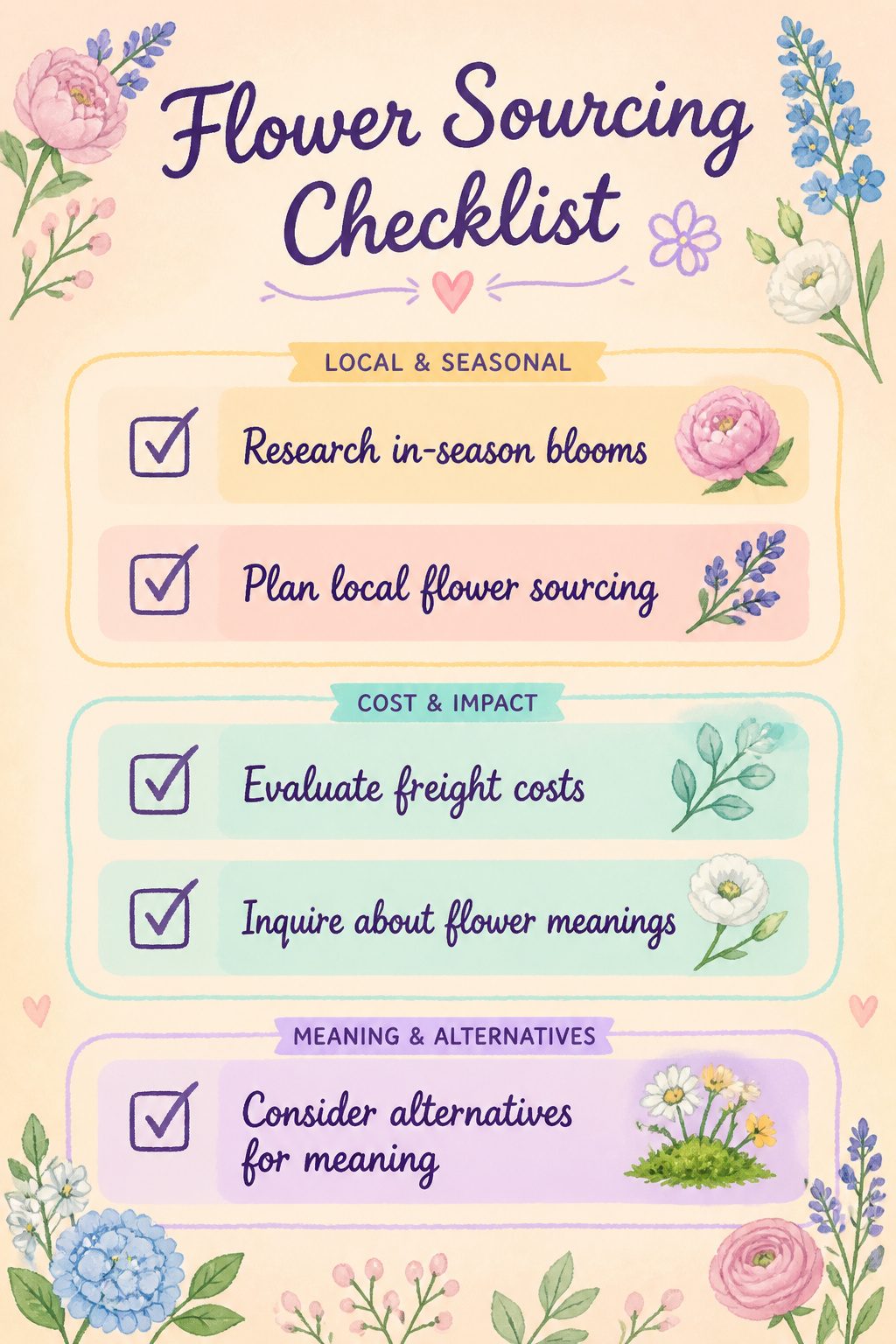
January peonies ship from Ecuador or Holland, and the freight shows up in the price.
Florida winters grow snapdragons, delphinium, and lisianthus without a flight attached, so in-season local blooms typically run lower and hold their shape longer out of water. That freshness gap matters when a ceremony runs long or heat hits the ballroom.
The environmental difference is mostly mileage.
Same-day truck from a Gainesville-area farm versus air cargo plus refrigeration. Both get you flowers, but only one keeps the carbon on the ground.
A couple set on out-of-season favorites faces a real choice. Import roses in February can swallow 15 to 20 percent of a modest floral budget for a single bouquet.
My read, after pricing this out for spring and fall weddings: the splurge makes sense if the flower carries actual meaning, not just Pinterest appeal.
Otherwise, seasonal substitutes, local wildflowers or moss accents, fill the same visual role at a fraction of the freight cost. Those options thread directly into eco-friendly planning without needing a separate sustainability label.
Frequently Asked Questions
What types of flowers are best for weddings?
Calla lilies and white orchids hold up best for summer ceremonies, since callas can sit out of water for half a day and still look crisp. Garden roses and peonies photograph beautifully but bruise easily and drop petals above 80 degrees.
Ranunculus lasts longer than peonies or garden roses, though its stems need steady water. The real factor is less the flower name and more how well it matches your season and venue conditions.
How do you repurpose wedding flowers?
Move ceremony flowers to the reception during cocktail hour, which is the single best way to stretch a floral budget without thinning the room.
Arch arrangements can frame a sweetheart table or anchor the bar; aisle markers become cocktail accents or cluster into guest table centerpieces.
Bridesmaid bouquets gather into centerpiece elements with a rubber-band wrap and a low vase. Tell your coordinator or planner the exact handoff timing so stems do not sit in buckets losing display time.
What are some eco-friendly wedding flower options?
Local sourcing is the simplest shift, since shipping blooms across time zones burns more fuel than the flowers cost.
Potted orchids or ferns serve as centerpieces then become favors guests take home. Dried arrangements sidestep wilting entirely and read vintage rather than rustic, though you lose the opening-up that happens in water overnight.
Sola wood flowers, hand-shaped from tapioca wood and dyed to match specific dress colors, arrive months ahead without wilting and photograph with a matte, velvety texture.
How can I decorate the ceremony aisle?
Place tall vases with blooms at the entrance and every third or fourth row to slow the eye and build anticipation. Greenery runners work only on flat, hard surfaces; skip them on grass where they bunch and lift.
Small arrangements tied at the aisle-side edge of each row transfer easily to reception chairs or bud vases if you tell your florist upfront.
Petals are the cheapest option and the riskiest, since wind and heels undo them fast; a light toss just before the processional lasts about four minutes, which is often enough.