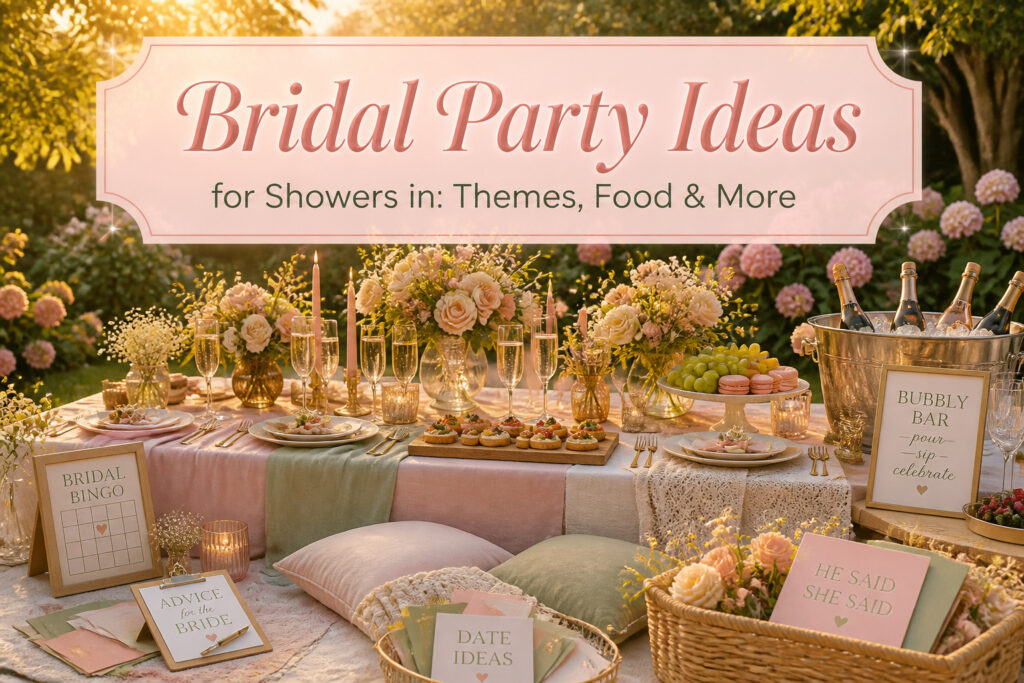
The best bridal party ideas for 2026 run from $4 candle-pouring stations to full garden tent rentals, and the deciding factor is usually which detail the planner forgets first. A picnic brunch collapses without a rain plan set 48 hours out; a living room shower dies when square footage gets overestimated. Straw into mimosas at a DIY bubbly bar works anywhere, but a sprinkler left on timer will ruin even a professionally tented garden.
1. Picnic Brunch Bridal Shower
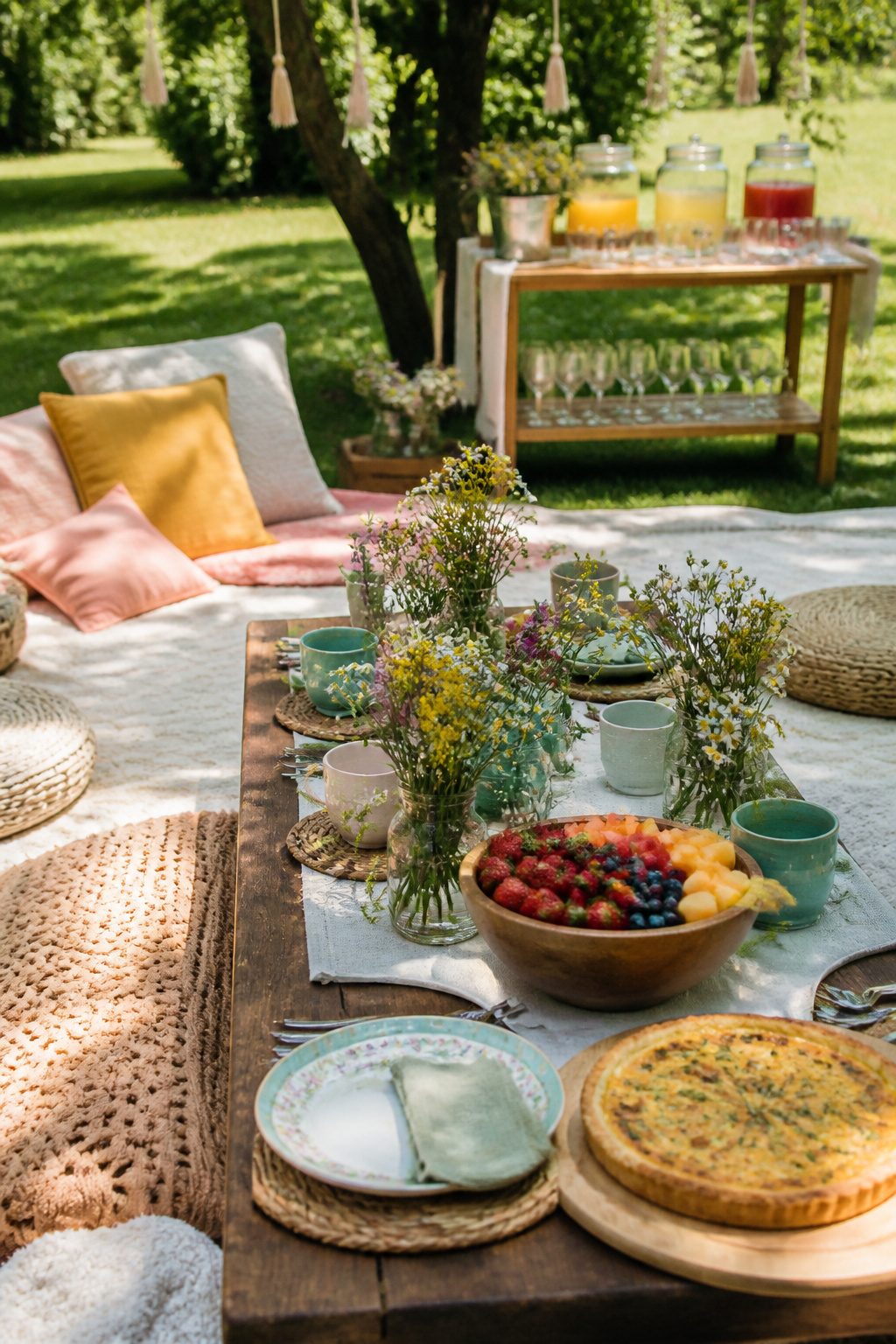
A picnic brunch bridal shower works on grass you already have access to, whether that is a backyard or a local park permit. The setup needs actual blankets, not the idea of them; woven cotton or wool holds up better on damp ground than the synthetic throws that slide every time someone shifts. Low tables or sturdy baskets keep plates level, and wildflowers in small jars do double duty as centerpieces and parting gifts.
For the menu, quiche holds at room temperature longer than most egg dishes, and fruit doubles as both snack and decoration if you pile it in a wooden bowl rather than hiding it in a clamshell. A DIY bubbly bar with prosecco and juice pitchers lets guests build their own mimosas and saves you from playing bartender in a lawn chair.
Weather backup is where this either works or collapses. I have watched hosts refuse to commit to a rain plan until the morning of, and then everyone is crammed into a kitchen that was never part of the design. The smarter move is to book a covered pavilion or indoor space at the same park when you reserve, or to set a decision time 48 hours out and stick to it.

You will receive: This set includes 48 pieces of floral paper plates in 6 elegant patterns, featuring a charming scalloped edge design. Each plate measures 7 inches, perfect for desserts and snacks. The delicate floral prints and vibrant colors will elevate your table setting, making every occasion special.

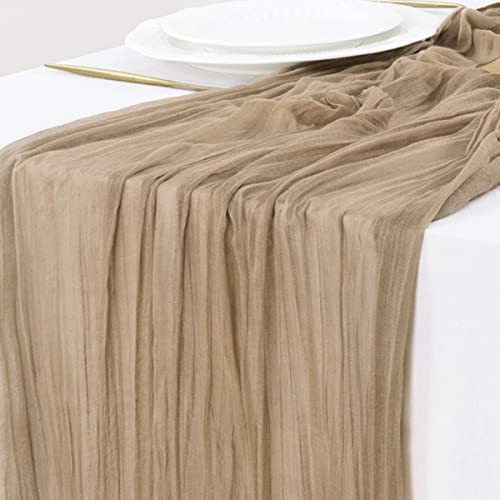
Size:35" W x 120" L. This versatile runner is designed to fit most tables, chairs, and wedding arches.
2. Love in the Living Room Theme
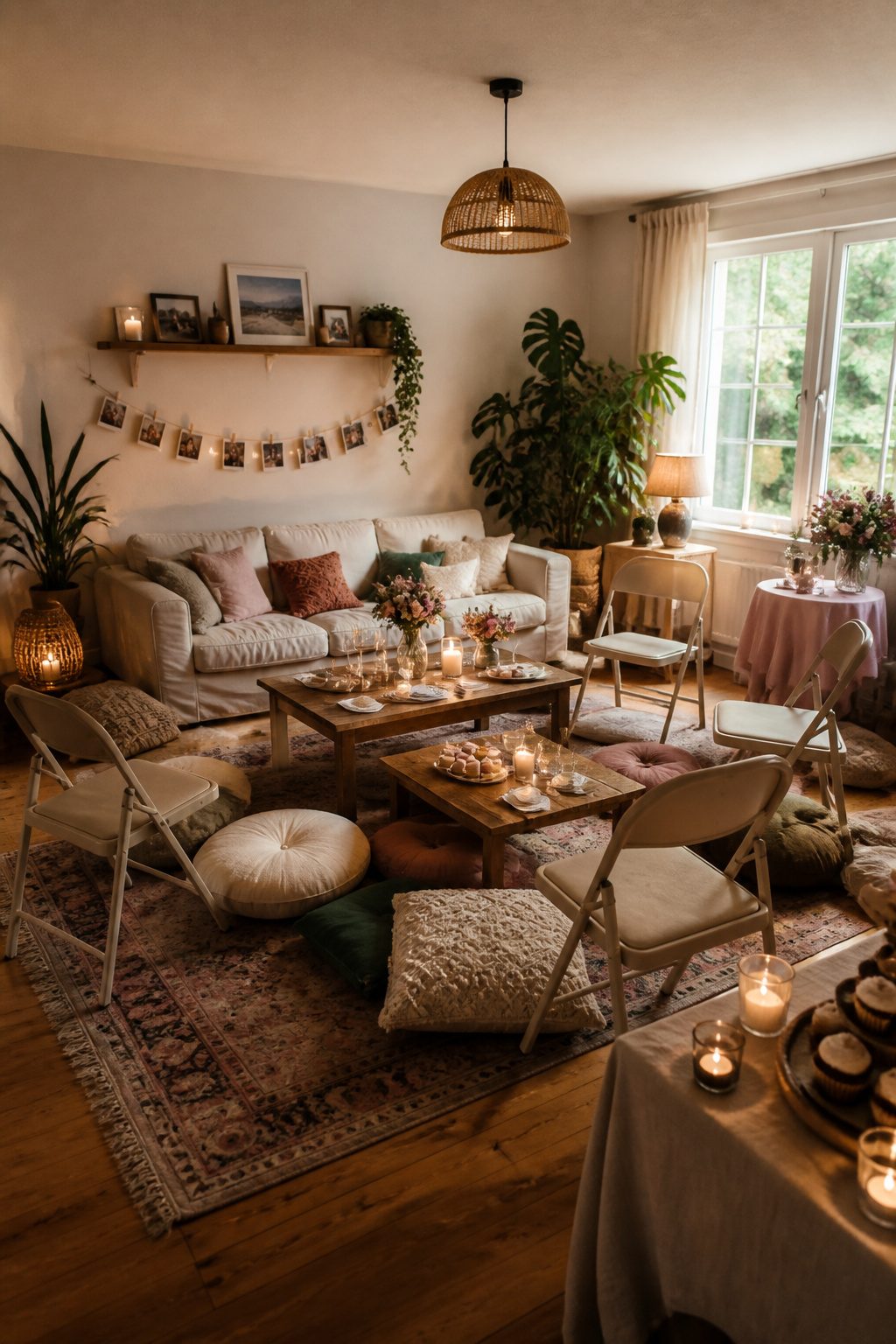
A living room shower only works if the furniture earns its keep. I once watched a host clear a too-small room by pushing the sofa against the wall and borrowing a neighbor’s folding chairs, then finish the seating with floor cushions around low tables she already owned. The result felt intentional, not cramped.
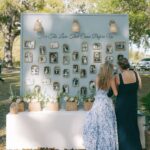
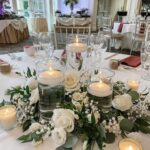
Candles and natural wood decor warm the space without requiring a rental budget. Photos of the couple, propped on existing shelves or pinned to a twine line across one wall, replace purchased backdrops. The smell matters too; a single candle with a personal scent ties the room to memory.
The risk is pretending the space is bigger than it is. Floor cushions and low tables beat squeezed-in folding furniture when square footage is tight. Guests need room to move between the gift table and the food spread, and a crowded living room kills the intimacy that makes this theme worth choosing.

☑️ PRE-STRUNG = NO WASTED TIME PUTTING THEM TOGETHER - Unlike others, our gold bubbly bar party banner will arrive to you with each letter already pre-strung on a 10 ft strand. No DIY required! Perfect for your champagne toast, mimosa bar, or Pearls & Prosecco party, this hassle-free decor is ideal for a bridal shower, brunch, bachelorette party, or any festive drinks celebration. Just hang it up, and let the bubbly flow!

Premium & Classy - As the Maid of Honor, Mom, or close friend you've been tasked with an enormous responsibility! It's up to you to make the Bridal Shower or Baby Shower a HUGE HIT. Our high quality mimosa bar decoration kit comes with all the supplies you'll need! From the gold foil detail in the signs to the adorable paper straws, she'll LOVE IT ALL! All the while...you'll be validating to her why you were chosen to plan the shower in the first place.

FUN MIMOSA BAR GUIDE — Clear 3-step instructions guide guests to mix bubbly, juice, and fruit for an interactive drink bar.
3. Pasta Night In
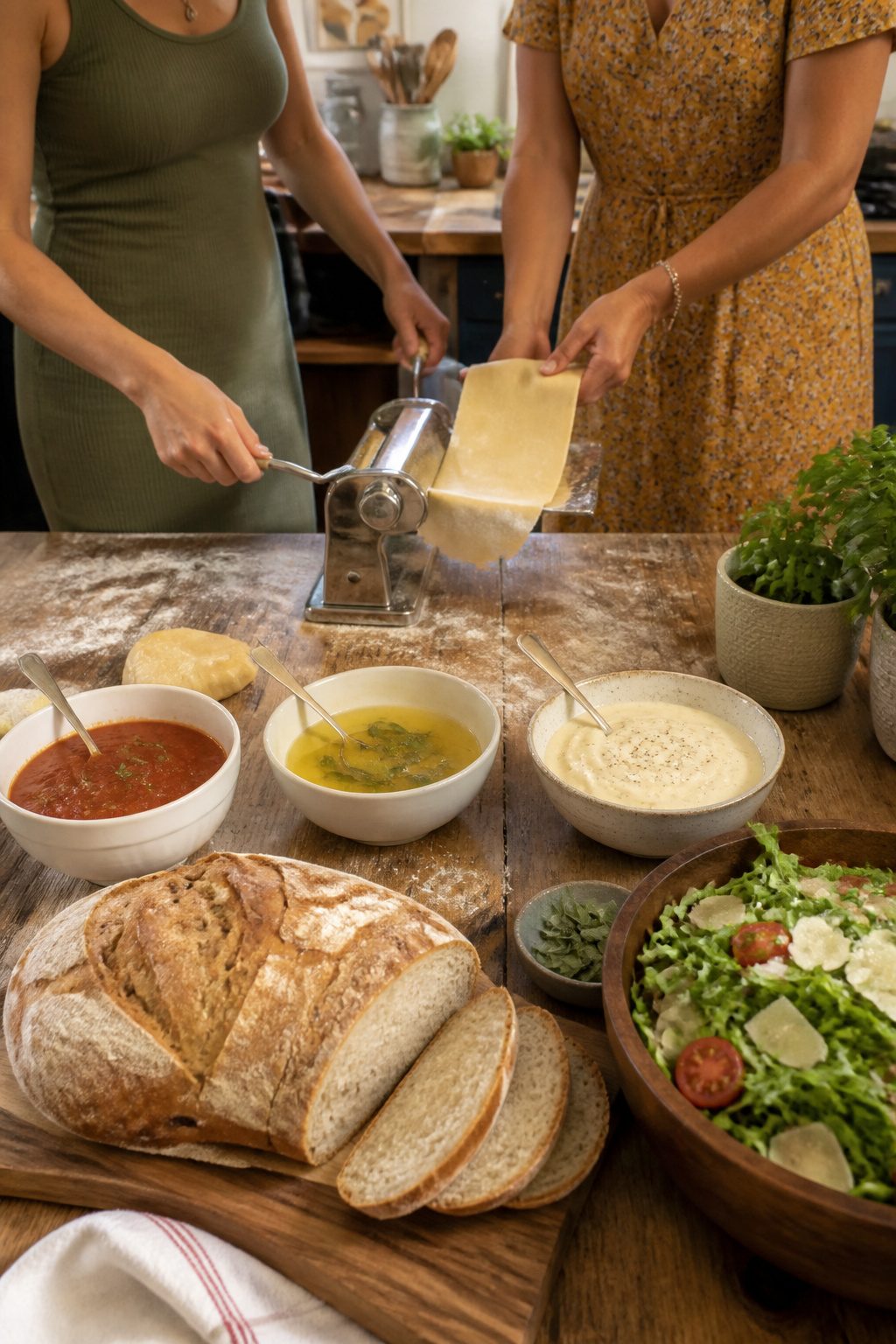
Fresh pasta at a bridal shower sounds expensive until you price it out. The sauce stations keep the whole meal under $8 per person, and the flour on the floor is half the point.
I lend clients one machine: a manual Imperia pasta roller, the kind that clamps to a table edge and turns out sheets in about ninety seconds. Two people work it best, one cranking, one catching, and by the third sheet the group stops posing for photos and actually talks to each other. The machine goes home with me; the memories of who made the worst ravioli do not.
Sauce stations run simple. One marinara with canned San Marzanos, one brown butter with sage that takes five minutes, one alfredo for the indulgent. Bread and salad fill the table, checkered cloth optional. The checkered cloth is optional. What matters is that someone inevitably drops an egg on the floor, and the bride is laughing too hard to care.

ROMANTIC & HUMOROUS ENGAGEMENT GIFT: Celebrate love and laughter with this charming 7 oz "No Longer Living In Sin" Engagement Candle! Designed for couples who adore playful humor, it sets the perfect mood for romantic moments while playfully announcing your commitment. Let the sweet fragrance and flickering flame symbolize the start of your sin-free journey together light it up and enjoy the smiles!

Bridal Shower Gifts Set: the package includes 30 bridal shower succulents tealight candles, 30 thank you tags and 30 organza bags, the cactus candles set ensures you have the most accessories you need to provide delightful and appreciative accessories for your guests

Personalized Label: Candle favors with a custom label (names and date) and floral decoration.
4. Vintage Thrifted DIY Bridal Shower
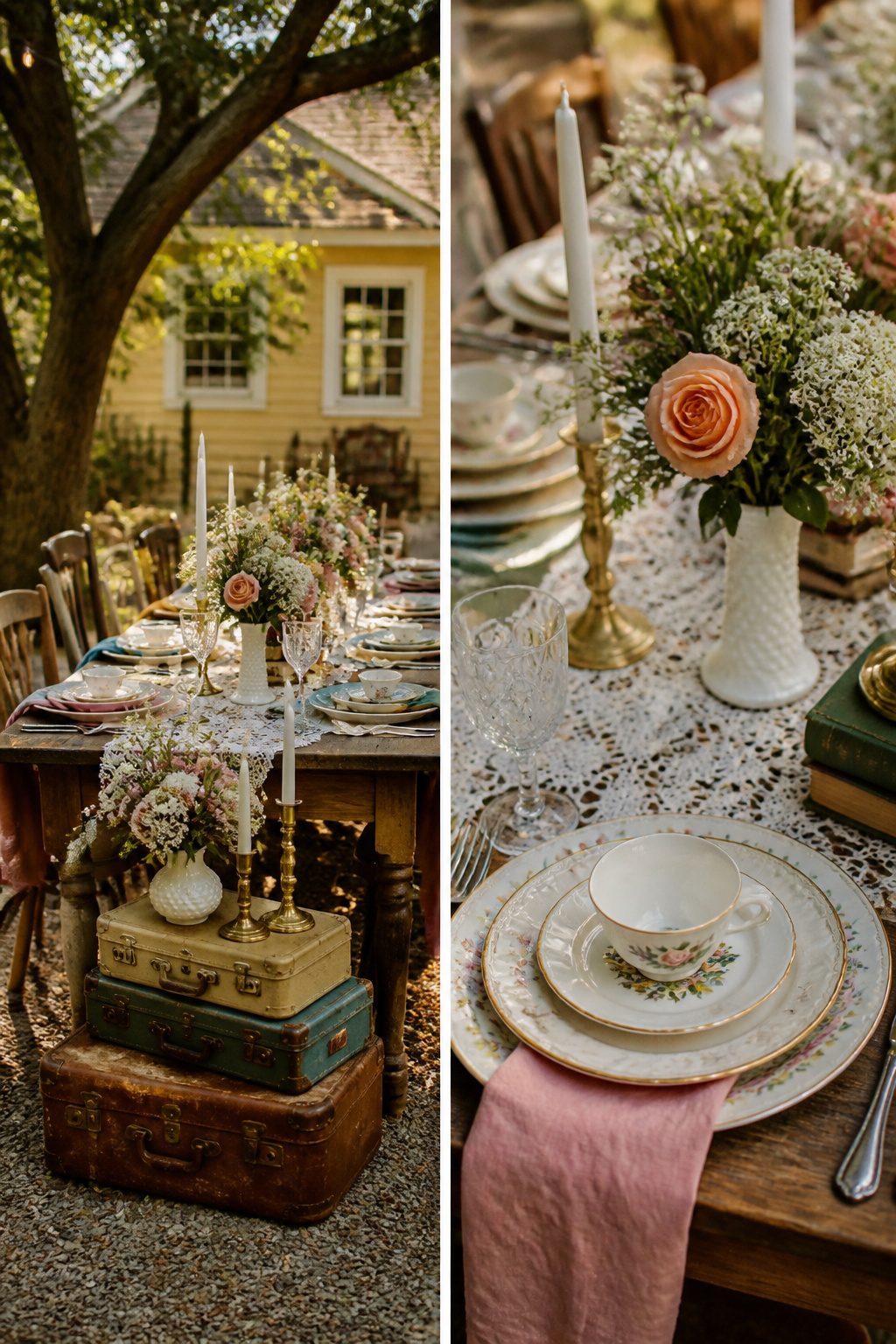
Thrift stores in Gainesville run on a rhythm only locals seem to know. I hit the Goodwill on Archer Road first, then the Salvation Army near campus, and finish at the smaller spot on Main Street where housewares turnover twice weekly. The total for mismatched china, brass candlesticks, and linen napkins lands under $50 if you skip the furniture aisle entirely.
Everything needs a week. China gets a bleach soak, then the dishwasher on sanitize. Linens hit the washing machine twice, once with vinegar to kill the storage smell. I sort by table position as things dry, so setup day is just placement, not decision-making.
The centerpiece that failed taught me the rest of the lesson. I stacked three vintage suitcases, weighted the bottom two, and set a milk-glass vase on top. Halfway through the party the middle case, warped from humidity I had not checked, tilted just enough. The vase slid, not shattered, but water ran across the lace runner and three place settings needed swapping in front of guests. Now I test stacked pieces with a full water jug overnight, and I never trust a single point of contact.

【OVERALL DIAMENSION】10'X10' (3m*3m) outdoor party tent can hold up to 10 people. Each sidewall are detechable to keep ventilation and PVC windows on each walls to see outside scene

Overall Dimension: 10 X 20 Ft (3m*6m) 4 x Walls w/Windows & 2 x zip-up doorway. Rust & Corrosion resistant powder coated steel framework. Easy removal and assembly,installation manual included

【Overall Dimension】The canopy tent 10 X 10 Ft (3m*3m) 3 x Walls w/Windows & 1 x zip-up doorway. Made of Rust & Corrosion resistant powder coated steel framework. Easy removal and assembly, installation manual included
5. Kitchen-Themed Bridal Shower
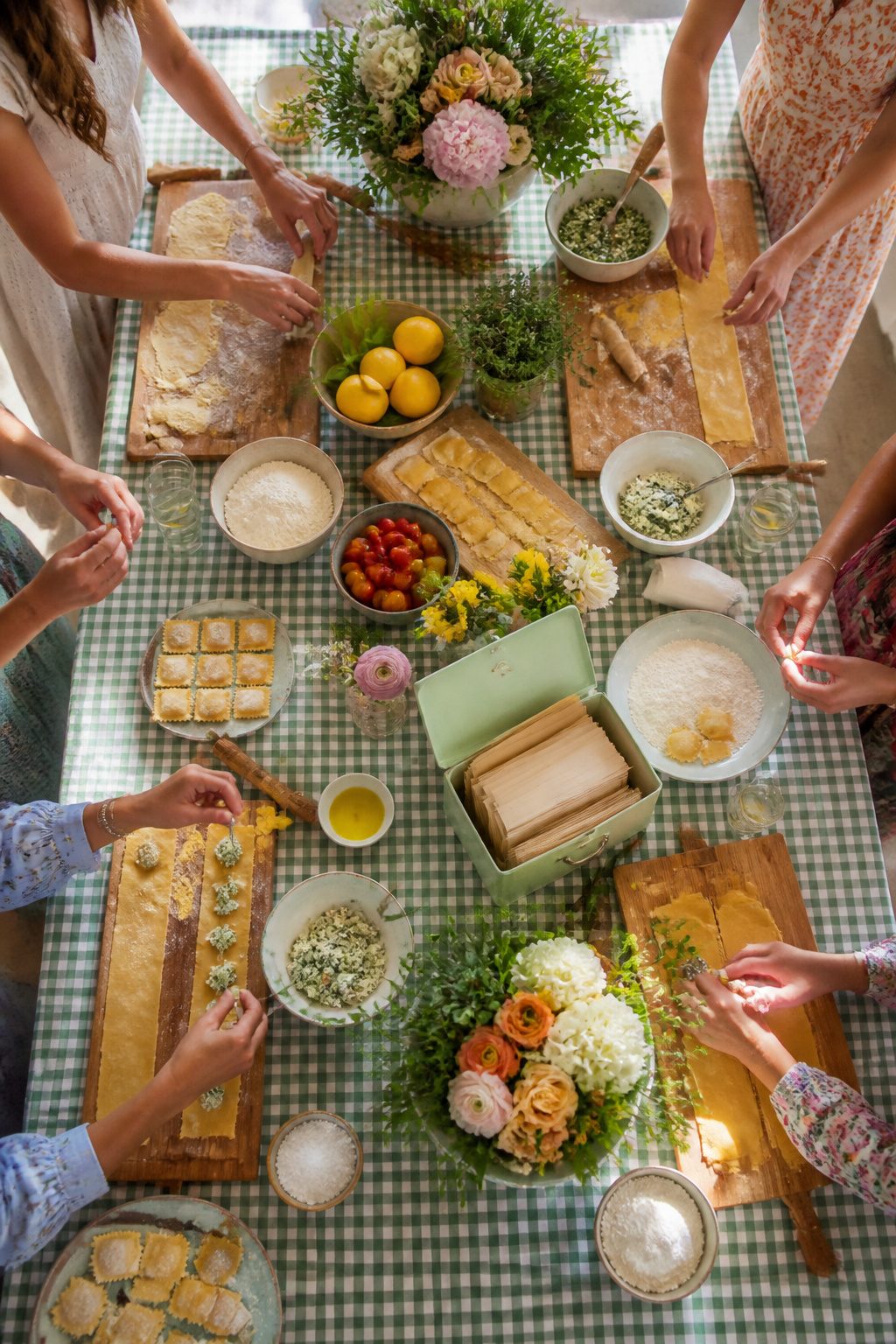
A kitchen-themed bridal shower still works because guests genuinely want to contribute something useful, and most couples in their late twenties do not yet own a stand mixer or a decent knife block. The trick is registry coordination, not free-for-all gifting. I learned that the hard way after one bride opened eleven spatulas in matching silicone sets, each from a guest who thought they had found the perfect finishing touch. Now I send the registry link with the invitation and note that kitchen gifts should come from the list, period.
Recipe cards survive as the best part of this theme. Guests bring a handwritten favorite on a cute card, the bride drops them into a new recipe box at the shower, and she leaves with her grandmother’s lasagna in her grandmother’s actual handwriting. For food, Italian cooking works because the group can divide the labor: one table rolls pasta, another folds ravioli, a third builds a salad. Cookbooks or mixing bowls filled with floating flowers handle the centerpieces without extra spending. Skip the matching utensil sets. The registry exists so no one else has to guess.


DELICIOUS, SAFE, FRESH PASTA EVERY TIME: Crafted from BPA-Free, high-strength food-grade plastic reinforced at all stress points, this pasta press attachment is engineered to withstand repeated use without cracking or warping. Unlike cheaper alternatives that weaken after months of use, the reinforced housing maintains its structural integrity through hundreds of pasta-making sessions.

PREMIUM GRADE STAINLESS STEEL: Say goodbye to pasta machines with unpleasant metal or plastic odors. The Nuvantee pasta maker is crafted from 100% premium grade stainless steel.
6. Garden Party
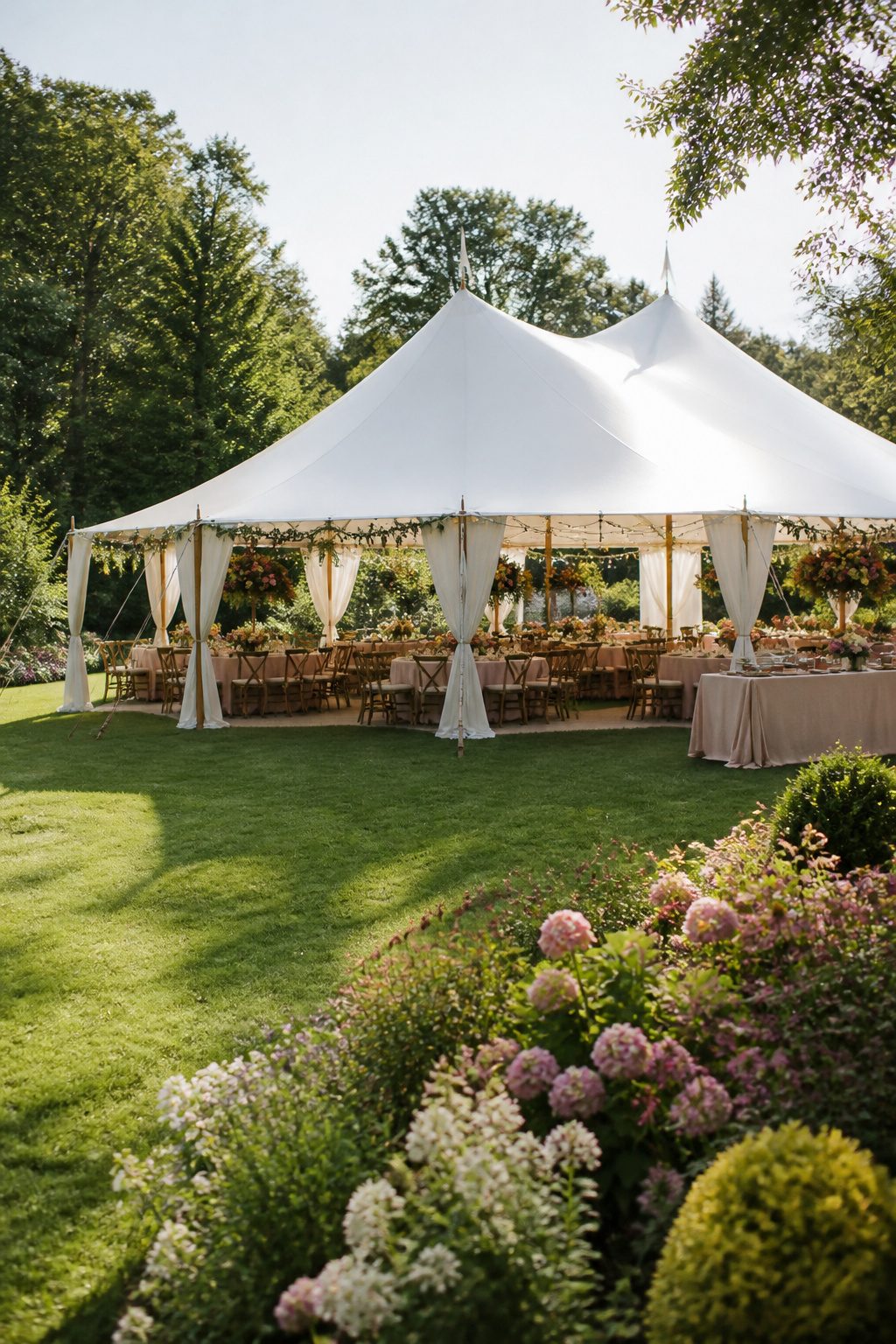
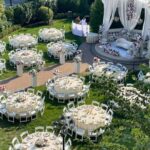
A garden bridal shower in Gainesville lives or dies on whether you have a backup plan for rain, and that backup is almost always a tent. I size rentals by counting chairs, not bodies: a seated luncheon needs about fifteen square feet per guest, while a standing cocktail setup cuts that roughly in half. For a group of twenty, that difference is the gap between a 20×20 tent and something that swallows half the yard.
North Florida’s growing seasons reward anyone who plans flowers with the calendar instead of against it. Late winter and early spring bring camellias and azaleas from local growers, often at prices that drop once you move past Valentine’s Day. Summer leans on hydrangeas and sunflowers, but the heat wilts anything not in water within the hour. I learned that the hard way with centerpieces that sagged before the bride arrived. Fall opens up with dahlias and the last zinnias before first frost, usually mid-November here.
The sprinkler system is the detail that will betray you. I once scheduled an afternoon setup assuming the yard would be dry by ten. The timer I never asked about kicked on at six a.m. We laid a runner over mud that never fully dried, and the bride’s mother noticed before I did. Now I ask hosts to shut off the zone manually and walk it the morning before.

Elegant Bridal Brunch Decor: Celebrate love with our stunning "First Comes Brunch Then Comes Marriage" banner! Perfect for bridal brunches, wedding showers, and engagement parties, this gold glitter welcome sign adds a glamorous touch to your special event.

Comprehensive Package: The "Brunch with the Bride" banner kit is a complete set designed specifically for a brunch bridal shower decoration. It includes elegantly styled letters banner spelling out "brunch with the bride," accompanied by a collection of decorative that feature bridal-themed elements such as wedding dresses, champagne glasses, and floral wreaths.

Complete Party Plates and Cups and Napkins Set:This gingham plates and napkins set includes 24pcs 7"pink dessert plate and 24pcs 9"pink party plates, and 6.5"pink gingham paper napkins — all featuring delicate scalloped edges, 24 sturdy 9oz paper cups, and 24 sets of plastic cutlery (fork, knife, and spoon). This comprehensive disposable dinnerware set offers a complete pink paper plates and napkins solution for effortless entertaining for up to 24 guests.
7. Afternoon Tea Party
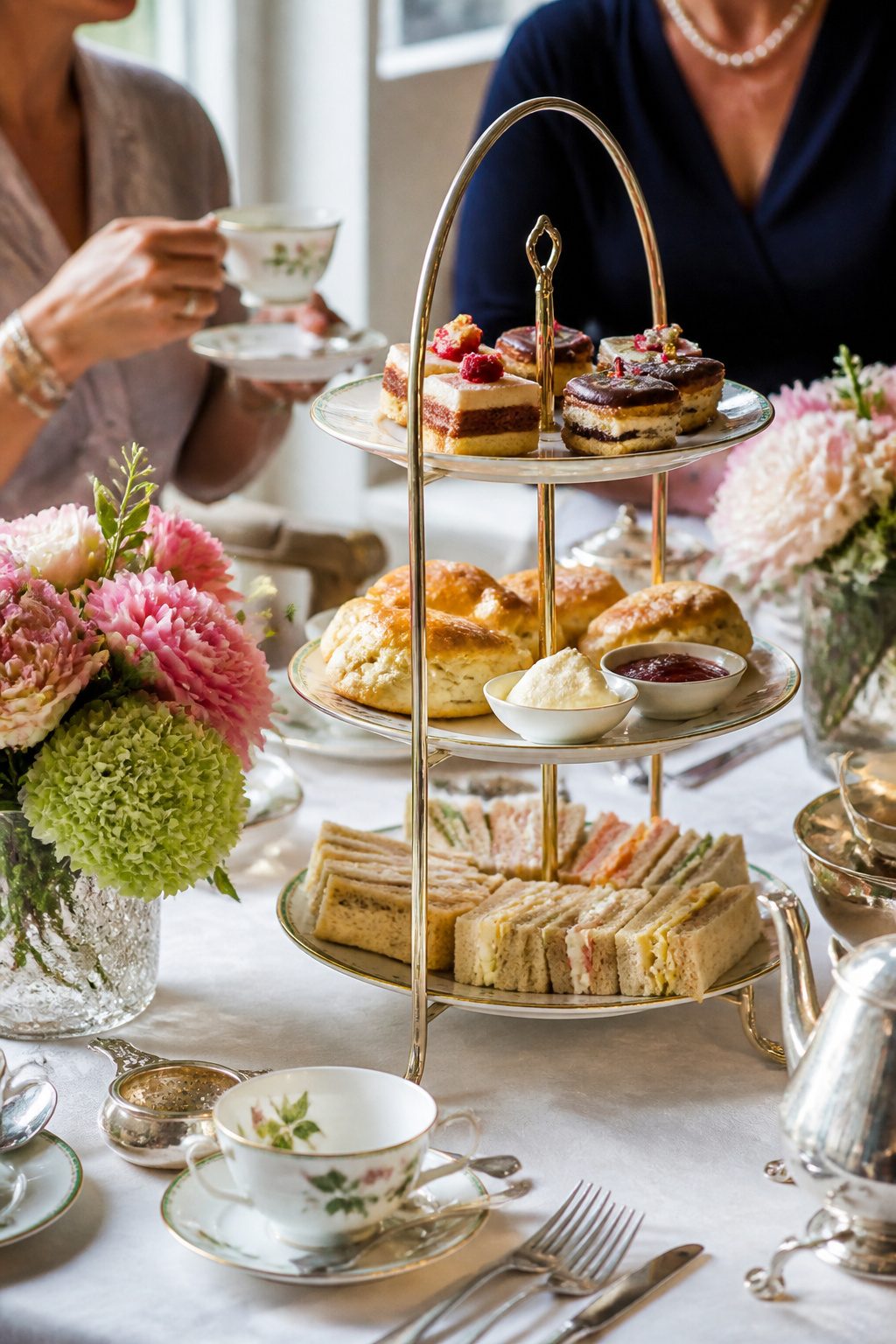
A seated afternoon tea runs on structure, not spontaneity. The three-tier stand is the whole point: savories on the bottom, scones in the middle, sweets on top, and the bride does not wait on her own shower. Three finger sandwiches per person covers the count, but only if each is cut to two bites; anything larger and guests leave half-eaten triangles on porcelain. The filling matters less than the construction. Cucumber with cream cheese, egg salad with watercress, smoked salmon with dill. All soft enough to compress, none so wet the bread goes limp before the pour.
2:00 PM is the better start time. By 3:00, the post-lunch dip hits hard; guests arrive sluggish from a heavier noon meal and the caffeine boost lands too late to lift the room. At 2:00, the tea itself carries the energy arc. For bulk loose-leaf, I order from Adagio. The per-cup cost runs about a third of sachets, and their Earl Grey Moonlight holds up through a long pour without turning tannic. Warm the pot first, steep four minutes, strain onto a sugar cube if the bride takes it that way. The ritual slows everyone down, which is the actual gift.

Material: gold glitter card stock.

Letters are each 5.35" tall and roughly 3.75" wide.
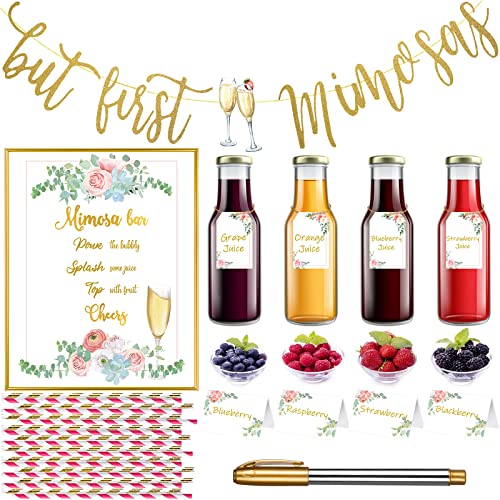
Rich combination: you will get 1 x mimosa bar poster, 1 x but first mimosas banner, 4 x juice label with rope, 4 x table cards, 20 x striped straws, 1 x gold maker pen, provide you with a nice combination at the party decorations, but not including 4 drink bottles
8. Rustic Theme
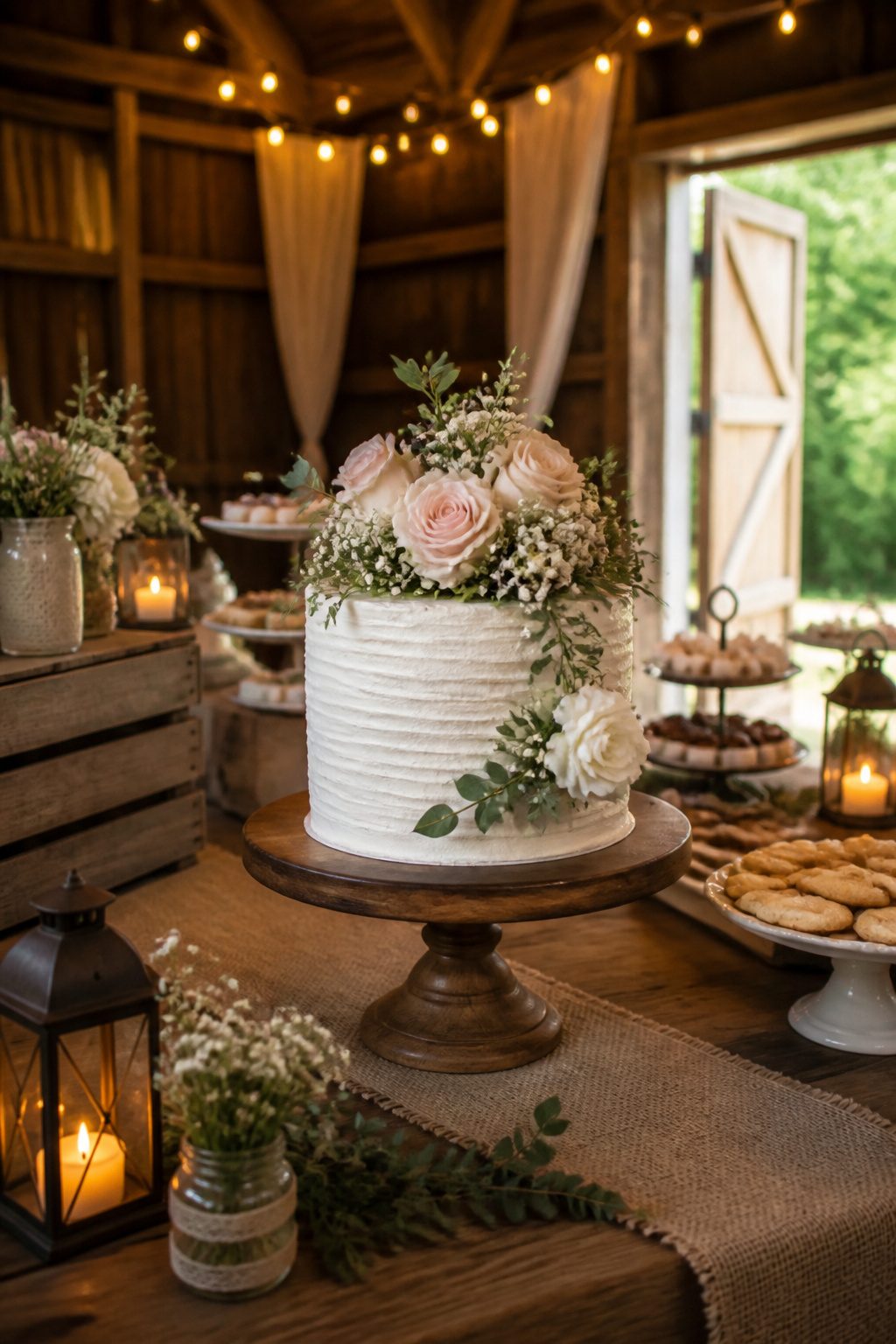
Barn wood backdrops photograph beautifully, but a full wall of reclaimed planks runs heavy on both budget and truck rental. Most Gainesville venues with existing barn architecture already charge a premium for that built-in character, so rent the structure, buy the texture: mason jars, burlap runners, and a few weathered crates do the same visual work at a fraction of the weight.
Burlap yardage in this town is surprisingly inconsistent. The craft store on Archer Road keeps rolls in stock year-round without the frayed edges that discount lots sell as "rustic." That matters because loose weave unravels during setup and reads as sloppy rather than styled. I learned to test a swatch by pulling a single thread; if it runs more than an inch, skip it for table runners.
The line between intentional and unfinished sits at the finish on your wood. Raw pallets carry splinters and warehouse stamps. A quick sand and a pass with dark stain costs maybe two hours and elevates the same material from construction site to centerpiece. Without that step, the theme collapses into looking like you forgot to decorate.

DIMENSIONS: Length 14.7cm X Height 13.5cm X Width 5.7cm

Stylish Hanging Lantern:This lantern is designed for both indoor and outdoor usage and has a glass candle holder that gives out super cozy light. Its intricate Chevron pattern mesh allows light to pass through beautifully. With their sleek and sophisticated design, they are a perfect addition to any house with modern, boho, or antique decor. Use them to add ambient light to any area of your home or office. Designed for votive candles.

【FUNNY WEDDING GIFTS FOR BRIDE】- Make the bride's special day even more memorable with this hilarious candle! It is guaranteed to bring a smile to her face and have everyone laughing out loud. Whether it's for a bridal shower, bachelorette party, engagement, or wedding gift, this candle is the perfect choice to add some humor and joy to the celebration. The Bride-to-be will love it!
9. Wine Tasting Party
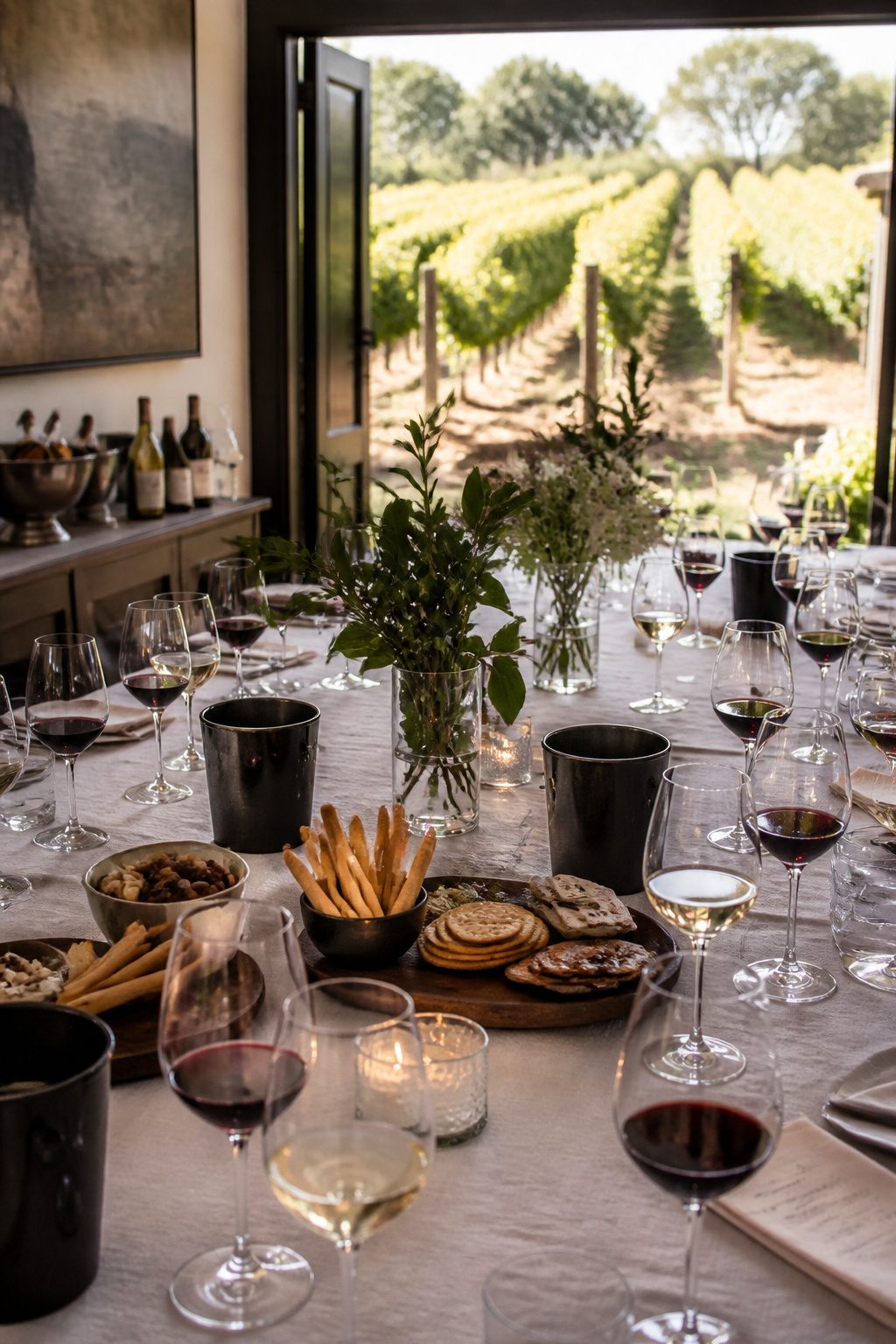
A structured tasting keeps a wine party from turning into a free-for-all where someone opens the Cabernet first and nobody tastes anything after. Start with sparkling or light whites, move through rosé, then hit the reds lightest to heaviest. Breadsticks and plain crackers between pours actually reset the palate instead of just filling people up.
The $12 bottle is where crowd-pleasing lives. I’ve watched guests reach past $25 Pinot Noir for a $10-12 Albariño every time. For reds, a young Grenache or Barbera delivers fruit without the tannin that makes casual drinkers wince.
Spit cups are non-negotiable, not optional. Small paper cups, unlabeled, set out in clusters so drivers never have to ask. The one red I learned to skip at bridal events is young Zinfandel. One drip on a satin hem at a shower I planned, and that white dress went home coral-pink permanently. The bride laughed it off; her mother did not.
10. Disco Bride Theme
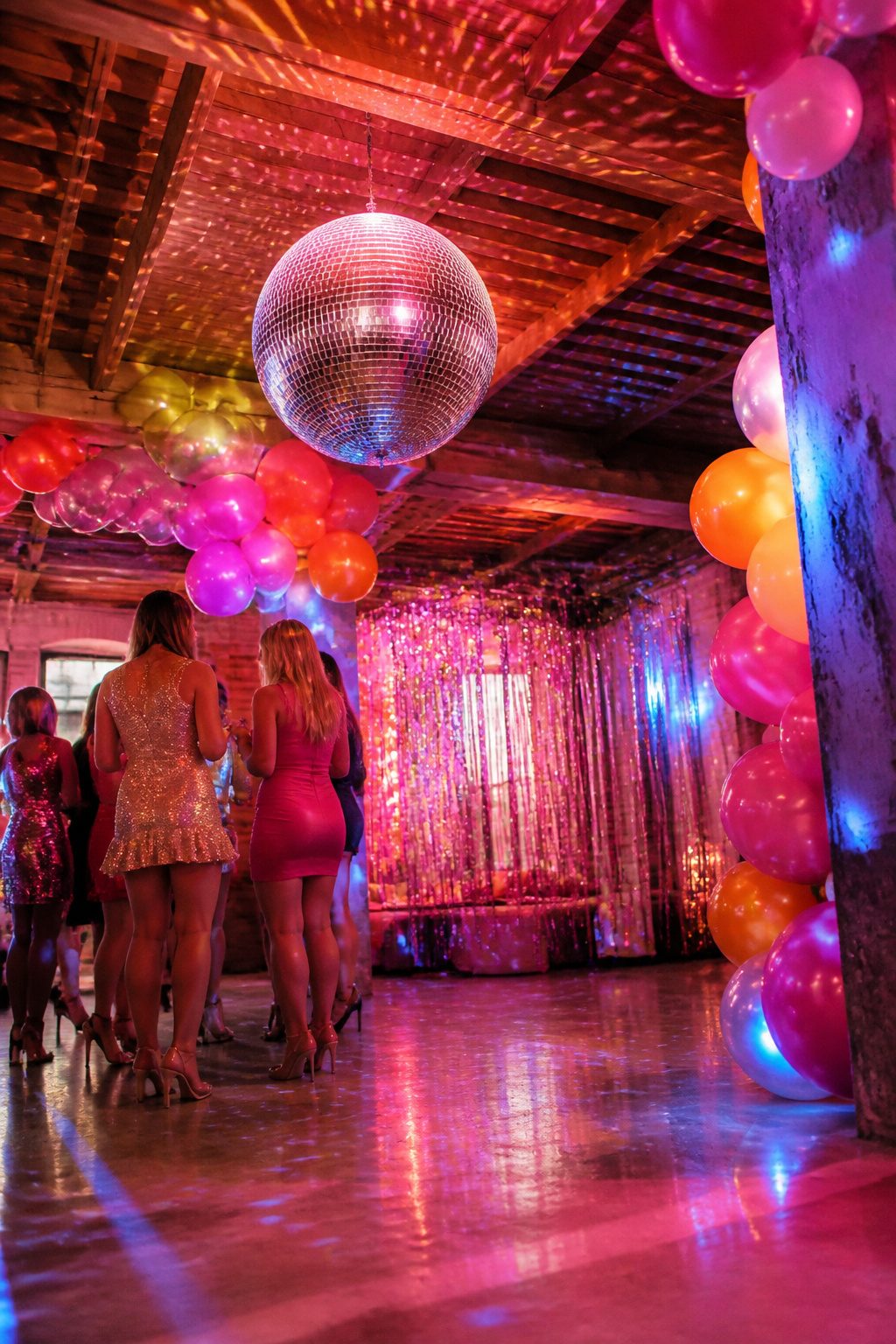
A rented mirror ball runs about $45 to $75 for a weekend, and the pinspot light that makes it actually throw dots across the room is another $35 or so. Without that second piece, you have a shiny ball; with it, you have a dance floor. I learned that the hard way at a shower where guests kept asking why the "disco thing" looked dim.
You need roughly eight to ten square feet per person once chairs get pushed back. A group of fifteen sounds intimate until half of them want to move at the same time, and suddenly someone’s heel is catching the snack table. The playlist matters less than the lighting, honestly; a Spotify disco list works fine, but flat overhead fluorescents kill the mood no matter how tight the bassline is.
This theme sorts your crowd for you. The friend who texts "sounds fun" but owns no shoes she can stand in for two hours? She probably skips it, which is a gift to both of you. The ones who show up came to move, and that energy does the hosting for you.


User-Friendly Operation: Designed for ease of use, this pasta maker machine comes with recipes and simple ratios to follow. With four automatic modes, making fresh noodles at home is as easy as a single click. Even beginners can create delicious pasta effortlessly.Please do not add too much or too little water, otherwise the dough will not pass through and will stick to the machine. Please refer to the flour and water ratio table in the Quick Start Guide Manual.

PASTA UNDER 10 MINUTES: Enjoy fresh homemade pasta effortlessly in under 10 minutes¹.
11. Seasonal and Local Celebration
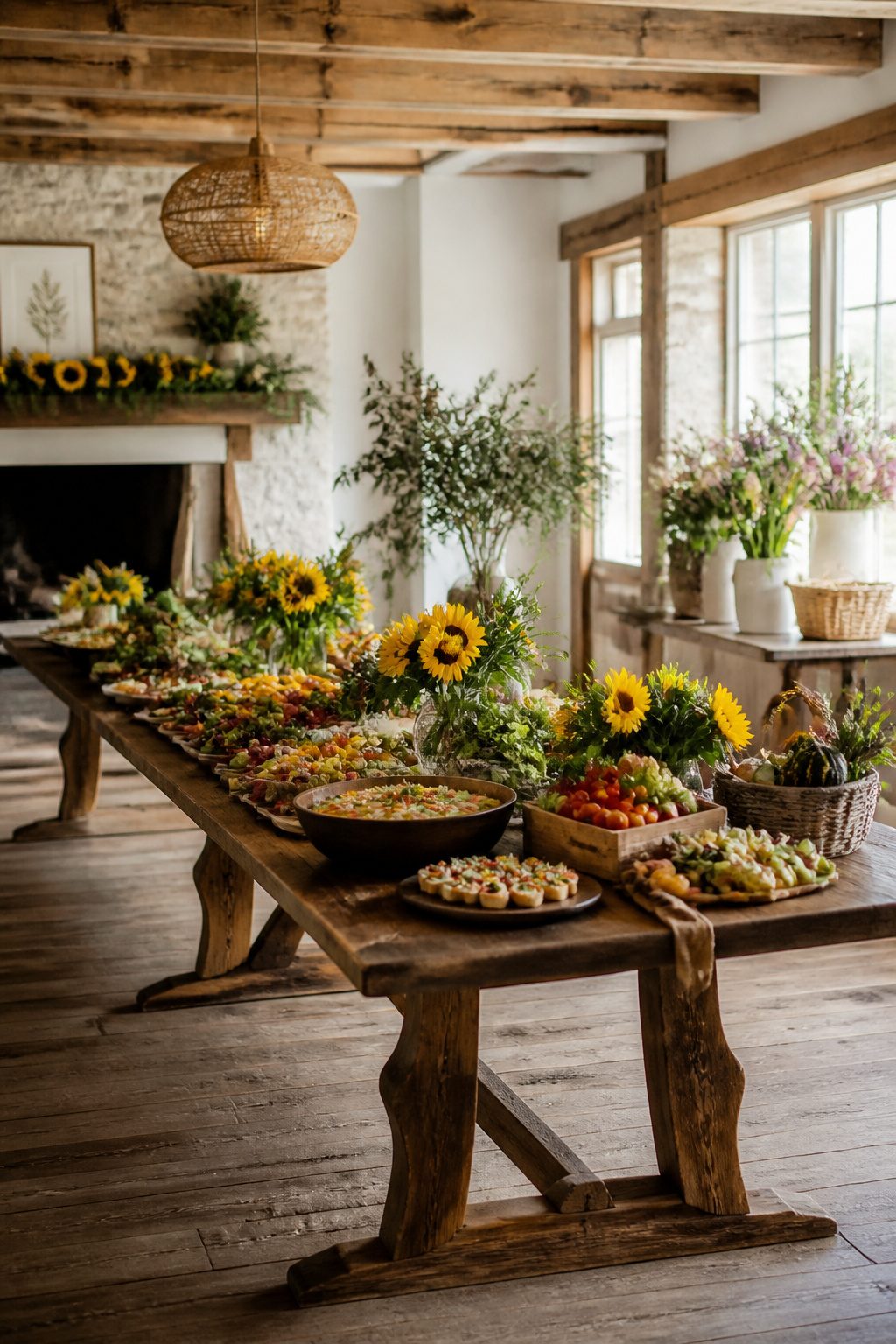
The best showers I have planned in Gainesville started with what the Tuesday farmers market had that week. September through November, local sunflowers run about three dollars a stem and last the full weekend if you buy them tight and let them open in buckets overnight. February citrus looks abundant until you try to build a whole color story around it; one shower I designed leaned so hard on grapefruit and blood orange that the bride said it felt like a breakfast buffet, not her party. Now I pair one citrus element with whatever greens are actually growing: late winter kale, carrot tops, anything with a stem that does not need a flight from California.
12. Beachfront Bridal Shower
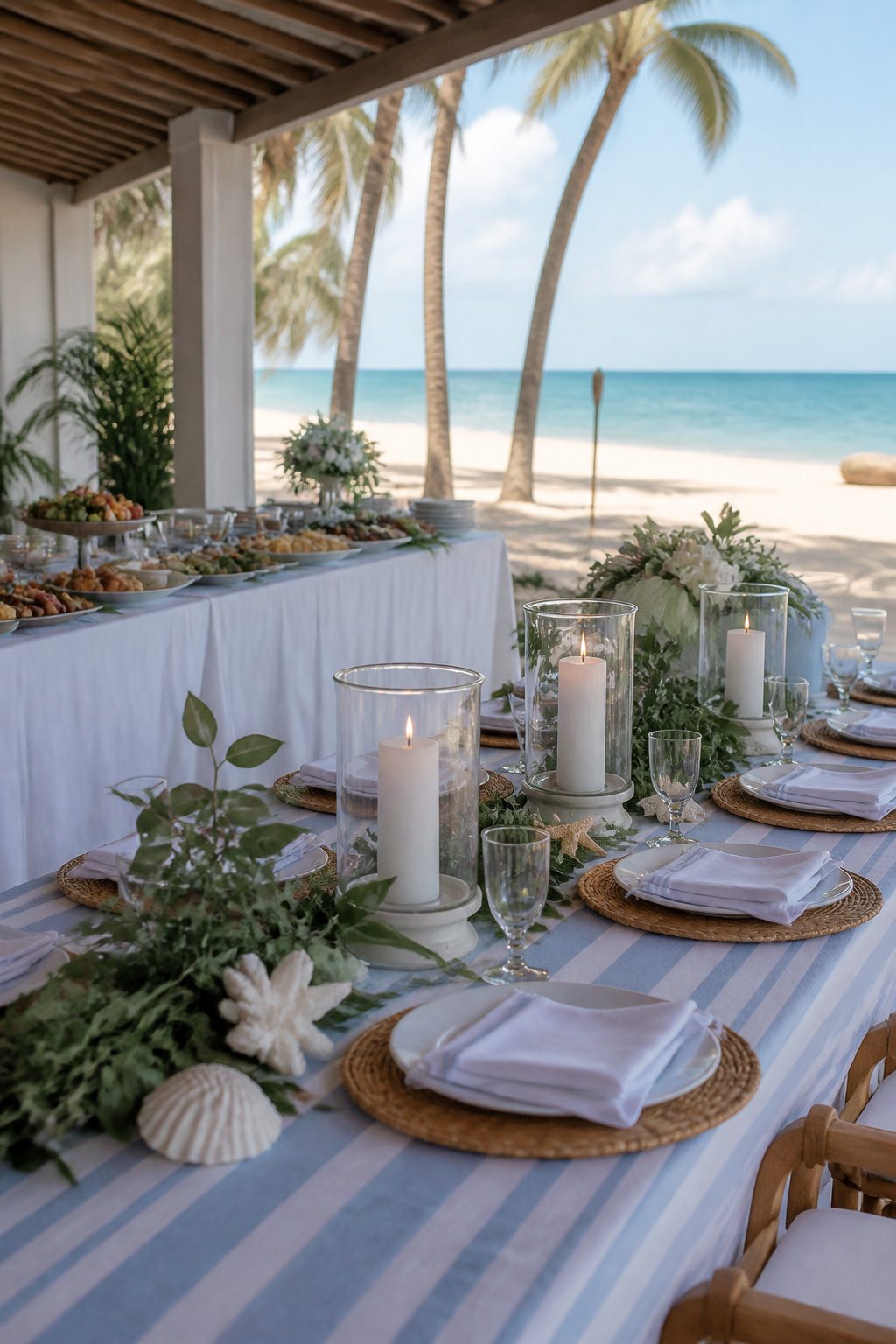
Tide charts decide whether your beachfront bridal shower happens on packed sand or ankle-deep water. I check them first, always, because a rising afternoon tide will shrink your usable space by half without warning.
Florida state parks require permits for any gathering over a certain size, and the application window closes weeks ahead of peak season. The permit fee runs modest, but the denial rate climbs if you file after local schools start booking end-of-year events. Call the park office directly; their online forms lag behind actual availability.
Wind is the enemy of table settings. Low centerpieces only help so much. I stopped fighting it and switched to weighted glass hurricane candles, cloth napkins tucked under plates rather than folded upright, and menus printed on cardstock heavy enough to stay put.
Sand gets into food, shoes, and eventually every complaint you hear for the next month. Boardwalk-adjacent pavilions solve this completely. Guests walk the fifty feet to photograph the shoreline, then eat at tables where feet stay clean and chairs stay level. The view reads as beachfront; the experience works as an event.
13. DIY Craft Stations
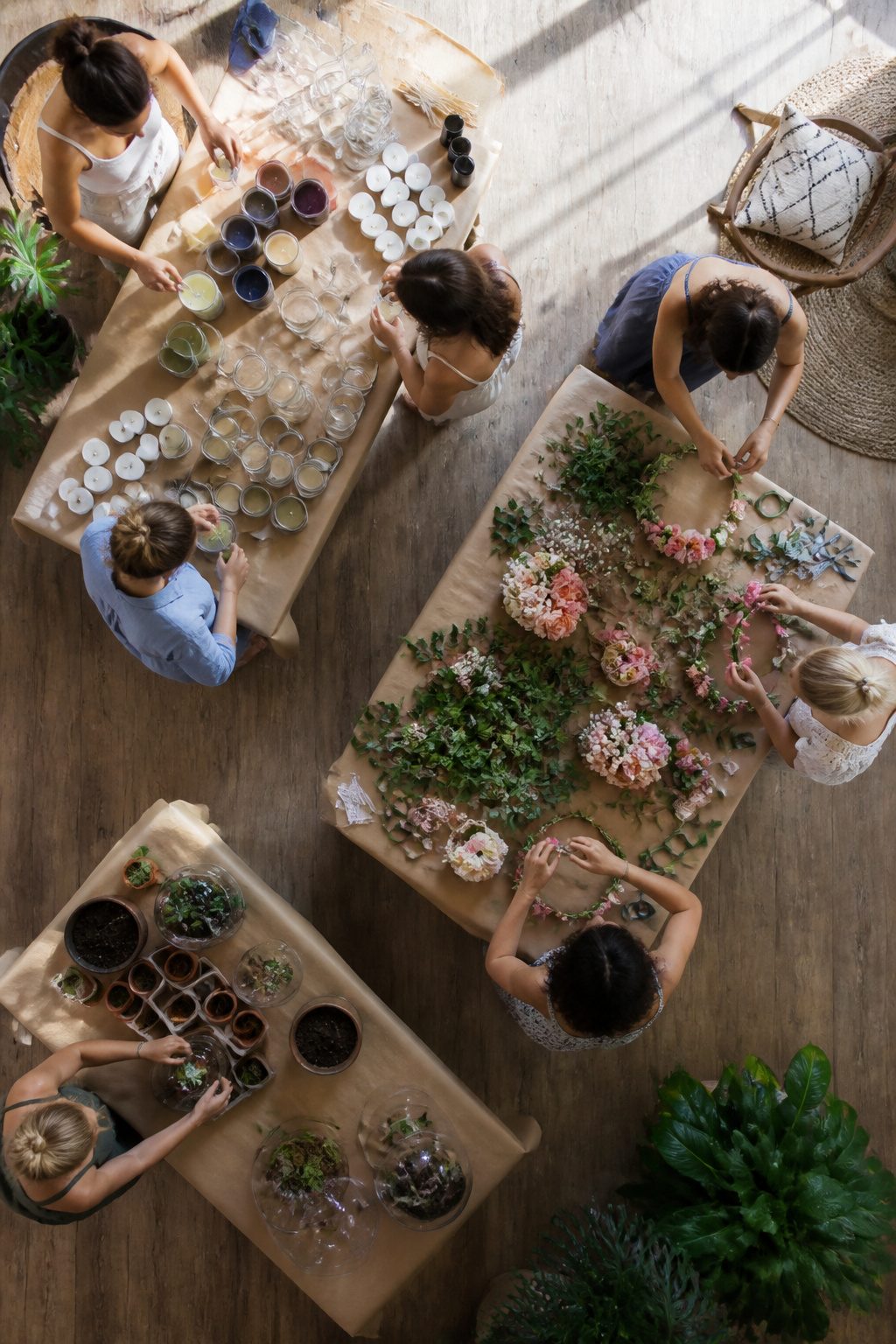
A candle pouring station runs about $4 a head for soy wax, wicks, and small glass jars from the grocery store. Flower crown assembly costs even less, since Trader Joe’s, Aldi, or any local grocery store carries the blooms, and green craft wire plus ribbon give them enough structure to survive the ride home. Terrarium building sits somewhere between, depending on whether you source moss and small succulents in bulk or let guests pick from a mixed table.
The terrarium station needed two helpers instead of one. Guests kept asking whether a layer of pebbles or charcoal went down first, and without someone moving down the line, the bottleneck backed up to the mimosas. Candle pouring had the opposite problem: the wax cools fast in a drafty room, so one person watching the double boiler can handle eight guests easily. Flower crowns practically run themselves once you demonstrate the wire wrap once.
14. The Bride’s Favorite Things
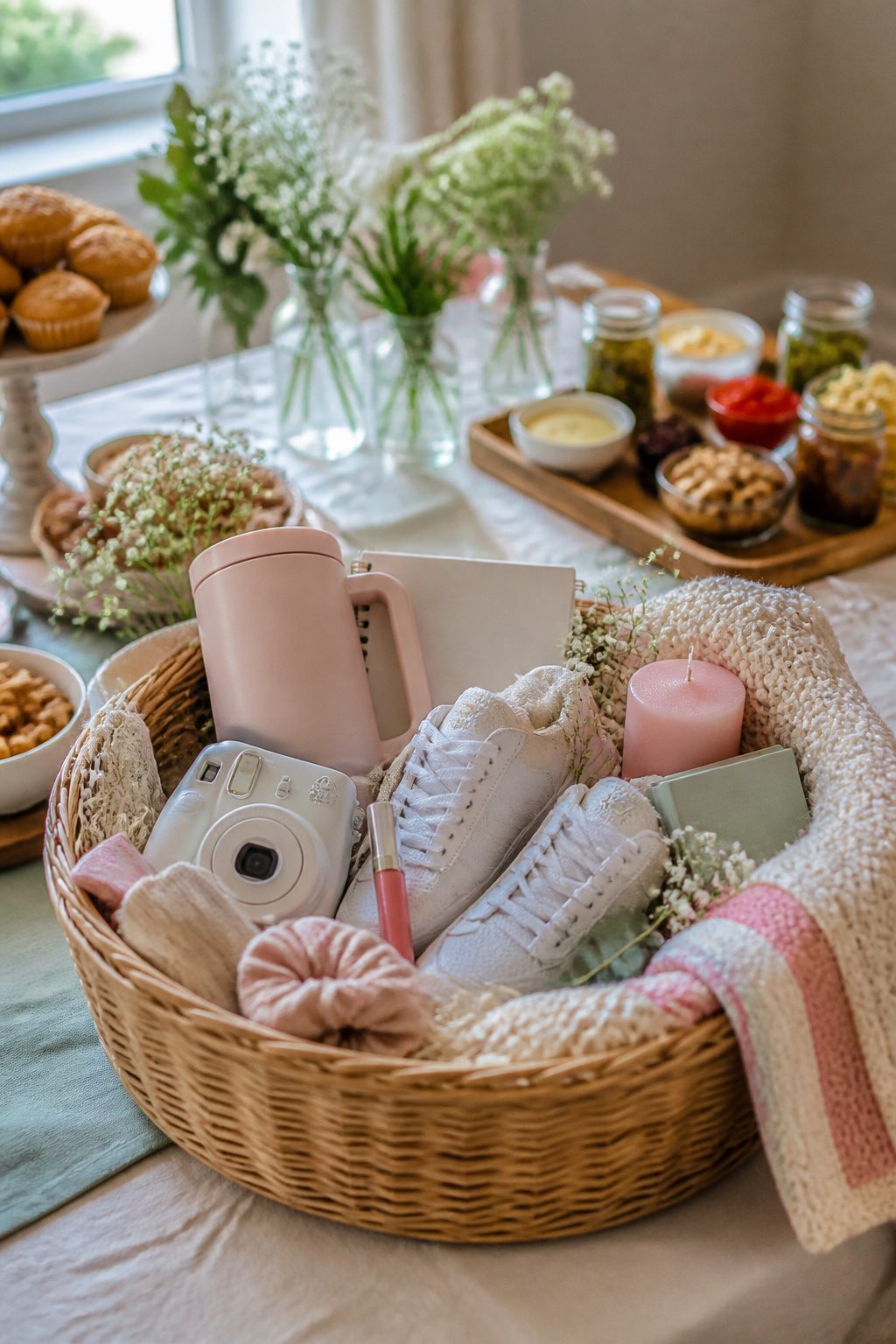
The best bridal party ideas start with the bride herself, not the algorithm. I send the maid of honor a short questionnaire: favorite snack, drink, playlist, color, vacation spot, the one condiment she keeps buying. One answer became the whole shower. The bride’s boyfriend had proposed with a bottle of her favorite hot sauce on the table, so we themed everything around that single item. Local bottles became centerpieces, a tasting station replaced the usual dessert table, and the favor was a mini bottle with a recipe card attached.
This often costs less than generic decor because the items mean something. A table of her actual favorite snacks needs no Pinterest-perfect styling to look intentional. Guests bring one small thing they love and think she will too, which builds the gift table without a rental budget. The questionnaire takes ten minutes to send and turns every choice into something she will recognize as hers.
15. High Tea with a Twist
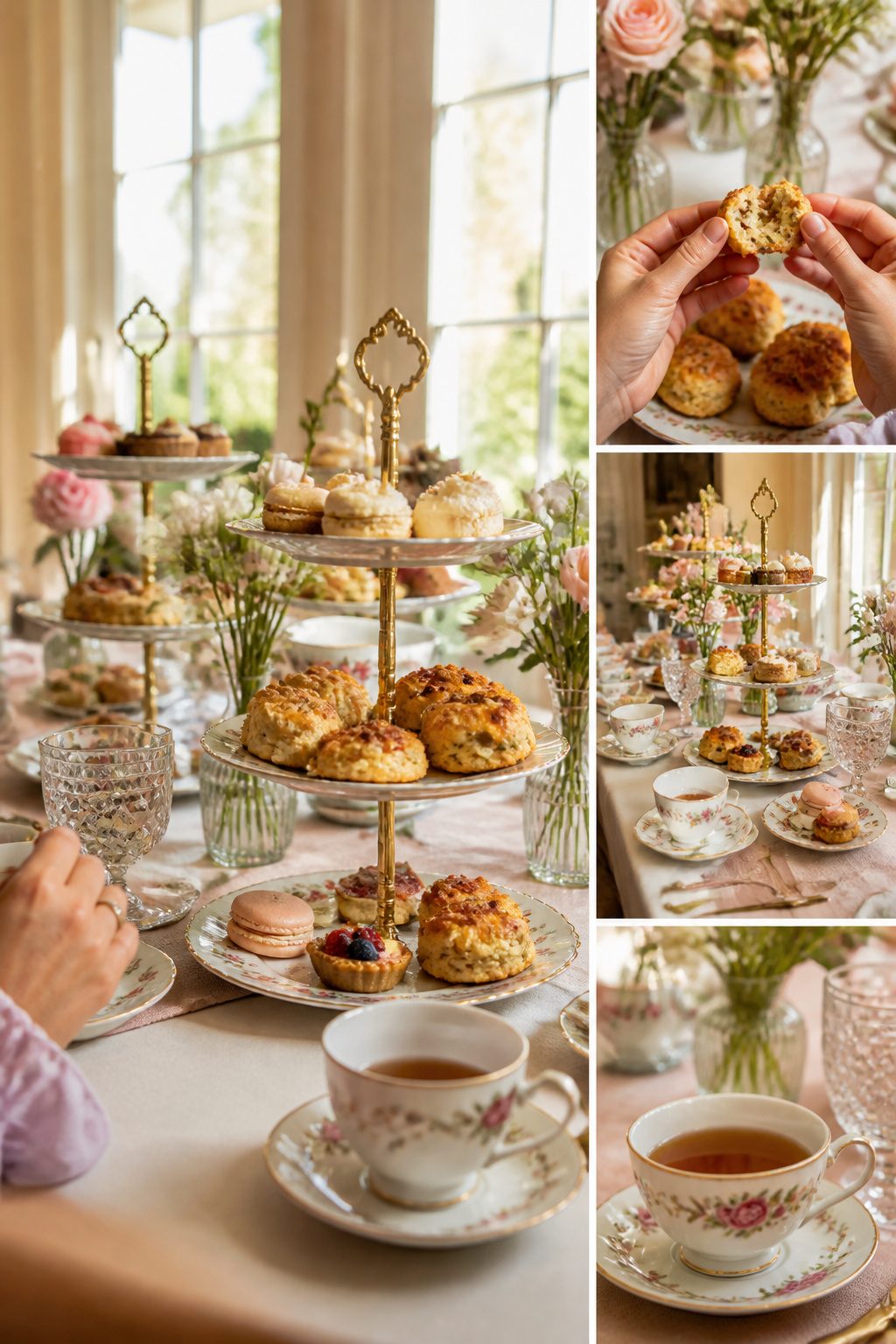
A proper afternoon tea runs in three fixed layers: finger sandwiches, scones with cream and jam, then petit fours. The twist that actually worked for me was swapping the sandwiches for savory scones loaded with bacon and chive, sharp cheddar melting through the crumb. Guests still got the ritual of the tiered stand and the clink of porcelain, but the bite was unexpected enough that people talked about it past the opening of gifts. I kept the sweet course untouched; changing one element reads as clever, changing two reads as confused.
The one I retired after a single try was absinthe cocktails at noon. The louche looked dramatic in the coupe glasses, but the anise hit hard against delicate pastries, and two guests simply stopped drinking. A cocktail can replace tea, but it needs to cooperate with the food already on the plate. Gin and tonic with cucumber works; anything that fights the sugar does not.
Games That Actually Work
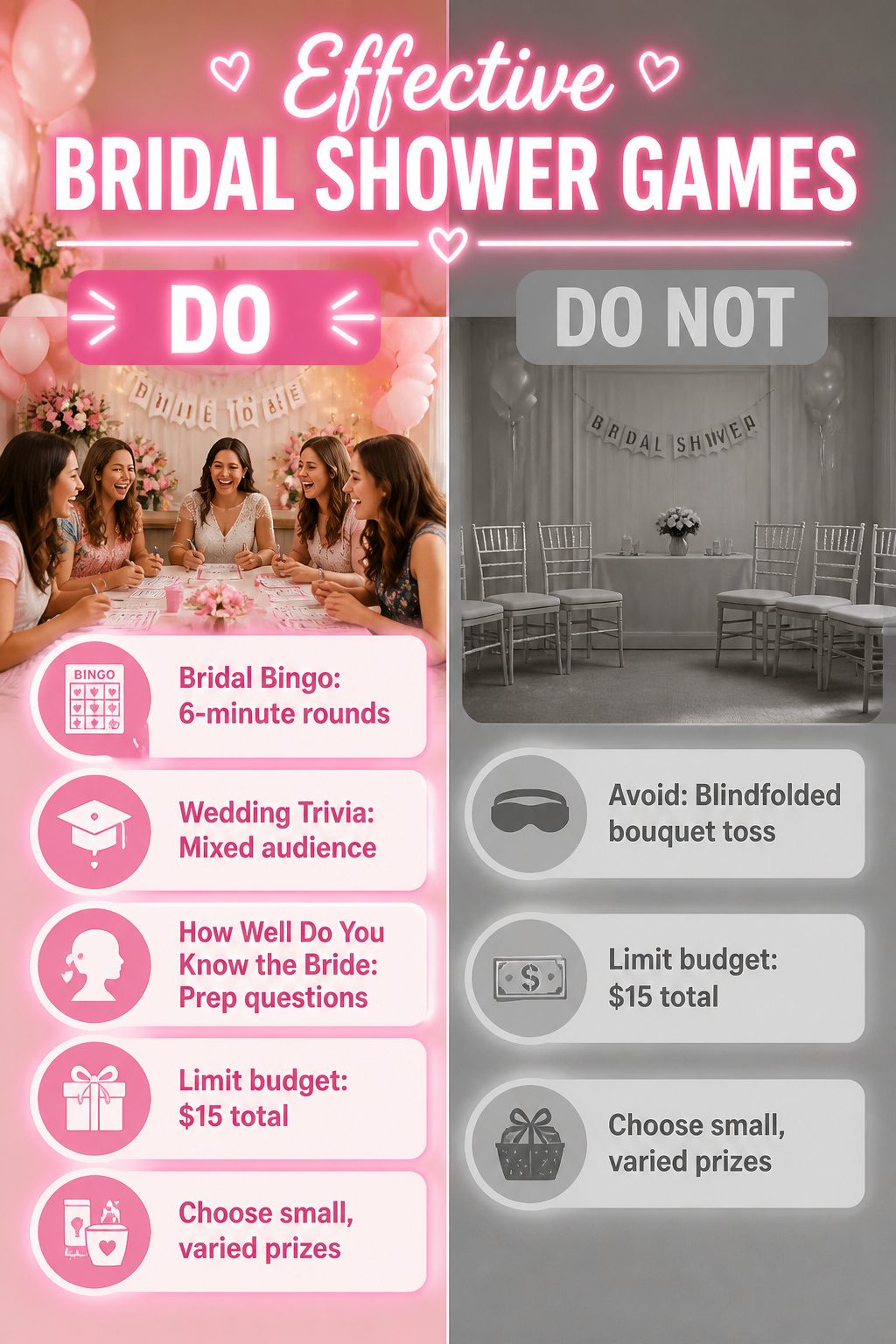
Printable game bundles run about $10 on Etsy, which already beats renting a single cornhole set. For groups between 8 and 35 guests, three formats actually hold up: Bridal Bingo, Wedding Trivia, and How Well Do You Know the Bride. The catch is the room dies without structure.
Bridal Bingo works when you cap rounds at six minutes and use dollar-store prizes. Wedding Trivia needs questions the groom’s college friends and his grandmother can both answer; I screen for that split. How Well Do You Know the Bride? backfires when answers are too obscure, so I now send the groom five questions in advance and build the game from those.
The game I retired after three silent rooms was the blindfolded bouquet toss. Every source lists it, and every room froze. Some activities survive on repetition in articles, not on what guests actually do.
Prize budgets stay under $15 total. Mini lotions, tea sachets, or a $3 Starbucks card split across winners work better than one big basket that eats the budget and creates a single awkward winner.
Food and Drink by Head Count
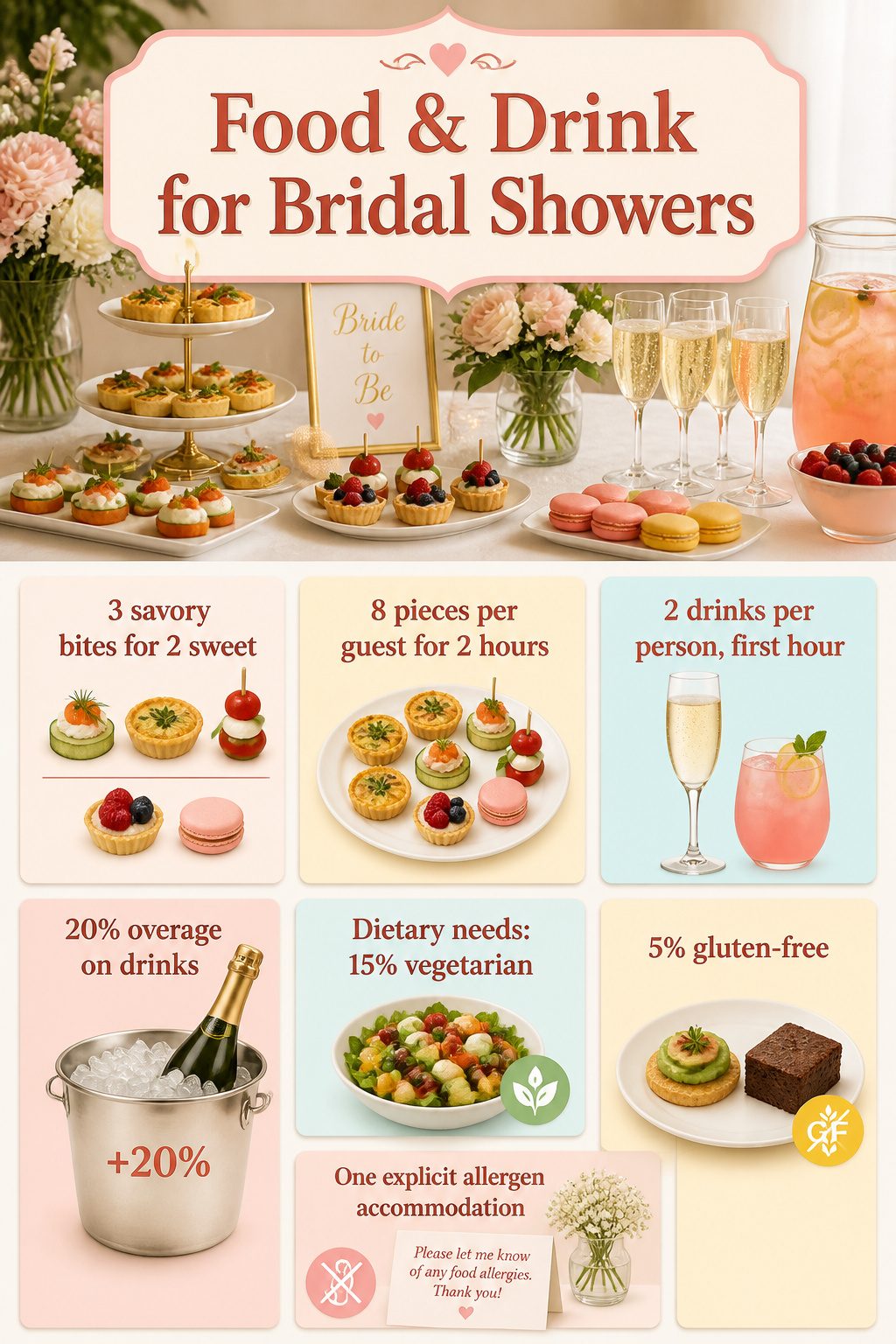
The ratio that keeps a shower from feeling like a dessert buffet or a catered lunch is three savory bites to every two sweet ones. I plan for eight total pieces per guest if the event runs two hours, scaling up to twelve for a three-hour gathering. Drinks move faster than most hosts expect: figure two beverages per person in the first hour, then one per hour after that. I now build in 20% overage on every drink order after watching a 24-person shower drain every bottle of prosecco ninety minutes in. The lesson cost me a last-minute grocery run and a lot of apologies. For dietary needs, my working default is 15% vegetarian, 5% gluten-free, and one explicit allergen accommodation I ask about directly rather than guessing from the RSVP card. Those percentages shift if I know the crowd, but starting from them prevents the empty-plate moment that lingers in guest memory longer than any centerpiece.
Decorations That Read as Intentional
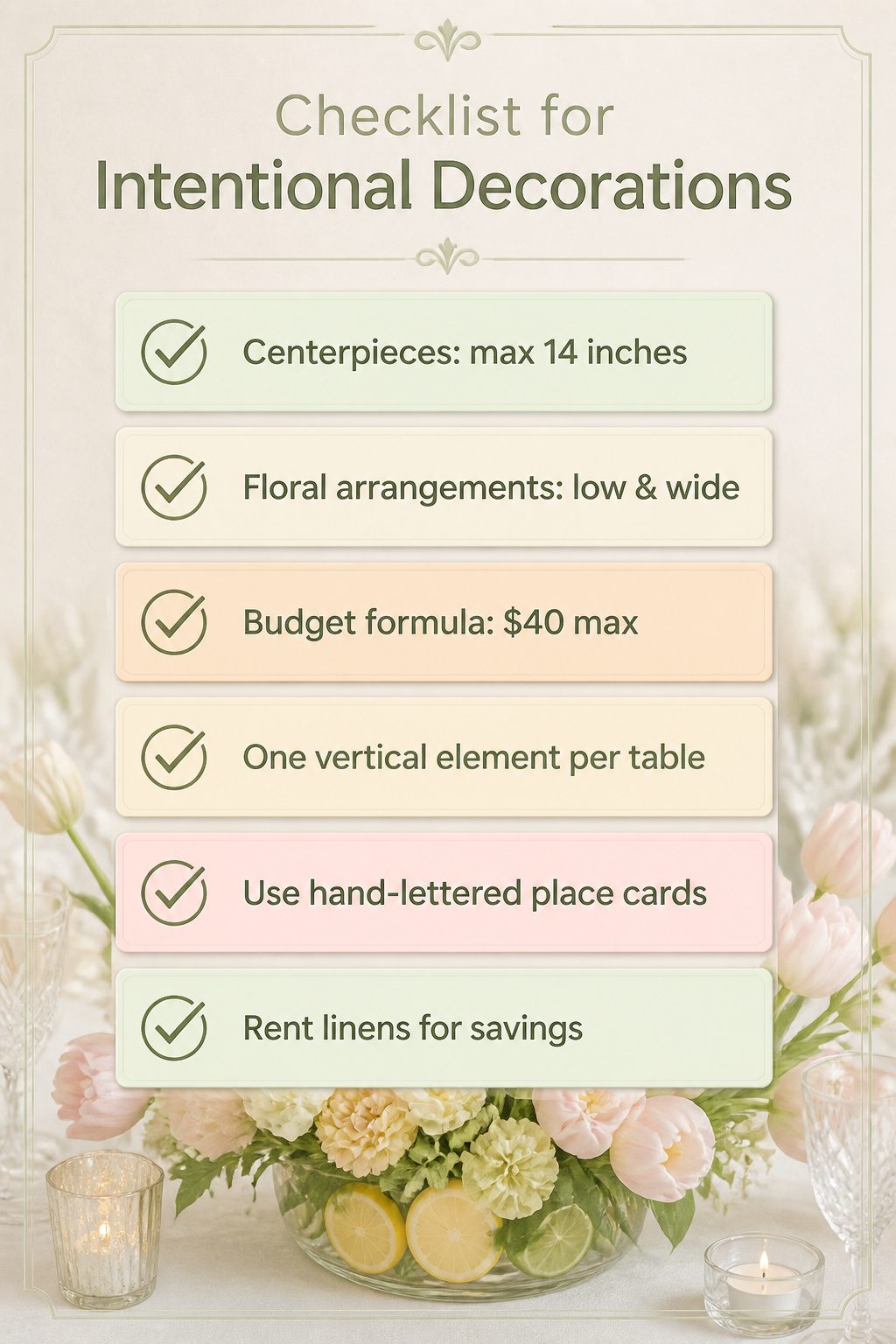
A centerpiece taller than fourteen inches blocks conversation across the table, which is the first rule I check before buying anything. Floral arrangements should sit low and wide, or go tall with a thin stem and elevated bloom so guests can see through the gap. My $40 formula runs a glass cylinder vase, two bunches of grocery-store tulips or carnations depending on season, and a bag of lemons or limes dropped in the water for color. The fruit does the work of a $200 professional dye job.
Table settings need one vertical element only, and it should not be the centerpiece if you are doing chargers or tall menus. I learned this the hard way at a shower where the candlesticks and the floral dome fought each other; guests kept shifting plates to see. Pick your height, commit, and let everything else lie flat.
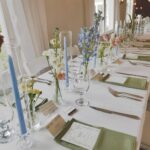
The single personalized element that makes guests notice effort is usually something they touch. A hand-lettered place card costs little and takes an hour. Printed ones read as ordered; the slight wobble of real ink reads as thought about.
Rental linens beat buying once you need more than three matching tablecloths. Storage and laundering eat the savings, and polyester banquet rounds from the big retailers photograph with a shine that reads cheap.
Guest Favors Worth Taking Home
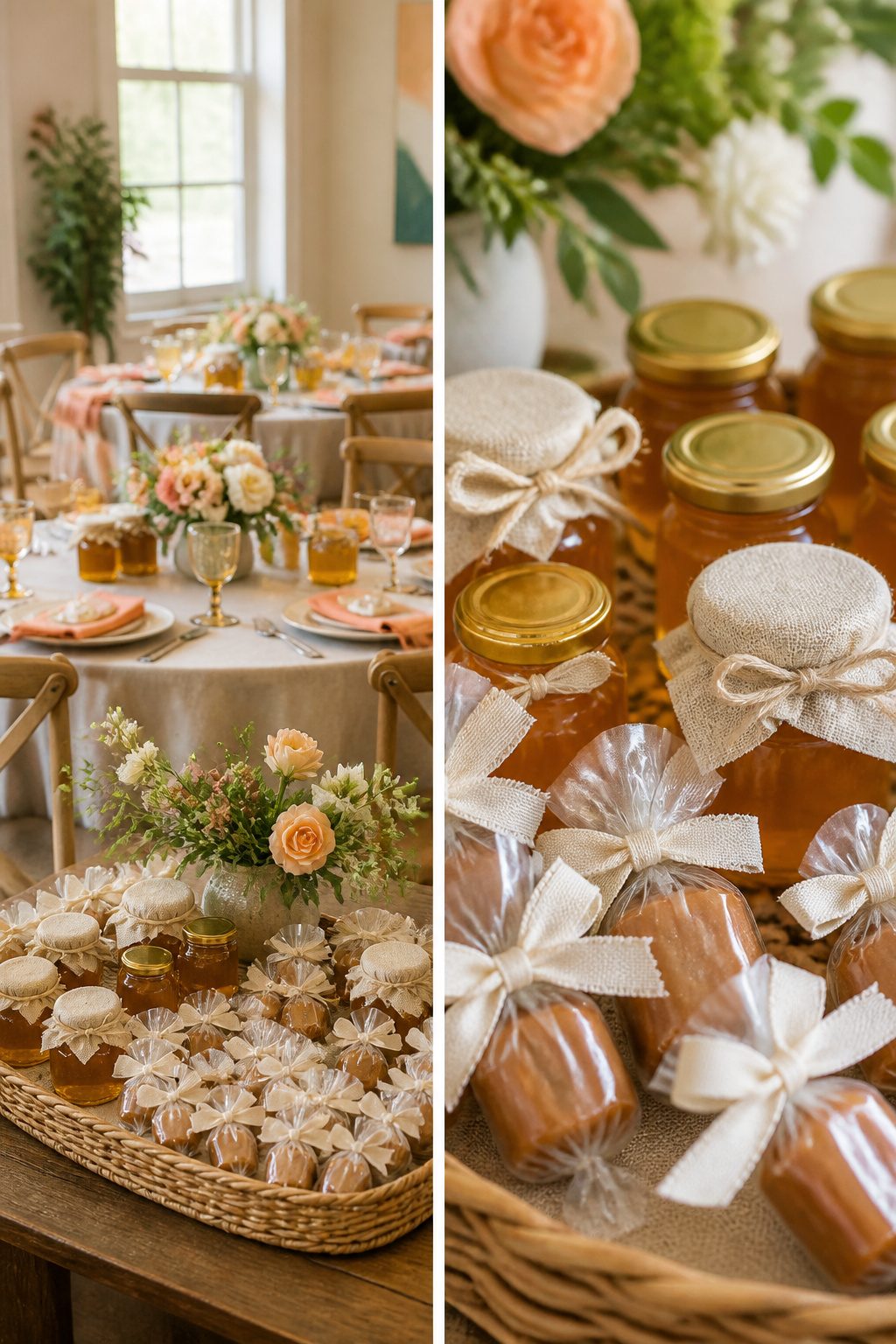
The favors guests actually pack are the ones they can eat, use, or plant. Everything else stays on the table until the host throws it out.
Edible favors travel best. Small jars of local honey or wrapped caramels from a neighborhood shop cost roughly $3–$5 each and vanish into purses before the shower ends. I have seen guests leave wrapped soaps and mini candles behind; the candles, in particular, fail when summer heat hits. A friend once loaded favors into her car for a July shower, and the soy wax pooled into the paper bags before she reached the venue. The scent was pleasant, but the bags were unusable.
Usable favors that survive heat include lip balms or small hand lotions, especially if you order from the same local makers who supply wedding welcome bags. Budget $4–$6 each and skip anything requiring refrigeration.
Plantable favors are the wild card. Wildflower seed packets run about $2–$4 each and sound sentimental, but they only work if the seeds match your guests’ growing zones. I distributed pollinator-friendly mixes at a spring shower; three months later, a guest texted a photo of actual blooms. Another packet went to an apartment-dwelling friend who had no soil. The favor is thoughtful only when it is plantable by the person receiving it.
What a Bridal Shower Is and Who Hosts
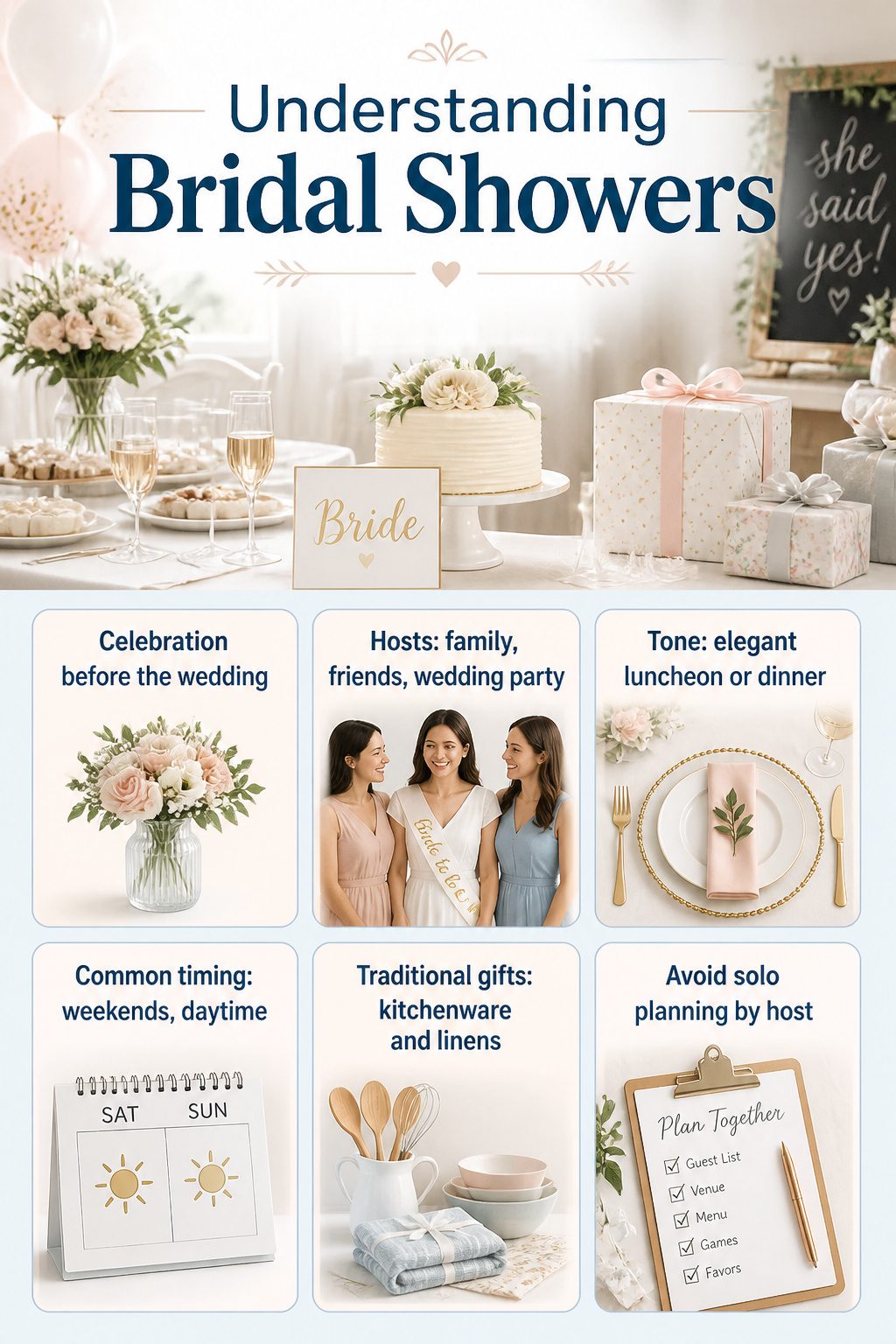
A bridal shower is the pre-wedding celebration thrown for the bride, usually a few weeks to a couple of months before the wedding day. Close friends and family gather to shower her with love and practical gifts, kitchenware and linens being the traditional fare, while the bride’s nearest and dearest show their support before she takes the big step.
The hosting etiquette trips people up more than it should. Traditionally the maid of honor, the wedding party, or the bride’s family and friends take the lead, but I’ve watched too many first-time maids of honor freeze at the starting line, unsure whether asking for help looks irresponsible or whether going solo looks controlling. The shower is meant to prepare the bride, not test the host. Unlike a bachelorette party, the aesthetic runs more elevated, a luncheon or dinner party rather than a night out, and that difference in tone is where the guest list and gift expectations settle.
Daytime on weekends is the standard slot, though there’s flexibility to suit the bride’s schedule and the availability of key guests. The mistake I see most is a host who picks a date based on her own calendar alone, then wonders why half the guest list sends regrets.
Frequently Asked Questions
What is a bridal shower?
A bridal shower is a celebration held for the bride-to-be before her wedding day. Close friends and family gather to shower her with love and practical gifts that help her prepare for married life. Unlike a bachelorette party, it usually takes the form of a luncheon or dinner party with a more elevated tone.
When should the bridal shower take place?
The bridal shower is usually held a few weeks to a couple of months before the wedding day. Consider the bride’s schedule and the availability of key guests when choosing a date. Traditionally, showers are held during the daytime on weekends, though timing can flex to fit individual preferences.
Who should host the bridal shower?
The bridal shower is typically hosted by the maid of honor, the wedding party, or the bride’s family and friends. Close friends or family members of the bride usually take the lead, since they know her tastes well enough to plan something personal.
How do I choose a theme for the bridal shower?
Pick a theme that reflects the bride’s personality and interests. Something as simple as her favorite drink, snack, or vacation spot can anchor the whole event. One shower in the article was built entirely around the bride’s favorite hot sauce after it appeared on the table during her proposal.
What kind of games can be played at a bridal shower?
Bridal Bingo, Wedding Trivia, and How Well Do You Know the Bride are the three formats that actually hold up for groups between 8 and 35 guests. Cap Bingo rounds at six minutes with dollar-store prizes. For Trivia, screen questions so both the groom’s college friends and his grandmother can answer them. Build Know the Bride from five questions you send the groom in advance, so answers never get too obscure.