A wedding photography shot list is a working brief that keeps the right people and moments from slipping through a compressed day. The catch is that a bloated list turns your photographer into a checklist reader instead of a witness. Keep it to 30–60 key moments for a full day, and the photographer still has room to catch what you did not know to ask for.
Getting Ready Photos

The 45–90 minute window before the ceremony is where the visual tone of the entire day gets set. Hair and makeup running behind is the single most common way this phase gets compressed or lost, so pad the schedule by 30–45 minutes and share that buffer with your hair and makeup team. With a large wedding party or multiple locations, lean toward the longer end.
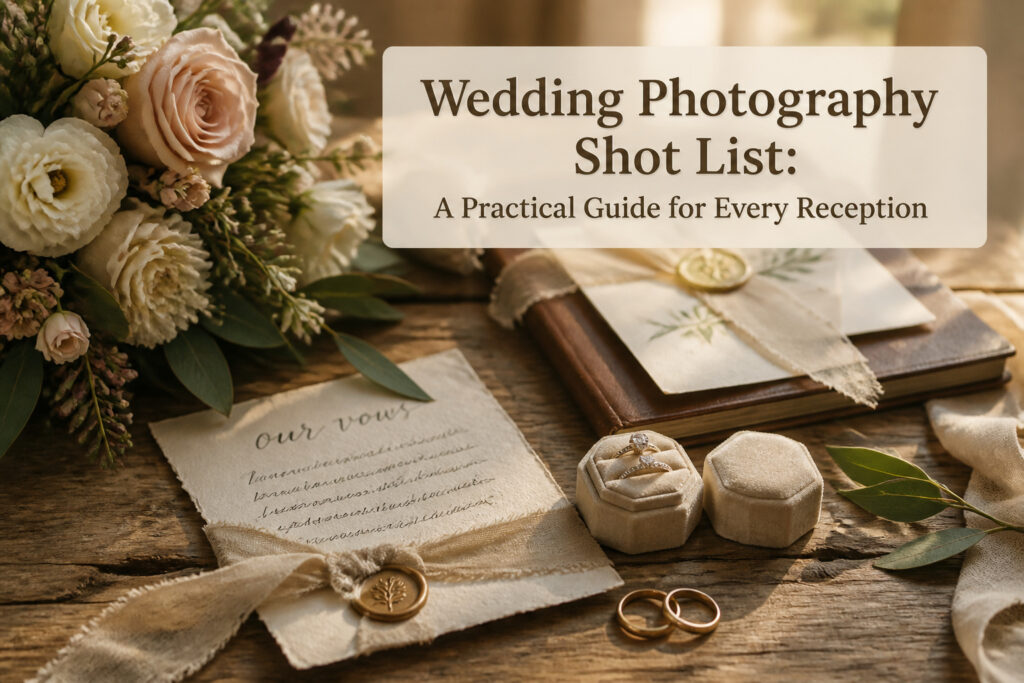
Specific shots that matter here: the dress hanging in good light, shoes and jewelry arranged as flat lays, the makeup application itself, the hands buttoning or zipping the dress, and the quiet minutes right before leaving when the energy shifts from preparation to anticipation. These are not filler shots. They are the context that makes the later ceremony photos feel grounded in a real morning, with real people, rather than appearing out of nowhere in formal clothes.
The flat lay of flowers, stationery, accessories, rings and shoes deserves its own moment of attention, not a rushed afterthought. The bride putting on the dress with help from her mother or bridesmaids, and the bridal party sharing a toast, carry the emotional weight that staged photos rarely recreate. A photographer who knows this phase well will watch for the mother tearing up rather than asking anyone to re-zip the dress for the camera.

Package Includes: the package will offer you 5 pieces of square photo cubes and 1 piece of rectangular acrylic riser, a total of 6 pieces; Sufficient quantity can satisfy your various displaying demands, and you can apply alone or together

This easy-to-interchange 2 in 1 design gives you the option to store/display 1 rings or 3 rings! Simply lift out insert to change from a 3 ring box to single ring box.
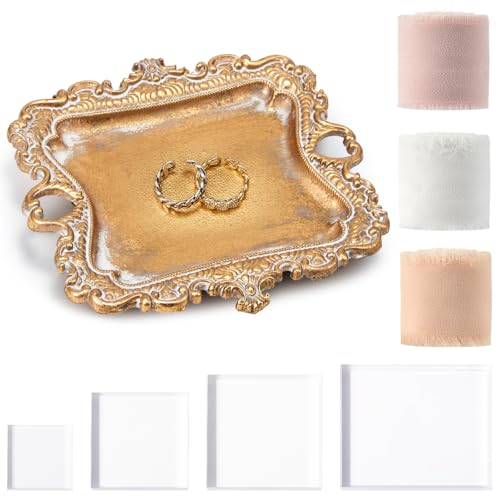
Elegant Antique Jewelry Dish: vintage gold jewelry tray measures 4.72 x 4.33 x 0.59 inches; It is an ideal piece for storing or displaying your rings, necklaces, and other jewels
Detail Shots

Rings, invitations, florals, and venue decor rarely feel urgent in the moment, but years later they become the keepsakes that trigger memory. The perfume bottle on your dresser, the handwritten vows you folded into your pocket, the custom signage your friend lettered the night before: these items carry weight precisely because they are small.
Gather everything in one place before the photographer arrives. Rings, both sets of vows, any heirloom items, perfume bottles, and custom signage belong together in a single spot, ideally near a window for natural light. When couples do this, the detail set takes 15 to 20 minutes. When items stay scattered across hotel rooms and bridal suites, the hunt for them fractures the day instead.
Flat lay styling, where the photographer arranges these pieces together editorially, has become standard. The invitation suite, menu cards, place cards, and any ceremony programs deserve real time on your list; these are the most-pinned and most-published images from any wedding feature. Bouquets and boutonnieres, altar decor, and reception space shots taken empty before guests arrive round out the visual story.
The practical call is simple: designate one trusted person to collect and guard these items. Without that person, the detail shots happen in fragments, or not at all.

Vintage Velvet Design: Our ring box is made of high-quality velvet, this material is commonly found in high-end jewelry stores, and is more textured than other materials, it is the best choice for proposals, weddings, photoshoots

Elegant Antique Jewelry Dish: vintage gold jewelry tray measures 4.72 x 4.33 x 0.59 inches; It is an ideal piece for storing or displaying your rings, necklaces, and other jewels

First Look Photos

A planned first look opens up roughly an hour of portrait time that would otherwise compress into cocktail hour. The setup is simple: a private location, the photographer hidden or at a distance, and the couple arriving separately for the reveal. What follows is a 10- to 15-minute emotional window where the couple has space to react, breathe, and reset before the ceremony begins.
That hour gets you couple portraits, wedding party shots, and sometimes even family formals finished early. Cocktail hour becomes actual breathing room instead of a rushed photo session.
Some couples still wait for the aisle, and either choice reshapes the timeline. The aisle-first route keeps tradition intact but stacks every portrait into the post-ceremony window, usually 40 minutes to two hours depending on how many combinations you need. The first look trades that surprise for calm and a longer celebration with guests.

Elegant White Floral Vellum: Transform your 5x7 invitations with our exquisite white floral printed vellum jackets. The delicate botanical patterns combined with the translucent paper create a timeless, ethereal look that complements any classic or church wedding theme.
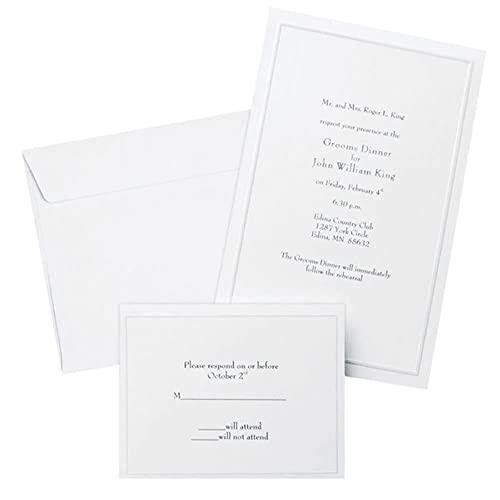
Give your special day the significance it deserves with the classic and pristine design of our convenient print at home invitations and response cards
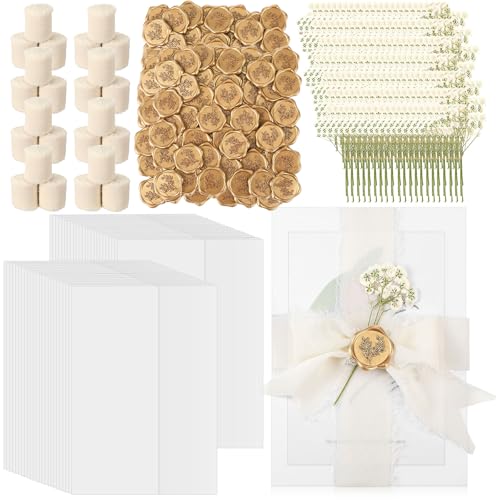
Comprehensive Wedding Package: the wedding invitation accessories include 100 pre folded vellum jackets, 18 rolls of beige chiffon silk ribbons, 100 gold wax seal stickers, and 100 natural dried pressed flowers; It's truly ample for your wedding invitations needs
Ceremony Photos

The ceremony is where most couples assume the photographer just knows what to do, but a short list of cultural or personal additions still matters. The standard moments run from processional through recessional: giving away, vows, ring exchange, first kiss. Each has its own positioning problem. The officiant often blocks the couple from center-aisle during vows, and some venues restrict movement entirely, meaning the photographer cannot circle for a clean angle on the ring exchange. An overhead close-up of hands works only if the shooter planned for it and the venue allows stepping into the aisle. The first kiss needs two framings: a wide shot that captures the full altar scene and a tight close-up. The recessional, with guests reacting, is easy to miss if the photographer is still repositioning from the kiss. Most shot lists include the signing of the marriage license if it happens during the ceremony window, though some couples move that to a private moment before or after. What the generic lists rarely cover are readings by family, the officiant’s expression, or parent reactions as the bride approaches. Those are the shots couples later wish they had specified, especially when the venue layout already limited what was possible.
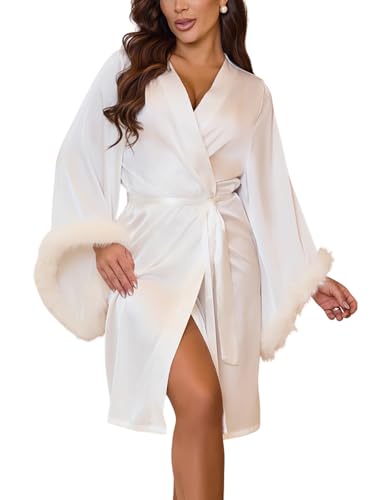
LUXURIOUS DESIGN: Elegant white satin robe featuring glamorous faux fur trim details and dramatic bell sleeves for a truly luxurious bridal experience
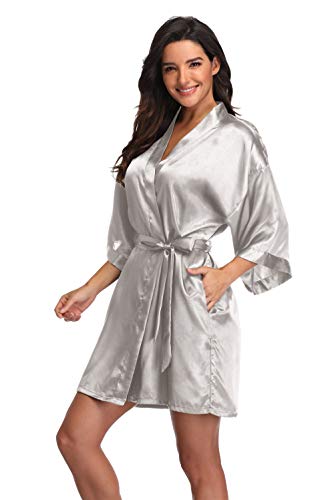
Light and sleek fabric to accentuate curves; Smooth to the touch and easy on the skin.

LUXURIOUS DESIGN: Elegant white satin robe featuring glamorous faux fur trim details and dramatic bell sleeves for a truly luxurious bridal experience
Family Portraits

Family portraits are where the timeline goes to die, so the hard cap matters. Keep the list to 10–15 groupings total, with each setup running 2–4 minutes. That lands you at 30–60 minutes, and anything past that starts eating into cocktail hour or photo time you wanted for yourselves.
The standard sequence runs: the two of you with both sets of parents, then each side separately, siblings on each side, grandparents if they’re present, and any blended-family combinations that fit your situation. A photographer who has never met your relatives cannot work from labels like "bride’s family." Write down first names, and note the relationship. "Bob" is not enough when there is a father Bob and a brother Bob, and the wrong person in the frame costs you a redo you do not have time for.
The same specificity protects feelings. "Partner 1’s parents" on a printed sheet, handed to the photographer and to whoever you have wrangling people, avoids the moment where someone realizes they were grouped by a title that no longer applies. Name them. The list is a working document, not a family tree for the album, and clarity there is kindness.

Makeup Brush Set: There are 10 sets of makeup brushes set in the package, each set includes 8 brushes, such as loose brushes, blush brushes, foundation brushes, smudge brushes, mascara brushes, eyeshadow brushes, etc., which are all in one package, so you can easily create the perfect makeup look.


Makeup Bag Bulk Set: You'll get 10 pink waffle makeup bag organizers, making this set suitable for personal use, group events, gift preparation, bridesmaid favors, and travel packing. Each travel cosmetic bag for women measures approximately 7.5 x 4.3 x 3.15 inches(19 x 11 x 8 cm), providing practical storage space for cosmetics, skincare items, toiletries, brushes, and daily essentials while keeping belongings neatly organized.
Wedding Party Photos

Formal lineup shots and the looser, personality-driven images couples usually prefer in retrospect are two different animals, and the gap between them widens the longer the group stands there. The stiff rows, everyone facing forward, hands at sides, serve a purpose: grandparents want them, parents frame them, and they prove the whole party was present. But the photos couples actually return to, the ones that end up printed and hung, are the ones where the wedding party is mid-laugh, leaning on each other, or reacting to something that just happened. Those require a different approach from the photographer and a different patience level from the group.
The timing for wedding party photos is almost always sandwiched between ceremony and reception, when energy is high but patience is thinning. People have just cried or cheered, they want a drink, and the photographer has maybe 20–30 minutes before the crowd scatters. Designate one person per side who knows names and can rally stragglers. The photographer does not know your cousin from your college roommate, and shouting "we’re missing someone" into a cocktail hour wastes minutes that cost you the candid shots later. That designated wrangler should have the list, know the faces, and be willing to step away from their own drink to hunt down the one groomsman who wandered toward the bar.

Package Includes: the package will offer you 3 pieces of square photo cubes, 1 piece of rectangular acrylic riser and 2 pieces of round photo cubes, a total of 6 pieces; Sufficient quantity can satisfy your various displaying demands, and you can apply alone or together
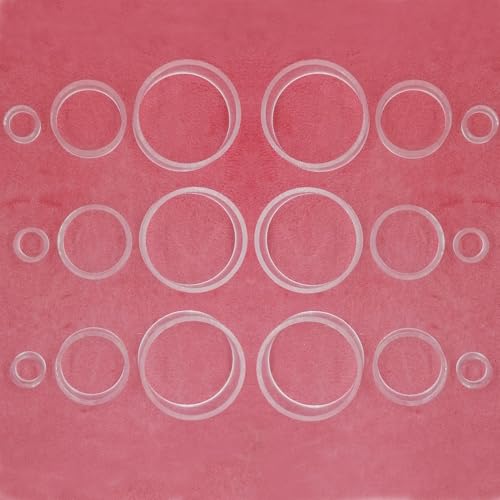
These flat lay floral risers kit are a MUST for your wedding photography styling kit! These round cut out circles are perfect for elevating your paper goods as well as getting flowers to sit upright in your images.

Wedding Display: vintage gold jewelry tray measures approximately 4.72 x 4.33 x 0.59 inches, wedding ring box with double slots, designed to store and display wedding rings together, velvet ring box paired with jewelry tray, exquisite and elegant, making every wedding more memorable
Reception Photos

Reception coverage runs about three to four hours, and the density of that window is what trips most couples up. The photographer needs the exact sequence of the night in advance: speeches before the first dance or after, whether there is a parent dance, when the cake cut happens, and what the exit looks like. Without that briefing, you get a photographer who is guessing while the moments pass.
The tension here is real. A photographer circling every table with a flash changes the atmosphere; guests perform instead of celebrate. A shot list for the reception should name half a dozen must-haves, not attempt comprehensive coverage. The toasts and your reactions to them, the first dances, parent dances, cake cutting, open dancing, and candid guest moments: these are the categories that matter. Prioritize which ones you actually care about. If the parent dance is non-negotiable, say so. If you would rather have forty minutes of unnoticed candids than posed table shots, that trade-off belongs in the list you review with your photographer ahead of time.
Treat any checklist as a starting point rather than a rigid rule. The photographer still needs room to catch the organic scenes as they develop. The final list should reflect your vision while leaving space for the moments you did not know to ask for.

Vintage velvet design: Our ring box is made of high-quality velvet, this material is commonly found in high-end jewelry stores, and is more textured than other materials, it is the best choice for proposals, weddings, photoshoots

【Ring Box For Wedding Ceremony】 Standard oval art wedding ring box designed 3 slots for holding Mr and Mrs rings, highlight your rings at the center. (Fit for 1-3mm band rings, can't for too big rings, please kindly note.)

Post-Wedding Photos

A day-after session in full wedding clothes fixes what the timeline broke. When rain pushed the couple I was coordinating last spring inside for every formal shot, they booked two hours the next morning at the same venue for the outdoor portraits they had imagined. The light was softer, the pressure gone, and they got images the wedding day itself could not deliver.
Trash-the-dress shoots and anniversary sessions months later fill the same gap, though the dress is usually a stand-in or cleaned by then. These sessions are the first cut when the budget tightens, and almost always the first thing couples mention wishing they had kept. The photographer’s fee runs separate from the wedding package, often at a reduced rate but still a real addition to an already-stretched line item.
The couples who book them anyway usually had weather fail, a vendor run late, or simply ran out of daylight. The cost stings less in planning than the regret stings after.

Size: Our wedding invitation cards are measures 4 x 6 inches.

Wedding Invitations Wrap Set: you will receive a comprehensive wedding invitation accessories package, including 50 rose gold foil pre folded vellum jackets for 5x7 invitations, 50 pink natural dry pressed flowers, 50 pink wax seal stickers, and 8 rolls of pink chiffon ribbons, which can meet your needs for making exquisite invitations

Personalized for your celebration: Customize your names, wedding details, venue, RSVP information, and wording for weddings, anniversary celebrations, or vow renewals.
What a Shot List Is For

A wedding photography shot list is insurance, not a script. The point is to keep the rings with the best man from slipping your mind at 6 p.m., not to turn your photographer into a cinematographer taking storyboard orders.
Most photographers I have talked with draw a hard line here. Hand them creative direction and they will push back; hand them a short, prioritized list of groupings and moments and they will thank you. The difference matters because a bloated list kills the very thing you hired them for. A 60-line list says you have thought it through. A 200-line list says you have not prioritized anything, and the photographer spends the afternoon checking boxes instead of reading the room.
For a full day of coverage, 30 to 60 key moments is the standard scope. That is enough to cover getting ready through the send-off without turning the wedding into a photo shoot with a ceremony attached. The photographer still captures 400 to 800 images total; the shot list just makes sure the right people and the right moments are inside that haul.
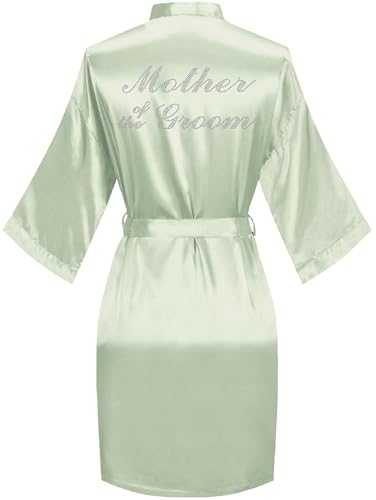
Soft, Comfy, Lightweigtht and Smooth Fabric.

Silky smooth fabric, soft, lightweight and comfortable.

Soft, Comfy, Lightweigtht and Smooth Fabric.
Timing and Workflow

A wedding photography shot list lives or dies by the clock it is pinned to. Getting ready photos need to end before hair and makeup finish, not after, or the florist arrives to a bride still in a robe. Family portraits scheduled during cocktail hour sound elegant until you do the math: each grouping takes 2–4 minutes, and ten groupings is not ten minutes, it is twenty to forty. That is half a cocktail hour gone, and the kitchen does not wait.
I have watched timelines collapse because a couple scheduled family formals post-ceremony without a wrangler. One missing uncle becomes a ten-minute search that pushes dinner back, costs overtime for four vendors, and leaves guests hungry while the photographer repeats a grouping because someone blinked. The fix is either moving portraits pre-ceremony, which requires a first look, or keeping the list short and assigning a wedding party member to chase strays.
Reverse-engineer from ceremony start, not forward from breakfast. Pre-ceremony portraits need 45–60 minutes; family formals post-ceremony need 30–45. Build in the buffer you will use, because someone always needs a lipstick check or a shoe found.

Indian Wedding Dressup Makeup Salon

PERFECT GIFTS:No refusal!! This bride cosmetic bag is perfect as the bridal shower gift for bridesmaid, bride, guest, friend on bachelorette party, wedding, bridal shower, honeymoons and other holidays.

Rose Gold Radiance - A glowing shimmer finish in a soft rose gold hue. Perfect for date nights or bridal-inspired makeup, adding elegance and glow with every blink.
Family Dynamics on Paper

The shot list becomes a diplomatic document the moment you write down a name. "Extended family" is not a shot. "Sarah, Mike, Jen, and Tom" is a shot. Your photographer has never met these people and will not sort out relationships from last names alone. Two Bobs in the same family means roll call confusion and wasted minutes while someone explains which is which.
Divorces, deaths, language barriers, the uncle who cannot be in the same frame as his ex-wife: these land on the page as plainly as the groupings themselves. I have seen a photographer call a deceased parent’s name into a silent courtyard because no one thought to flag it. The list is where you prevent that, not where you hope the professional reads the room.
The balance is practical, not therapeutic. Name the person, name the relationship, note the constraint. "Bride’s mother and stepfather; bride’s father photographed separately." Enough detail to keep the afternoon moving, not enough to write a family history. The photographer needs to roll through groupings efficiently, not mediate twenty years of grievance.
Limit the list to fifteen groupings per thirty-minute block. Exceed that and you need two minutes per group or extended coverage. The time limit forces you to decide what matters rather than hedging with every possible combination.
When to Finalize

The standard window for locking in your wedding photography shot list is two to four weeks before the wedding. Earlier than that, and the document becomes a moving target: vendors shift, final RSVPs trickle in, and family members you thought were traveling solo announce a new partner. Later, and you rob your photographer of prep time and your relatives of warning.
Final means frozen. The groupings are set, names are confirmed, and no one is adding combinations on the fly unless someone literally does not show up. Day-of additions are where family formals balloon from twenty minutes to an hour, and where someone always ends up missing from the frame while they are fetching a cousin from the bar. Appoint one trusted person to gather bodies; your photographer does not know what your relatives look like, and reading down a clean list only works if the list stays clean.
Frequently Asked Questions
How many photos should be on a wedding shot list?
A solid wedding photography shot list runs 30 to 60 key moments across the entire day. That range covers getting ready through the send-off without turning the celebration into a photo shoot. Photographers typically deliver 400 to 800 images total; the list simply makes sure the right people and moments are inside that haul.
Should couples give photographers a shot list?
Yes, but keep it short and focused on family groupings and moments the photographer cannot guess. The list works as insurance, not a script, so the photographer still has room to read the room and catch what unfolds naturally. Most professionals push back against creative direction but welcome a prioritized, realistic list of must-haves.
When should the shot list be finalized?
Lock it in two to four weeks before the wedding. Earlier and RSVPs or family changes will scramble your names; later and the photographer loses prep time and relatives miss the heads-up. Once set, treat it as frozen. Day-of additions are where formals balloon from twenty minutes to an hour and someone always ends up missing from the frame.