
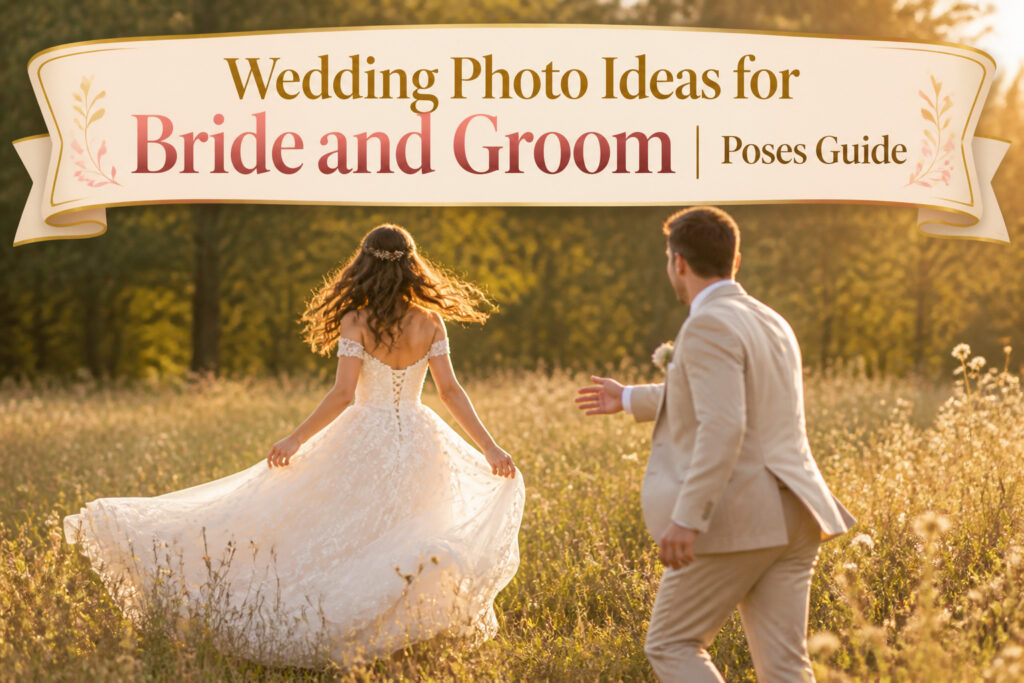
Wedding photos bride and groom range from fully staged to entirely unscripted, and the difference between a pose that feels alive and one that falls flat usually comes down to whether the couple is actually moving. The chase pose, where one partner walks ahead and glances back, only works if the trailing partner genuinely speeds up or reaches; a shortened stride and a hand half-raised read as intention, while a slow walk turns it into choreography.
1. The Wrap and Kiss

The wrap and kiss reads as one of the sweeter, more contained poses in a couple’s set. The groom’s arms come around the bride from behind, she turns slightly toward him, and they meet for a kiss. The angle shows both faces plus the rings, and the body language carries excitement without needing movement or wind in the dress.
This pose works best during the calmer pockets of the day, not the aisle exit when momentum is carrying you forward. I schedule it for the portrait session, after the ceremony energy has settled but before the light goes flat. The couple is still flushed from the vows, which registers in the skin and the posture, but they have thirty seconds to hold still.
The forehead variation, where the kiss lands higher, changes the read entirely. It softens the pose from romantic to tender, and it works well if one partner is noticeably taller or if the bride wants the back of her dress and the full train visible to camera. Either version fails if the photographer calls it out too loudly; the pose needs to feel like a private pause that happened to occur in front of a lens.

Romantic poster created for couples, adding warmth, charm, and emotional beauty to bedrooms, apartments, studios, or cozy living spaces

Romantic poster created for couples, adding warmth, charm, and emotional beauty to bedrooms, apartments, studios, or cozy living spaces
Romantic poster created for couples, adding warmth, charm, and emotional beauty to bedrooms, apartments, studios, or cozy living spaces
2. The Chase

Movement in a still image is mostly illusion, and the chase pose builds it from a simple walking rhythm. One partner moves ahead while the other follows, turning back to glance over a shoulder. The photographer catches the split second where the trailing partner’s eyes meet the lens, and the forward partner’s body language stays mid-stride. That tension between motion and pause is what reads as alive.
Photographers tend to cue this one during transitions, not as a standalone setup. Walking from the ceremony to the reception tent, or crossing the grounds between portrait locations, the couple is already in motion and the light is often shifting. Catching them mid-movement saves the stiffness of a posed start and uses the natural momentum of the day.
The pose works best when the trailing partner genuinely speeds up or reaches out, something the camera can read as intention rather than choreography. A hand half-raised, a laugh caught mid-breath, a step that shortens the gap. Those details separate a walking portrait from a candid that happened to be staged.

Wonderful Keepsake – A great memento for new married couples, this is one more way you can have your wedding and special moment stand out. Hilarious Over the Threshold Bride/Groom Combo – This fun groom is holding his soon-to-be bride and giving a big kiss.

UNFORGETTABLE KEEPSAKE - Celebrate your special day with this exquisite, fine porcelain cake topper for wedding, capturing the love and romance between you and your partner. A unique, high-quality addition to your wedding decorations that will become a cherished keepsake for years to come.

A close-up illustrated scene of two hands exchanging rings, symbolizing love, commitment, and the unforgettable moment of a wedding ceremony — ideal for brides, grooms, and wedding enthusiasts.
3. The Lean and Kiss

A groom leaning in for a kiss looks effortless in the finished photo, but the angle between two faces decides whether you get a portrait or a flattened smear. When he tilts her chin up with a hand at her jaw or rests his palm at her waist to pull her close, the gap of a few inches between their noses keeps both profiles readable. Faces pressed flat together erase the light that would have carved out cheekbones and the line of a jaw.
I learned this watching a photographer work a rooftop session in downtown Gainesville. The couple started dead-on, noses touching, and the first frames looked like one face with too many eyes. A slight turn, his head lowered toward her temple while she lifted her chin, turned the same pose into two distinct shapes with a sliver of skyline between them. Full sun behind them gave a silhouette where the outline did all the work. Front-lit, that same angle let you read her smile and the tension in his hand at her back. The lean itself, that forward momentum, carries the energy; the angle preserves the people in it.
Romantic poster created for couples, adding warmth, charm, and emotional beauty to bedrooms, apartments, studios, or cozy living spaces

A Personalized Canvas Print Made with your Names & Date: Add your names and date to this beautiful image and celebrate that special day forever. Your print will feature the names of the happy couple, as well as their wedding date to memorialize it for years to come. Pick and image that suits you best, customize now, and your order will be sent to the lucky recipients in no time.
Romantic poster created for couples, adding warmth, charm, and emotional beauty to bedrooms, apartments, studios, or cozy living spaces
4. The Vignette

A doorway frames a couple the way a matte frames a photograph: it pulls the eye inward by darkening the edges and leaving the center bright. The couple becomes the only lit subject in a field of shadow, which reads instantly on a phone screen or in an album spread. Venue architecture does this work for free if you scout for it. Older buildings especially tend to have deep-set doorways and arched passages that create these natural vignettes without any setup time.
Constructed backdrops built from pipe and drape or floral arches can replicate the effect, but they require deliberate lighting. You will need to underexpose the surroundings or add a rim light behind the couple to create that same depth of shadow; otherwise the frame reads as flat decoration rather than dimension. I have seen photographers spend twenty minutes adjusting stands to get this right when a hotel courtyard arch would have delivered it in thirty seconds.
The trade-off is control versus authenticity. A constructed backdrop lets you place the vignette anywhere, even in a featureless ballroom corner. Built architecture gives you texture and history in the surrounding stone or wood, but you are at the mercy of where the building puts its doorways and what hour the light falls through them. For couples working against a tight schedule, the real arch usually wins.

UNFORGETTABLE KEEPSAKE - Celebrate your special day with this exquisite, fine porcelain interracial cake topper for wedding, capturing the love and romance between you and your partner. A unique, high-quality addition to your wedding decorations that will become a cherished keepsake for years to come.

UNFORGETTABLE KEEPSAKE - Celebrate your special day with this exquisite, fine porcelain cake topper for wedding, capturing the love and romance between you and your partner. A unique, high-quality addition to your wedding decorations that will become a cherished keepsake for years to come.

A close-up illustrated scene of two hands exchanging rings, symbolizing love, commitment, and the unforgettable moment of a wedding ceremony — ideal for brides, grooms, and wedding enthusiasts.
5. The Old Hollywood

Squared shoulders, chin lifted, bodies turned three-quarter to the camera: this stance pulls directly from 1930s studio portraiture, and it still reads as glamour because the posture does the work for you. The couple faces each other but rotates their weight onto the back foot, creating a long diagonal line that photographs slim and deliberate.
What you wear matters more here than in almost any other pose. A structured gown with a defined waist and a groom in peak-lapel tailoring carry the look; soft chiffon or a casual suit collapses it into costume. I have seen this work beautifully in candlelit ballrooms and feel distinctly off at barn receptions with string lights, where the formality of the stance fights the looseness of the setting. The pose demands a location that meets it halfway: heavy drapery, marble, brass fixtures, anything with shadow and weight.
If your venue is all whitewash and greenery, this will look like you stepped out of someone else’s wedding. Better to save it for the hotel bar during cocktail hour, or skip it entirely and let the space dictate something easier.

Romantic poster created for couples, adding warmth, charm, and emotional beauty to bedrooms, apartments, studios, or cozy living spaces

Romantic poster created for couples, adding warmth, charm, and emotional beauty to bedrooms, apartments, studios, or cozy living spaces

Romantic poster created for couples, adding warmth, charm, and emotional beauty to bedrooms, apartments, studios, or cozy living spaces
6. The Peek

A sliver of face behind a shoulder turns a standard portrait into something the couple will actually want to hang. The peek works because it gives the viewer the feeling of catching a secret, not staging one.
One partner stays mostly in frame while the other hides partly behind them, an arm, a hip, the line of a jaw doing the concealing. The hidden partner’s visible eye meets the camera, or doesn’t; both choices read differently. When both peek together from behind a tree trunk or a doorway, the architecture does the framing for you, and the couple shares the secret instead of one keeping it from the other.
The pose fails when the hidden body looks merely cropped. I check the edge: does the cut-off limb look intentional, or like someone stepped out of frame? The photographer needs to show enough of the concealed partner, a hand on a waist, a breath of veil, that the viewer senses a whole person back there.
Doorways with sidelight are the easiest win. The jamb gives a hard vertical, the couple tucks in close, and the light grazes the forward face while the rear one stays half in shadow. Curtains need more fussing; they billow, they read as props unless the fabric belongs to the venue. Trees work best with trunks wide enough to hide two bodies, not saplings that make the couple look like they’re playing a children’s game.
The intimacy is in the proximity required. To peek behind someone, you have to be near enough to breathe on their neck.
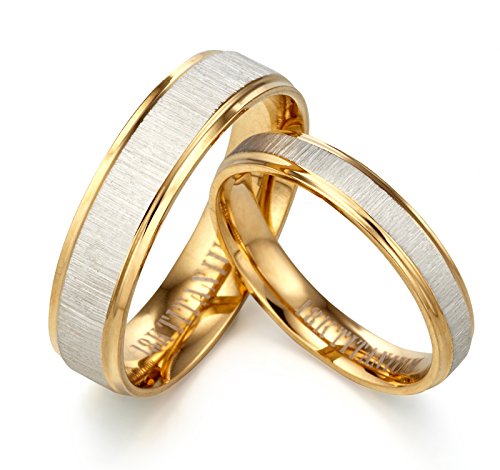
❤❤❤ FREE ENGRAVE: Max 30 Letters each

White and Blue Cz White IP 2pc Ring sets For Women And White IP Tungsten Carbide Matching Wedding Bands For Men. Perfect Couples Rings.Paved with aaa+ clear sparkling cubic zirconia stones.Every zircon is inlaid and won't fall off.hypo-allergenic, never- green
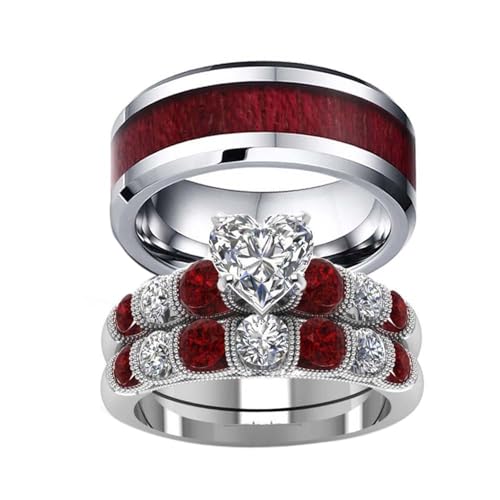
MEN'S RING: 8mm wide Tungsten Carbide wedding band.Mens Sizes AVAILABLE: 8 9 10 11 12 13
7. Follow Me

The follow-me pose works because it borrows a trick from travel photography that has been circulating for the better part of a decade. One partner reaches back, hand open, and the other takes it as they walk forward, with the photographer catching them from behind or tracking alongside. What separates the memorable frames from the forgettable ones is whether the couple actually moves. A stride that is too short or a glance back at the camera turns the shot into a stage direction, and the viewer feels it immediately. The genuine versions tend to happen when the pair has somewhere to go, even if that somewhere is just the next patch of light down a path. The hand lead creates a natural asymmetry that flatters without needing anyone to hold a fixed expression. I have seen this fall apart when the leading partner grips too hard and the arm goes stiff; the fix is a loose finger hold, more invitation than tug. For timing, the photographer needs burst mode, since the third or fourth step usually lands cleaner than the first.
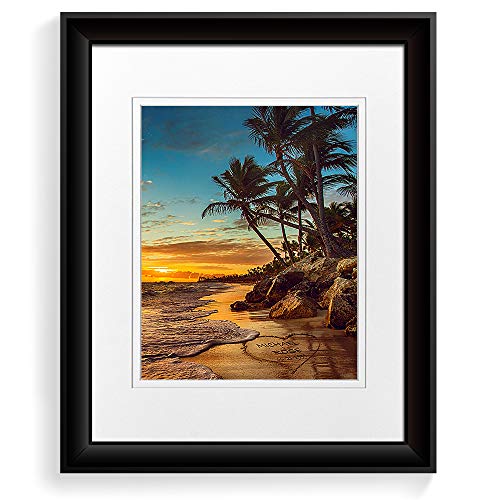
Personalization is digitally drawn by the photographer for a realistic look.100% made in the USA Personalized keepsake for Weddings, Anniversaries, Bridal Showers, Family...
8. The Lift and Laugh

A lifted pose only works if the person being lifted is genuinely comfortable, and that comfort starts long before the dress goes on. The sources agree on this: practice the lift in regular clothes, not wedding attire, and keep the hold brief. A few seconds is enough for the photographer to catch real laughter; holding it turns smiles into strain.
Dress weight matters more than most couples expect. A full skirt with built-in crinoline or a long train changes how the lifter balances and where their hands can safely go. One source notes that the groom should pick the bride up over his shoulder and run, which sounds playful, but that kind of movement risks a torn hem or a slipped grip on satin. I would skip the running unless the couple has already accepted that the dress might need cleaning.
Timing shapes the result. This pose works best after the couple has loosened up, not during the first formal portrait set. The stumble-walk prompt, where partners pretend they cannot walk straight, uses the same principle: movement breaks tension and produces natural expressions. Reserve the lift for the carefree portion of the session, when the couple is already laughing and the photographer is ready to shoot fast.

WOMEN'S RING: White Gold Filled blue cz heart shaped cut 2 pieces wedding engagement ring set.Womens Sizes AVAILABLE: 6 7 8 13 MEN'S RING: 8mm wide Tungsten Carbide wedding...
9. The First Look

The first look has become the single most requested pose to come along this decade, and I understand why couples keep asking for it. You carve out fifteen quiet minutes before the ceremony, usually in a garden corner or a hallway with good window light, and see each other dressed while no one else watches. Photographers set this up as a semi-posed moment, then step back. They capture the initial reaction without interfering, which means the laugh or the caught breath is real, not performed for a crowd.
Most couples who choose it report less anxiety walking down the aisle afterward. The jitters get spent in private, and by the time the processional starts, the shock of seeing each other has already happened. That emotional release is why the shot works; it is not replicable later.
Still, some skip it entirely. The tradition of seeing each other for the first time at the altar matters more to them than the photo, or they simply do not want to break the flow of the day with a scheduled pause. Either choice holds. The first look is a tool for nerves and for images, not a requirement for a valid wedding.
10. The Selfie

The selfie a couple takes together mid-reception reads differently than anything the photographer delivers. Arms-length framing, slightly off-center composition, the phone screen sometimes catching light in the corner; these marks make it documentation rather than portraiture, and that distinction is exactly why it works.
Photographers who rank well on this know when to step back. During speeches, while guests are laughing at a toast or wiping away something sentimental, the couple might slip out a phone for a quick shot together. The professional keeps eyes on the room’s reactions rather than crowding that private moment. Same during the quiet lulls: a drink reception where guests are mingling, nothing formal scheduled, the couple ducking aside for thirty seconds.
What comes back from these are the images the couple remembers taking, not the ones they forgot. The candids that surface most often in final edits are rarely the ones where the photographer was invisible; sometimes they are the ones where the photographer was simply absent, letting the couple produce their own evidence of the day.
Two ways to play this: ask your photographer explicitly to watch for these pockets and retreat, or simply trust that a good one already reads the room for when to oblige guest requests and when to let the couple handle themselves. The first wins if you want insurance; the second works fine with photographers who treat the reception as social interaction rather than extended portrait session.
11. The Forehead Rest

The forehead rest is one of those poses that looks effortless in the final frame but requires a specific kind of stillness from both of you. You stand close, foreheads touching, eyes either closed or gazing down toward your hands or the ground between you. Your bodies stay near enough that a sheet of paper wouldn’t slide through. What reads as quiet intimacy on camera is actually a moment of shared breathing; you’re feeling each other’s warmth while the photographer works around you.
This pose earns its keep in situations where dramatic shots fall apart. Tight getting-ready rooms, dimly lit chapels, crowded reception corners where there’s nowhere to step back. The photographer can shoot it from the front, from either side, or slightly above without needing clearance for equipment or wide angles. Low light actually flatters this one, since the close proximity means faces catch whatever light is available and shadows read as mood rather than mistake. I’ve seen this save portrait sessions when rain pushed everything indoors and the backup space had all the charm of a storage closet.
12. The Incognito

A veil thrown up in front of the couple turns an ordinary portrait into something the viewer leans toward rather than simply sees. The fabric diffuses light, softens edges, and leaves just enough visible to prove two people wait behind it. I have watched photographers drape cathedral-length tulle over both faces, shoot through the mesh, or let the wind carry the edge across one eye. Each variation produces a different mood, but the mechanics stay the same: partial concealment creates curiosity the full reveal never does.
Tall grass or a handheld fan works on the same principle. The couple stands in waist-high meadow growth, and only their clasped hands or the line of a shoulder clear the top of the frame. A painted silk fan held at cheek level leaves the groom’s eyes in shadow while the bride’s smile shows. The key is choosing material that moves rather than blocks. Stiff card stock reads as a wall; chiffon, reeds, or the translucent layer of a veil read as invitation. The setting matters less than the texture, though outdoor locations with natural movement in the air make the shot easier to hold without looking staged.
13. The Modern Portrait

The modern portrait strips away the draped curtains and painted backdrops that dominated studio wedding photography for decades. What remains is the couple, two people in clean lines, facing the lens directly rather than gazing off at some imagined horizon. This style needs a wall, a door, or open sky behind you, nothing that competes for attention.
I noticed the shift most clearly when comparing galleries from a barn wedding and a downtown loft ceremony. The barn shots kept fighting the environment: exposed beams and string lights kept pulling my eye away from the couple’s faces. The loft, with its concrete and white drywall, let the pair own the frame completely.
Direct gaze changes the emotional contract of the image. Traditional portraiture invites the viewer to observe a private moment; the modern portrait returns the look, which reads as confidence rather than performance. That directness can feel exposed, so it suits couples who already photograph comfortably together.
Lighting matters more here than in busier compositions, since there is nowhere for errors to hide. Soft overcast or a single large diffused source flatters without drama. Harsh midday sun will carve shadows you cannot crop out, and a cluttered venue defeats the entire purpose.
14. The Get Away

The best exit shots need planning more than they need luck. A sparkler line looks effortless in the album only because someone lined guests up early, handed out the sparklers, and lit them in sequence so the couple walked through actual light rather than a few scattered flames. The same goes for a car door shot: the vehicle needs to be in place, the driver ready, and the photographer positioned where the couple’s faces are visible for that half-second before they pull away.
Walking off hand in hand is simpler but still benefits from choreography. Guests should know to stay put, not follow, so the frame stays clean. Thirty seconds of stillness from everyone behind you is usually enough for the photographer to capture the motion without crowd noise bleeding into the moment.
Music matters here too. A recessional or exit song played at the right beat gives the couple a tempo to match and the photographer a cue that the action is starting. The last image in the album should feel like an ending, not an afterthought.
15. The Sparkler Sendoff

Sparkler sendoffs look magical in the album, but the logistics decide whether you get one usable frame or twenty. Two sparklers per guest is the number that keeps the tunnel bright enough for the photographer to shoot at a reasonable shutter speed without pushing ISO into grain territory. Standard wedding sparklers burn about a minute, which sounds generous until you watch a nervous bridal party fumble with lighters for forty-five seconds. Assign one sober groomsman to patrol the line with a barbecue lighter, and start lighting from the far end so the first guests aren’t waving ash by the time the couple reaches them.
The dress and hair question is not paranoia. A trailing veil or loose updo passes through thirty small open flames; one guest who angles their sparkler inward instead of up turns that passage into a real hazard. I position the line with guests holding sparklers overhead in a V, not a true tunnel, which keeps heat and embers above head level and gives the couple a clear walkway. The photographer belongs at the narrow end of that V, backlit by the sparklers so the couple emerges from light rather than walking into shadow. I have seen photographers try to shoot from the side for a profile silhouette, and the result is always a dim couple with bright distractions behind them. The shot works when the light sources frame the subjects and the camera faces them directly.
Wind kills this setup faster than rain. An evening breeze off a lake or through an open venue turns sparklers into uneven torches that flare and die unpredictably. Check the direction, and if guests must face into wind to create the tunnel, reverse the exit so their backs take the gust instead of their sparklers.
Candid Moments Between Poses

The best wedding photos bride and groom receive often arrive when nobody called for them. While the photographer swaps a 35mm for an 85mm or repositions a light stand, the couple exhales, shares a glance, or mouths a private joke about the uncle who just photobombed the formals. These in-between seconds are the ones couples return to most, not because they are technically perfect but because they contain the day as it actually felt.
A photographer who manufactures these moments produces something else entirely. The ones who actually capture them do two things: they keep the camera up and ready during every transition, and they build enough familiarity during the earlier posed work that the couple forgets to perform. By the time the light is right and the lens is changed, the bride and groom have stopped bracing for the shutter and returned to each other.
If you want these images, tell your photographer explicitly. Most will already watch for them, but stating it confirms the priority. The candids you love most will be the ones you never noticed being taken.
Golden Hour Timing

The hour before sunset gives skin a warmth that midday light simply erases. Shadows soften, depth returns to faces, and the low sun acts like a built-in reflector you could never afford to rent. I build every timeline backward from this window, not forward from the ceremony. If sunset hits at 7:45 p.m., I mark 6:45–7:30 p.m. as untouchable couple time and let everything else compress or stretch around it.
That means cocktail hour sometimes gets trimmed, or the first look moves earlier than the couple expected. One August wedding in Gainesville, a thunderstorm rolled in at 6:15 and killed the golden hour entirely. We had already shot close-up portraits earlier in the afternoon while hair and makeup held, so we pivoted to silhouettes against the gray sky and flash-lit dancing shots after dinner. The couple got two distinct looks instead of one.
Weather and venue constraints will move this window. A venue with western tree cover loses the light twenty minutes sooner than the forecast claims. Summer ceremonies in Florida can push sunset past 8:30 p.m., which risks guests waiting too long for entrance photos. The call I make: protect twenty minutes minimum, even if it means stepping out between courses.
Keeping Posed Shots Brief

A directed portrait session with the couple runs about twenty to thirty minutes before shoulders drop and smiles turn mechanical. That window shrinks if the day has already been long, or if one of you is in heels on uneven ground. I watch for the jaw tightening, the laugh that reaches the mouth but not the eyes, and I call the break right then, not after one more shot.
The photographers I trust treat this time as a breather from the day’s pace, not a performance. They keep the posed portion brief and shoot around you while you settle back into yourselves, newly married and actually alone for the first time since the ceremony. Some couples swear they want no posed shots at all, but leave that section blank on the questionnaire and, almost always, they ask for a few anyway. The giggly ones, like Eve and Dan, give the best material because the pose cracks open and something real spills through.
If the light is right, I might pull you out for ten minutes during golden hour, between courses or just after the meal. That late-day window lasts roughly forty-five minutes in summer, low and warm, and it is worth stepping away from the party for. The fill-flash balances the sun behind you, and you get one set of images that look nothing like the midday formals.
Meaningful Locations for Portraits

The bench where the proposal happened, or the family property where the couple spent childhood summers, carries more weight than any imported archway. During walkthroughs, I scout the venue’s least-visited corners with the couple in tow. The loading dock with peeling paint, the overgrown garden path behind the maintenance shed, the stairwell with the single window at 3 p.m. — these spots hold something the grand ballroom cannot. The obvious backdrop is rarely the best one because it carries no history. A photographer can light a blank wall beautifully, but a blank wall stays blank in the album. The corner where the groom’s grandfather used to smoke a pipe after dinner, even if the light is trickier, gives the couple something to look at each other about. I ask couples to walk me through their first date, their proposal, the place they realized this was permanent. Those coordinates become the map. The work is slower, the framing more deliberate, and the result outlasts the trend cycle by decades.
Frequently Asked Questions
What are some must-have wedding photo poses for bride and groom?
The wrap and kiss, the chase, the lean and kiss, the vignette, Old Hollywood, the peek, follow me, and the lift and laugh all belong in a solid set. These poses give you range from still intimacy to movement, and from classic glamour to playful candor.
How can I make my wedding photos more personal?
Build in unscripted moments between formal poses, and ask your photographer to stay ready during transitions. The glances and private jokes that happen while equipment changes are the images couples return to most.
When is the best time for couple portraits?
The hour before sunset, called golden hour, gives skin warmth and soft shadows that midday erases. Schedule close-up portraits earlier, before hair and makeup shift, and save the more playful or adventurous poses for when the light turns golden.